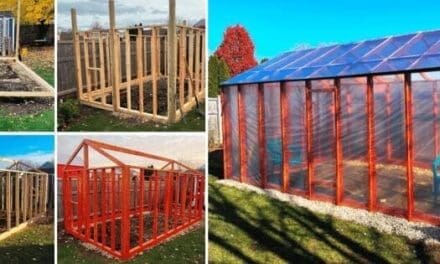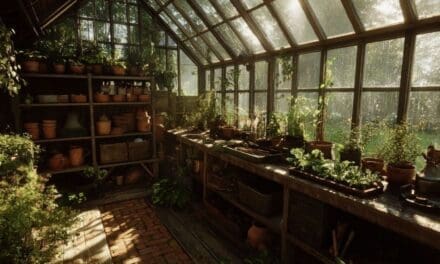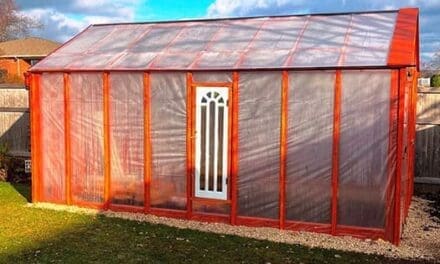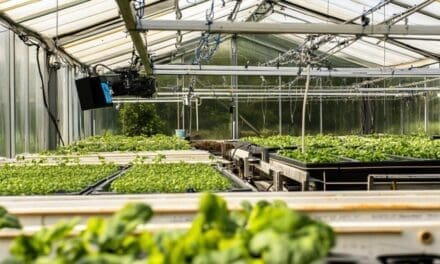
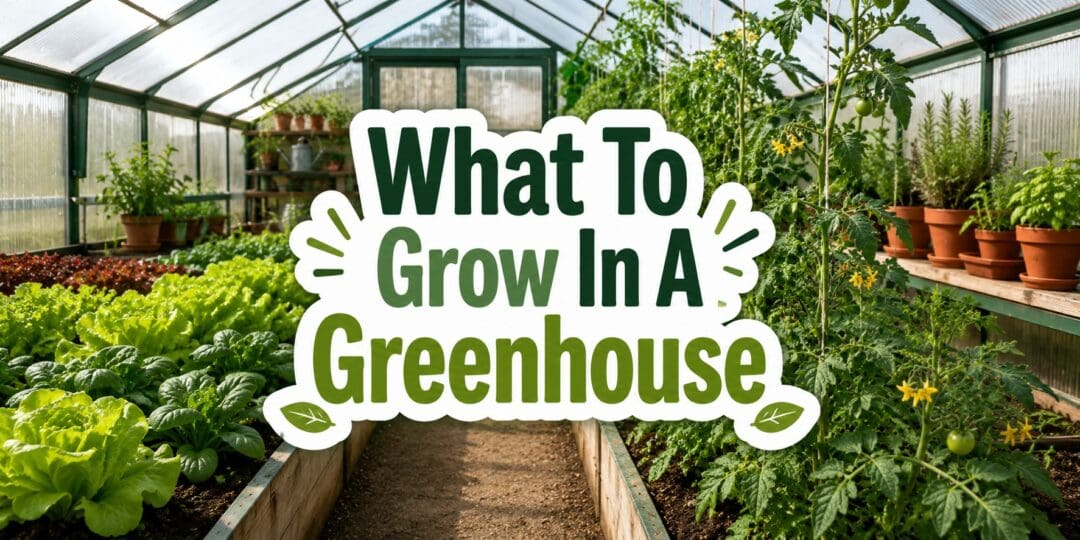
A greenhouse changes what is possible on a homestead in ways that a good outdoor garden never quite can. You are no longer entirely at the mercy of your last frost date, your summer heat spikes, or the unpredictable shoulder seasons that can kill a late planting or freeze out an early one. With a greenhouse, you set the terms. The question is knowing how to use that advantage well.
The answer to what to grow in a greenhouse depends on more than a list of crops. It depends on whether your structure is heated or unheated, which season you are trying to fill, how much light your greenhouse receives, and what your homestead actually needs most from the space. A greenhouse that produces salad greens through winter while starting seedlings for spring is a different tool than one being used for summer tomatoes and cucumbers in a short-season climate.
This guide organizes greenhouse crops by their temperature requirements and seasonal role, covers the specific management considerations that differ between greenhouse and outdoor growing, and addresses what not to grow in a greenhouse as clearly as what to grow. The Penn State Extension resource on extending the garden season with high tunnels confirms what experienced greenhouse growers already know: matching your crop selection to your structure’s capabilities is the foundation of consistent production.
Understanding Your Greenhouse Before Choosing What to Grow
The single most important factor in greenhouse crop selection is temperature control. A heated greenhouse and an unheated greenhouse are fundamentally different tools, and treating them identically is the most common planning mistake homesteaders make with a new structure.
Heated Greenhouses
A heated greenhouse that maintains night temperatures above 50 degrees Fahrenheit opens up the full spectrum of year-round production, including warm-season crops like tomatoes, peppers, cucumbers, and eggplant through the coldest months. The tradeoff is energy cost, which can be significant depending on your climate zone, the size of the structure, and the insulation quality of the covering material.
If you are heating a greenhouse, double-wall polycarbonate panels are dramatically more efficient than single-layer polyethylene film. The University of Utah State Extension documents the R-value difference clearly: single-layer poly has an R-value of approximately 0.85, while double-wall polycarbonate reaches around 1.4 to 2.0. In a heated structure, insulation pays for itself in reduced fuel costs, often within a single winter season.
Unheated Greenhouses
An unheated greenhouse is still substantially warmer than the outdoor environment because the covering material traps solar heat during the day. On a sunny winter day, even a simple unheated structure can be 20 to 30 degrees Fahrenheit warmer inside than outside. For cold-hardy crops, this passive heat gain is often sufficient for year-round production in zones 5 through 9. As Gardener’s Path notes, zones 4 to 7 can realistically produce crops year-round in an unheated greenhouse with careful crop selection, though the coldest nights may require fleece row cover inside the structure for additional protection on the most sensitive plants.
In zones 1 through 3, an unheated greenhouse extends the season significantly but genuine winter production of edible crops requires supplemental heat. Cold-hardy greens may survive, but active growth slows or stops entirely in deep winter without supplemental warmth.
The Light Factor
Temperature is only half the equation. Winter light levels in northern latitudes drop too low for warm-season crops to produce meaningfully, even in a heated greenhouse, unless you supplement with grow lights. Tomatoes, peppers, and cucumbers started in December in a zone 5 greenhouse need artificial lighting to reach productive maturity. Cool-season crops like spinach, kale, and lettuce can manage on lower winter light levels and are far better candidates for unlit winter production.
The practical implication: if you are not investing in supplemental lighting, align your winter crop selection with low-light tolerant species. Reserve your warm-season crops for the spring-through-fall window when natural light is adequate even inside the structure.
Warm-Season Crops: What to Grow in a Heated Greenhouse or Summer Structure
Warm-season crops are the primary reason most homesteaders build a greenhouse. These are the plants that need heat, a long season, and protection from the erratic cold snaps that shorten outdoor growing windows in all but the mildest climates.
Tomatoes
Tomatoes are the definitive greenhouse crop and for good reason. They need consistently warm soil, long days, and protection from the cool nights and late frosts that curtail outdoor production in most of North America. In a greenhouse, you can start tomatoes six to eight weeks before your last frost date, transplant them into the greenhouse while outdoor conditions are still too cold, and extend your harvest by weeks or months into autumn when outdoor plants have long since given up.
Choose indeterminate varieties for greenhouse growing. Determinate varieties set all their fruit at once and stop growing, which is fine outdoors but wastes the full-season potential of a greenhouse. Indeterminate varieties keep producing as long as conditions are right. Train them vertically on strings or stakes, prune to a single leader, and remove suckers regularly to control the plant and improve air circulation.
Pollination in a greenhouse requires manual intervention since there are no wind or pollinating insects in a closed structure. Shake plants gently daily when flowering, or run a small fan that creates enough air movement to transfer pollen. An electric toothbrush touched briefly to each flower cluster is also highly effective for tomato pollination.
Cucumbers
Cucumbers are vigorous producers in a greenhouse environment and thrive in the warm temperatures and humidity that a summer greenhouse naturally provides. For greenhouse use, look for parthenocarpic varieties, which set fruit without pollination. Standard cucumbers require insect pollination; parthenocarpic varieties bypass this requirement entirely, producing seedless fruits without any intervention. Johnny’s Selected Seeds specifically identifies parthenocarpic greenhouse cucumbers as ideal for protected culture for this reason.
Train cucumbers vertically on a trellis or on vertical strings from overhead wires. Left to sprawl, they quickly take over floor space. Pinch the growing tip once the plant reaches the top of its support to encourage lateral branching and continued fruit production. Watch for spider mites, which thrive in warm dry conditions and can defoliate a cucumber plant rapidly.
Peppers
Peppers are slower than tomatoes but extremely well suited to greenhouse production. They need sustained warmth from germination through harvest and in most climates never get the full season they need when grown outdoors. In a greenhouse, peppers produce prolifically from late spring through autumn and can even be kept as perennial plants year to year if the structure stays frost-free.
Both sweet bell peppers and hot varieties do equally well in greenhouse conditions. They are slightly more heat-tolerant than tomatoes and can handle daytime temperatures up to 90 degrees Fahrenheit without significant stress, though blossom drop can occur at sustained high temperatures above that. Keep soil consistently moist as peppers are sensitive to irregular watering, which can cause blossom end rot similar to tomatoes.
Eggplant
Eggplant is a warm-season crop that receives less attention than tomatoes or peppers in greenhouse guides but performs equally well under the same conditions. It needs a constant temperature of at least 70 degrees Fahrenheit for good germination and consistent warmth throughout its growing period. Dengarden’s greenhouse growing overview highlights eggplant as a particularly good greenhouse candidate precisely because it needs more season than most North American climates can reliably provide. Beyond the standard American varieties, a greenhouse makes it practical to grow specialty types including Italian, Japanese, and white varieties that are rarely available commercially.
Melons
Melons are possible in a large greenhouse and worth attempting for homesteaders who want to grow something unusual. They need significant space, consistent heat, and hand pollination of the flowers. The reward is homegrown cantaloupe or watermelon weeks ahead of when outdoor crops would be ready. Support developing fruits in slings made of netting or old nylons tied to overhead supports to prevent the weight from breaking the vine. This is a space-intensive crop best suited to larger structures where you can afford the floor footprint.
Cool-Season Crops: The Backbone of Year-Round Greenhouse Production
Cool-season crops are the most underutilized category in homestead greenhouses. While most growers focus on warm-season production, the cool-season crops are what keep a greenhouse productive from autumn through early spring, require the least energy input, and provide the most consistent returns from an unheated or minimally heated structure.
Lettuce and Salad Greens
Lettuce is arguably the single best crop for a greenhouse in terms of return on space, ease of management, and year-round demand. It germinates quickly, matures in four to eight weeks depending on variety and season, can be harvested as cut-and-come-again for weeks before needing replacement, and thrives in the cool temperatures of a winter greenhouse where warm-season crops would struggle. Lost Coast Plant Therapy’s greenhouse growing guide identifies cool-season leafy greens as the backbone of winter and early spring greenhouse growing for exactly these reasons.
Succession plant lettuce every two to three weeks so you have a continuous supply rather than a glut followed by a gap. Sow directly into trays or beds, thin to the appropriate spacing, and begin harvesting outer leaves once plants are established. For winter growing in an unheated or minimally heated greenhouse, choose cold-tolerant varieties: Winter Density, Arctic King, Merveille des Quatre Saisons, and Winter Marvel are all reliable performers at low temperatures.
Spinach
Spinach is one of the most cold-hardy edible crops available, tolerating temperatures down to 20 degrees Fahrenheit with some variety selection. In a greenhouse, spinach produces through conditions that would destroy most other crops. It grows best when temperatures stay between 35 and 75 degrees Fahrenheit, making it perfect for the shoulder seasons and for winter production in a structure that stays above hard freezing temperatures.
Sow directly where it is to grow, as spinach does not transplant well. Keep soil consistently moist and harvest outer leaves as they reach full size. Spinach bolts when temperatures warm and day length increases in late spring, so plan to transition your spinach beds to warm-season crops around the same time you move tomatoes and peppers into the greenhouse.
Kale and Chard
Kale is almost indestructible in a greenhouse environment. It handles cold better than nearly any other productive vegetable, can be harvested almost continuously from the outside leaves, and provides nutritional density that lettuce and spinach do not match in terms of calories and vitamins. Swiss chard handles slightly warmer conditions than kale and bridges the gap between the cool and warm seasons.
Both crops can be started from seed in late summer and will produce through winter and into spring before bolting. In a heated greenhouse, they produce year-round. A single planting of kale in a well-managed greenhouse can be harvested for six months or more before the plant becomes woody and needs replacement.
Asian Greens
Pac choi, mizuna, tatsoi, and other Asian brassica greens are fast-growing, cold-tolerant, and highly productive in greenhouse conditions. They mature in as little as three to four weeks for baby greens and six to eight weeks for full heads. They are particularly well-suited to intensive growing in trays or shallow containers, allowing you to maximize production in limited greenhouse space. Many varieties have attractive foliage and can be grown as a cut-and-come-again crop.
Radishes
Radishes are the fastest food crop available to a greenhouse grower. Certain varieties mature in as little as three to four weeks from seeding, making them an excellent gap-filler between longer-season crops. They need very little space per plant and can be sown in a single row at the edge of a bed being used for another crop. They prefer cool temperatures and will become hot and pithy if harvested late or grown in excessive heat.
Carrots
Carrots are slower than most greenhouse crops but rewarding in a structure where you have deep enough beds or containers. They need at least eight to ten inches of loose, rock-free soil for proper root development. Greenhouse carrots seeded in autumn will be ready to harvest in late winter or early spring, filling the gap between stored root crops and the first outdoor spring harvest. Choose shorter varieties like Chantenay or Nantes types if your bed depth is limited.
Herbs: A High-Value Use of Greenhouse Space
Herbs deserve more space in most homestead greenhouses than they typically receive. They are among the highest-value crops per square foot in terms of both culinary and potential medicinal use, they grow well in containers that can be repositioned as needed, and they take up relatively little floor space compared to sprawling vegetable crops.
Basil
Basil is a warm-season herb that suffers as soon as temperatures drop below 50 degrees Fahrenheit, making outdoor growing in most climates a strictly summer affair. In a heated greenhouse, basil can be grown year-round. It needs strong light and warm temperatures, prefers to be watered at the base rather than overhead, and should be pinched regularly to prevent flowering and encourage bushy productive growth. Grow multiple varieties including Italian large-leaf, Thai, and lemon basil for a range of flavors that would be difficult or expensive to source commercially through winter.
Parsley and Cilantro
Both parsley and cilantro are cool-season herbs that do well in a greenhouse through autumn and winter. Parsley is biennial and can be kept productive for two seasons in a greenhouse environment. Cilantro bolts quickly in warm conditions, so time your sowings for the cooler months when the greenhouse temperature stays below 75 degrees Fahrenheit during the day. Succession sow cilantro every few weeks to maintain a continuous supply, as a single planting will be harvested and bolted within a month under good growing conditions.
Chives, Thyme, Rosemary, and Sage
These perennial herbs thrive in a greenhouse and provide fresh harvests through seasons when outdoor plants are dormant or covered in snow. Thyme and rosemary prefer well-drained, slightly dry conditions with good airflow, which prevents the humid stagnant conditions that promote root rot. Grow them in terracotta pots that allow moisture to evaporate through the pot wall. Sage and chives are both reliable producers in greenhouse conditions with minimal management requirements. All four herbs can be moved back outdoors in summer to free up greenhouse space for warm-season vegetable crops.
Mint
Mint is one of the most productive herbs for greenhouse growing, particularly through winter when fresh mint is difficult to source. Grow it in containers rather than directly in beds, as it spreads aggressively through runners and will take over any neighboring plants given the opportunity. Peppermint, spearmint, and lemon balm, a close relative in the same family, all perform well in greenhouse conditions and provide a continuous supply of fresh material for teas, cooking, and herbal preparations.
Fruit Crops Worth Trying in a Greenhouse
Fruit crops require more space, more management, and more patience than vegetables and herbs, but for a homesteader with a larger greenhouse they represent some of the most rewarding production possible.
Strawberries
Strawberries are one of the best fruit crops for a greenhouse. They are compact, productive in containers or grow bags, and benefit significantly from the protected environment. A greenhouse provides earlier flowering and earlier fruit set than outdoor plants, protects the fruit from the birds and rain that cause rot in outdoor production, and extends the season in both directions. Plant in autumn for a late winter or early spring harvest, or plant in early spring for summer production when outdoor berries face the most competition from pests and weather. Alpine varieties are particularly well-suited to container production in a greenhouse.
Dwarf Citrus
A dwarf lemon, lime, or orange tree in a frost-free greenhouse is one of the most satisfying long-term investments a homesteader can make in a greenhouse space. Citrus trees need frost protection, warmth, and good light, all of which a greenhouse provides. They are slow to produce, typically needing three or more years from a young grafted tree before bearing significant fruit, but once established they produce prolifically for decades. A Meyer lemon in a container is the most commonly recommended starting point, as it is the most adaptable citrus variety to container culture and among the most cold-tolerant of the citrus family.
Figs
Fig trees grown in containers can be overwintered in a frost-free greenhouse and moved outdoors in summer, allowing fig production in zones where outdoor fig culture would not be possible. The greenhouse protects the developing fruit from late spring frosts that can wipe out a fig crop in cold climates. Varieties with good cold tolerance such as Chicago Hardy and Brown Turkey are the most practical for container culture in a homestead greenhouse.
What Not to Grow in a Greenhouse
Understanding what works poorly in a greenhouse is as useful as knowing what works well. Several crops are not well-suited to greenhouse production for reasons ranging from space efficiency to pollination requirements.
- Corn: Corn is pollinated by wind, and greenhouse corn produces almost nothing without it. It also grows too tall for most structures and requires block planting for cross-pollination. Leave corn to the outdoor garden.
- Pumpkins and large squash: These are simply too large and sprawling for efficient greenhouse use. They require significant floor space for minimal caloric return compared to tomatoes or cucumbers. Small-fruited squash or zucchini can work in a large greenhouse, but standard pumpkins are a poor choice.
- Brassicas in summer heat: Broccoli, cauliflower, and cabbage need cool conditions and will bolt, fail to head, or produce bitter, unusable crops if grown in a warm summer greenhouse. These are outdoor spring and fall crops. Using greenhouse space to grow brassicas in summer is an inefficient use of a heated microclimate.
- Perennial asparagus: Asparagus needs a cold dormancy period to perform well the following season. A greenhouse that stays above freezing year-round denies asparagus this requirement, and the plants decline in productivity over time. Grow asparagus outdoors where it gets the natural cold dormancy it needs.
- Root crops in shallow beds: Parsnips, beets, and longer carrot varieties need deep, loose soil that many greenhouse beds and containers cannot provide. If your greenhouse beds are less than eight inches deep, skip the root crops or choose specifically short-rooted varieties.
Essential Greenhouse Management for Productive Crops
Knowing what to grow is only part of the equation. Greenhouse management determines whether your chosen crops actually produce or struggle and fail.
Ventilation Is Non-Negotiable
The most consistent finding in hobby greenhouse research is that more plants die from heat than from cold. A closed greenhouse on a sunny day when outdoor temperatures are only 55 degrees Fahrenheit can reach 100 degrees Fahrenheit or more inside by midday. Research published through the University of Georgia Extension greenhouse management program confirms that sustained temperatures above 95 degrees Fahrenheit cause tomato pollen to become non-viable, and temperatures above 104 degrees Fahrenheit halt fruit set almost entirely.
Every greenhouse needs a thermostat-controlled exhaust fan that activates when the internal temperature exceeds a set threshold, typically 75 to 80 degrees Fahrenheit in spring and autumn and 85 degrees Fahrenheit in summer. Passive vents at ridge height supplement fan ventilation and reduce energy costs. Opening doors on opposite ends of the structure creates cross-ventilation for the periods when you are present to manage it. Do not rely on manually operated vents as your only cooling strategy. An unexpected warm day when you are away from the homestead can kill an entire crop.
Hand Pollination of Fruiting Crops
Tomatoes, peppers, and cucumbers rely on wind or insect movement to transfer pollen in an outdoor setting. Inside a greenhouse, neither is reliably present. For tomatoes and peppers, which are self-pollinating, you can assist pollination by gently shaking the plant or its supports daily during flowering, or by running a small circulation fan that creates enough airflow to vibrate the flowers. An electric toothbrush or battery-powered pollinator wand touched briefly to each flower cluster is the most effective manual method.
For cucumbers, the simplest solution is choosing parthenocarpic varieties that set fruit without pollination. For squash or melons, manual transfer of pollen from male flowers to female flowers using a small paintbrush or cotton swab is required. Male flowers appear first and do not have a small fruit forming at their base. Female flowers have a miniature fruit visible at the base of the flower before it even opens.
Pest and Disease Management
The warm, humid environment of a greenhouse is ideal for many of the same pests and diseases that affect outdoor crops, but with the added complication that beneficial predatory insects are largely absent. Aphids, whiteflies, spider mites, and fungus gnats are the most common greenhouse pests. The most effective management approach for a homestead greenhouse combines physical monitoring, which means actually looking at the undersides of leaves regularly, with biological controls such as introducing beneficial insects like lacewings or predatory mites, and cultural practices including good airflow, avoiding overhead watering, and removing plant debris promptly.
Powdery mildew is the most common fungal disease in greenhouse environments and is directly promoted by high humidity with limited airflow. Good ventilation is the most effective prevention. If powdery mildew appears, a dilute solution of baking soda and water or a dilute potassium bicarbonate spray can manage early infestations. Remove and dispose of heavily infected foliage rather than composting it inside the greenhouse.
Watering and Soil Management
Greenhouse plants do not receive natural rainfall and watering is entirely your responsibility. The most common watering error in greenhouse growing is inconsistency. Tomatoes that receive irregular water develop blossom end rot. Peppers that dry out between waterings drop blossoms. Lettuce that is allowed to dry out bolts prematurely.
Drip irrigation or soaker hoses at the base of plants solve most of these problems and have the additional benefit of keeping foliage dry, which reduces disease pressure significantly. Hand watering from above wets leaves and promotes fungal problems in the warm, humid greenhouse environment. If you hand water, do so in the morning so foliage has time to dry before temperatures drop in the evening.
Crop Rotation in the Greenhouse
Because a greenhouse is a closed environment that is used intensively, soil-borne diseases and nutrient depletion can build up more rapidly than in an outdoor garden with larger growing areas. Rotate crop families between different beds or sections of the greenhouse in the same way you would rotate crops outdoors. Avoid growing tomatoes in the same soil two years in a row, as tomato-specific diseases including Fusarium and Verticillium wilt can accumulate and significantly reduce yields. The University of Minnesota Extension’s deep winter greenhouse research recommends refreshing greenhouse soil annually by incorporating compost and rotating heavy feeders like tomatoes to sections that have rested under leafy greens or legumes.
Planning a Year-Round Greenhouse Calendar
The most productive homestead greenhouses operate on a planned seasonal rotation that keeps the structure in use throughout the year without gaps in production. Here is a practical framework for a four-season greenhouse in a temperate climate.
Late Winter and Early Spring (January to March)
This is seed-starting season. Use the greenhouse to start tomatoes, peppers, eggplant, basil, and other warm-season crops eight to ten weeks before your last outdoor frost date. Meanwhile, cool-season greens planted in autumn are producing through the shortest, coldest part of the year. Lettuce, spinach, kale, and Asian greens are at their most productive in the greenhouse during this period outdoors. As daylight increases, growth accelerates noticeably.
Spring (April to May)
Tomatoes, peppers, and cucumbers started in late winter are transplanted into their final positions in the greenhouse beds or large containers. Cool-season crops begin bolting as temperatures warm and should be cleared to make room. Start successions of basil and warm-season herbs. Strawberries potted up in autumn are producing fruit. The greenhouse transitions rapidly from a cool-season operation to a warm-season one during this period.
Summer (June to August)
Full warm-season production. Tomatoes, cucumbers, peppers, eggplant, and basil are all in full production. The primary management challenge is heat control through ventilation. Keep doors, vents, and fans working to prevent temperatures from exceeding 90 degrees Fahrenheit for extended periods. Harvest frequently to encourage continuous production. Start cool-season crop seedlings in trays in late summer, around six to eight weeks before your first expected autumn frost.
Autumn and Winter (September to December)
Remove spent warm-season crops as they finish and transition to cool-season production. Transplant kale, lettuce, spinach, and Asian greens started in late summer. Direct sow radishes, arugula, and other fast-maturing greens. In a heated greenhouse, start a new round of tomatoes in late autumn for late winter production if you have supplemental lighting. In an unheated greenhouse, focus entirely on cold-hardy crops and protect the most tender ones with row cover inside the structure on the coldest nights.
Take Your Homestead Skills to the Next Level
A productive greenhouse is just one part of a truly self-sufficient lifestyle. The real advantage comes from combining smart growing techniques with practical, time-tested homesteading knowledge.
The Amish Ways Book shows you how to:
- Grow more food with simple, proven methods
- Preserve your harvest for year-round use
- Build a more resilient and self-reliant homestead
- Reduce waste while making the most of every season
If you’re serious about producing more of your own food, these traditional Amish techniques can help you get even more from your land, greenhouse, and garden.
Summary: Making the Most of Your Greenhouse Space
A greenhouse is one of the highest-return investments on a productive homestead, but only if the space is actively managed to its potential. The crops that deliver the most consistent value across most homestead situations are the cool-season leafy greens that produce through winter with minimal inputs, the warm-season fruiting crops that extend the productive season in both directions, and the herbs that provide year-round fresh material for both kitchen and health applications.
Start with what you actually use. If your homestead consumes a lot of fresh tomatoes, prioritize greenhouse space for early and late-season tomato production. If fresh salad greens through winter are the gap you most want to fill, orient your cool-season planning toward that. A greenhouse that produces the crops your homestead actually needs is always more valuable than one that grows impressive quantities of things that go to waste.
Build your rotation around your structure’s capabilities, invest in ventilation before anything else, and match your crop selection to the season and temperature conditions you can actually provide. That practical alignment between what you grow and what your greenhouse can support is what separates a productive year-round operation from a structure that sits half-empty for six months of the year.
You may also like:
Make Sure To Join The Facebook Group For Valuable Advice You Won’t Find Anywhere Else
The Herbs You Need to Keep Close During Dark Times (Video)
How Big a Greenhouse Do I Need?
What Is a Freestanding Greenhouse? Everything You Need to Know