Fire is one of the main elements that keep a homestead alive. It offers heat, purifies your water, and cooks your food. Most people rely on matches or lighters, but in a real emergency, there’s only so long until you run out of those.
Understanding unconventional fire-starting methods is a must for any survivalist, and while the classic methods, such as the bow drill or flint and steel, are always useful, knowing what other things you can use to start a fire would give you a huge advantage. The smartest approach is to know how to use things that you already have in your house.
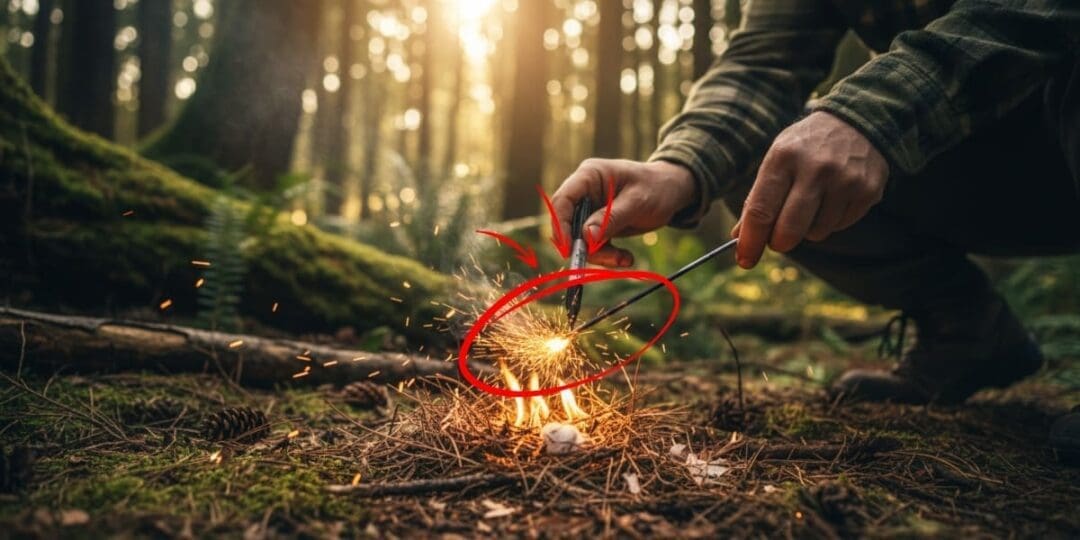
A Sharpie marker is a perfect tool you can use to start a fire when you need it the most, below I’ll reveal why it’s better than tinder.
Why a Sharpie Actually Burns
This marker itself isn’t designed to burn, but its components are highly flammable. Understanding why this happens helps you identify other useful materials in emergencies.
The marker contains alcohol-based ink. This is a solvent that catches fire immediately and soaks into the internal fiber core. If you have a Sharpie near you, open it up and see what it looks like inside. This spongy thing it has inside can act like a wick, similar to a candle or oil lamp. The barrel is made of a type of plastic called polypropylene, which will perfectly sustain flame once ignited. The felt tip also contains flammable materials.
When you expose these components to flame, the ink-soaked fibers ignite first. The alcohol residue accelerates the burning. Once the flame is started, the “wick” sustains the flame while the plastic exterior gradually melts and catches on fire, extending burn time.
When This Method Makes Sense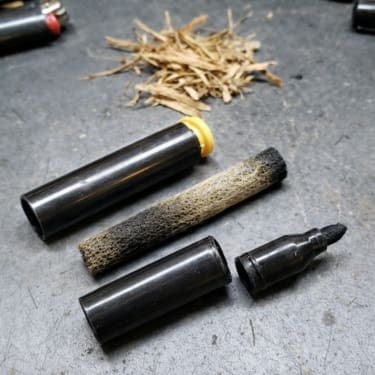
Keep in mind that this isn’t a primary fire-starting technique, and you should use it only when your usual methods fail.
For example, when it rains, paper and dry grass become useless. A Sharpie’s plastic housing protects the internal materials from moisture better than most natural tinder. The marker can sit in a wet pack for days and still function as a fire starter because the sealed components stay relatively dry.
Another context in which the Sharpie trick will work is if you need to light a fire while in strong winds. A burning marker produces a more sustained flame that’s harder to extinguish, giving you time to transfer fire to larger materials.
How to Use a Sharpie as Emergency Tinder
Burning plastics and chemicals requires proper precautions and should only be done outdoors in controlled conditions.
Clear a fire-safe area with at least 10 feet of bare ground or rock surrounding your fire location. Remove all dry debris, leaves, and grass beyond your immediate fire ring. Have water or dirt immediately available for extinguishing. Check local fire regulations and burn bans before starting any fire.
The marker extends the life of the flame, like a wax-dipped fire starter or fatwood stick. You need an external ignition source like a lighter, matches, or a ferro rod to start it. Once ignited, the marker burns longer than a match, giving you extended time to establish your kindling.
Burning plastic produces toxic fumes. Stay upwind of the smoke and avoid direct inhalation. This is one reason why this method is strictly outdoor-only. The fumes from burning polypropylene and ink solvents include various hydrocarbons that are harmful with prolonged exposure.
Now, starting a fire is one thing, while keeping it going with wet wood, green branches, or damp conditions is another. Anyone who’s tried burning freshly fallen sticks knows they smoke, sputter, and barely produce heat. In prolonged rain or snow, finding dry fuel becomes nearly impossible, and that’s when people freeze or go without hot food for days despite having a strong fire-starting kit.
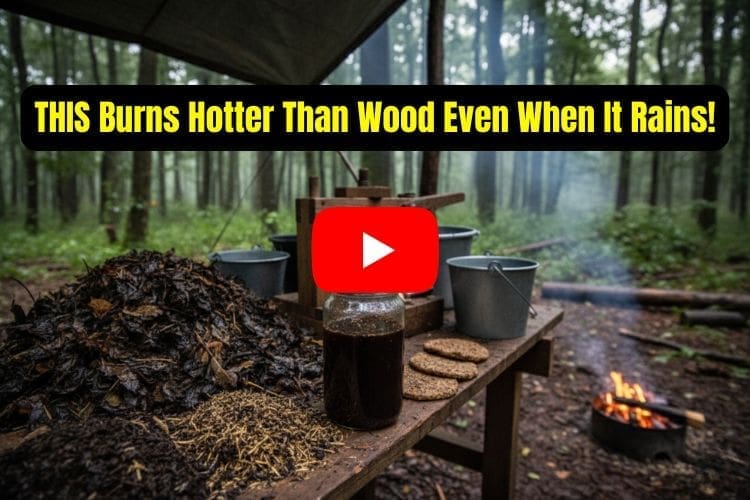
👉 Make Fuel That Burns Even When Everything’s Soaked
The video below shows you how to turn fallen leaves and manure into biofuel that ignites easily and burns hotter than most wood, even when stored through wet seasons.
Burn Time and What Burns Best Paired With a Sharpie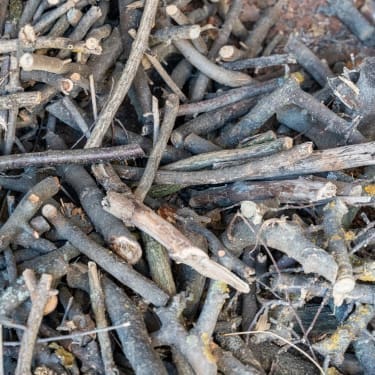
A Sharpie burns for approximately 3-5 minutes, depending on conditions and how much of it you’re burning. This is significantly longer than a match (20-30 seconds) but shorter than a commercial fire starter stick (10-15 minutes).
This extended burn time allows you to add kindling without rushing. With a match, you have one shot, and if you don’t have a more efficient way to start the fire, the Sharpie might save you.
To get a decent flame you can use for your survival, dry twigs pencil-thickness or smaller are perfect as your first kindling layer. Pine needles in dry climates create excellent secondary tinder that bridges the gap between marker flame and solid wood kindling.
If you have any traditional fire-starting materials, combine them. Cotton balls, even without petroleum jelly, ignite readily from a marker flame. Fatwood splinters catch quickly and burn hot. Birch bark strips work well if available.
Fire Safety Rules
- Regulatory awareness: Check local burn bans and fire restrictions before lighting any outdoor fire. Many rural areas implement seasonal bans during dry months. Violating these is illegal and can result in fines or liability for wildfire damage.
- Never use indoors: Burning plastic produces carbon monoxide and toxic fumes. Indoor use can cause poisoning even with windows open. This method is for outdoor emergency use only.
- Complete extinguishment: Drown fires with water, stir the ashes, and drown again. Feel for heat with your hand before leaving. Buried embers can reignite hours later, especially in organic soil or near roots. This is how wildfires start from “dead” campfires.
- Liability: On a homestead, you’re responsible for fire spread to neighboring properties. One escaped fire can result in lawsuits and create criminal liability. Treat every fire as potentially dangerous, regardless of how small it starts.
Other Alternatives That Might Help 
This Sharpie marker method can be incredibly useful, but there are some alternatives out there that I think you should consider. Relying on the Sharpie as your primary fire starter is not the best idea, so it’s better to be prepared and be aware of all the information that might help you when you need it the most.
Cotton balls with petroleum jelly: One cotton ball soaked in petroleum jelly burns for 3-4 minutes with a clean, hot flame. They’re waterproof when stored in a sealed container, lightweight, and produce minimal smoke or fumes. Make a batch of 50 in ten minutes and keep them in your vehicle, barn, and pack.
Fatwood sticks: These resin-saturated pine wood pieces ignite easily and burn hot even when damp. They’re natural, produce fewer concerning fumes than plastic, and work well in wet conditions. You can keep small pieces in your emergency kit.
Wax-dipped sawdust or wood shavings: Sawdust compressed into paper cups and covered with melted wax creates fire starters that burn 8-10 minutes.
Commercial fire starter cubes: These petroleum-based or wax-based cubes burn for 10-15 minutes and work in any weather. Keep a box in your truck and another in your emergency supplies.
Char cloth: Traditional fire-starting material made by charring cotton fabric in a low-oxygen environment. It catches sparks easily and burns long enough to transfer to tinder. Making this will need some preparation, but it works exceptionally well with ferro rods, so it might come in handy if you want to create an almost perfect combo.
Here’s What Nobody Tells You About Fire Starting
Knowing ten different fire-starting methods means nothing if you can’t sustain yourself once that fire is lit. A Sharpie can start a fire. Cotton balls can start a fire. But what happens on day three when your emergency supplies run out and you’re still miles away from help?
What Happens After the Fire Burns Out
Fire is just the beginning. You need a shelter that doesn’t collapse in the wind. Water sources that won’t make you sick. Wild foods you can actually identify and eat safely. Medical knowledge when someone gets injured and help is days away. Most survival situations don’t end after one night, but stretch into days or weeks. That’s when people who only learned fire-starting realize they’re completely unprepared for everything that comes after.
What Kept Someone Alive for 57 Days With Almost Nothing
Dr. Nicole Apelian survived 57 days alone on Vancouver Island with almost nothing and she documented every skill that kept her alive. Her Wilderness Long-Term Survival Guide goes far beyond fire starting. It covers the forgotten skills our ancestors used to actually live in the wilderness: the only three shelters you’ll ever need, how to recognize edible plants without poisoning yourself, traps that catch food while you sleep, the exact trees to tap for water and medicine, and survival strategies for encounters with dangerous animals.
The guide includes detailed illustrations, plant identification photos, animal track guides, and step-by-step instructions for building everything from scratch. Click here to get your copy and make sure you’re prepared for more than just starting a fire.
Frequently Asked Questions
- Will a dried-out Sharpie still work for fire starting?
Absolutely! Even dried markers retain flammable residue in the fiber core, and the plastic housing still burns. The main difference is that a dried marker may take slightly longer to establish an initial flame.
- Can you use other marker brands besides Sharpie?
Any alcohol-based permanent marker with a fiber core works similarly. Brands like Expo, Crayola permanent markers, or generic permanent markers all contain comparable flammable components. Avoid water-based or dry-erase markers because they will never start a fire.
- Can you reuse a partially burned Sharpie?
Not really. Once the plastic housing is compromised and the fiber core is partially consumed, the marker loses structural integrity and won’t burn as you expect it to. Treat each marker as single-use when you want to start a fire.
You may also like: 
How to Make a Dakota Fire Hole That Burns Without Smoke
The Easiest Method to Build an Off-Grid Stone Grill Oven
Tinderbread: The Fireproof Biscuit That Lasts Forever
You Never Thought You Can Hide These In Plain Sight
How to Cook a Full Meal Without Gas, Electricity, or Fire