You probably wash your hands after using the bathroom or handling trash. But there are other everyday items collecting much more dangerous bacteria! I’m talking about things you touch constantly without a second thought.
Some harbor more germs than a toilet seat. Others create a direct path from contaminated surfaces to your mouth. Most people handle them dozens of times daily and never wash their hands afterward. Here’s what you need to know.
Raw Meat
Everyone knows raw chicken carries bacteria. But it’s not the meat itself that causes most foodborne illnesses. Everything the meat touches instantly starts carrying bacteria. This is the main way it spreads.
That cutting board you washed but didn’t sanitize. The knife you left on the counter for “just a minute.” The faucet handle you turned with your contaminated hands. The dish towel you used to dry your hands. Each one of these things becomes a superhighway for germs straight to your next meal.
Wild game requires even more care than meat from the supermarket. If you or someone you know is a hunter, venison, rabbit, or wild turkey can be full of parasites and bacteria that domesticated animals don’t have. Field dressing means you’re exposed to intestinal contents, which brings E. coli, Salmonella, intestinal parasites and other not-so-fun stuff into play.
Quick cleanup routine after handling raw meat:
- Spray diluted bleach solution (1 tablespoon bleach per quart of water) on every surface the meat touched
- Don’t forget faucet handles, drawer pulls, and the edge of the sink
- Wipe everything down thoroughly
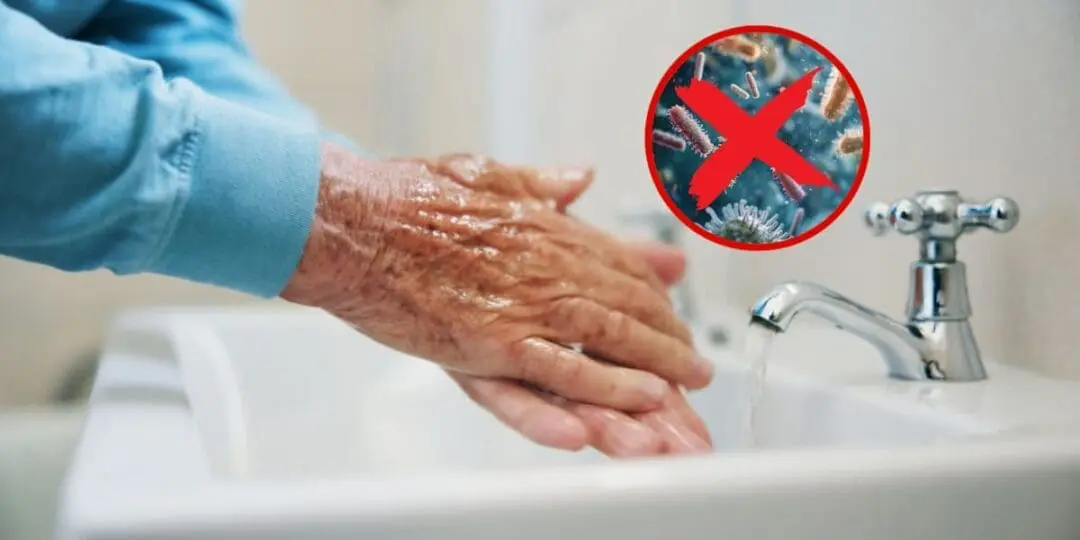
- Wash your hands with soap for a full 30 seconds before touching anything else
- Change your dish towel immediately after cleanup
This two-minute habit stops bacteria from spreading across your entire kitchen and potentially making you and your family sick.
But no matter how careful you are when you’re cleaning, sometimes you might end up with a parasite problem anyway. And unlike bacteria killed by cooking, parasites are more persistent. They don’t always show symptoms right away. By the time you notice unexplained fatigue, digestive issues, or feeling run down for no clear reason, they’ve been there for a while.
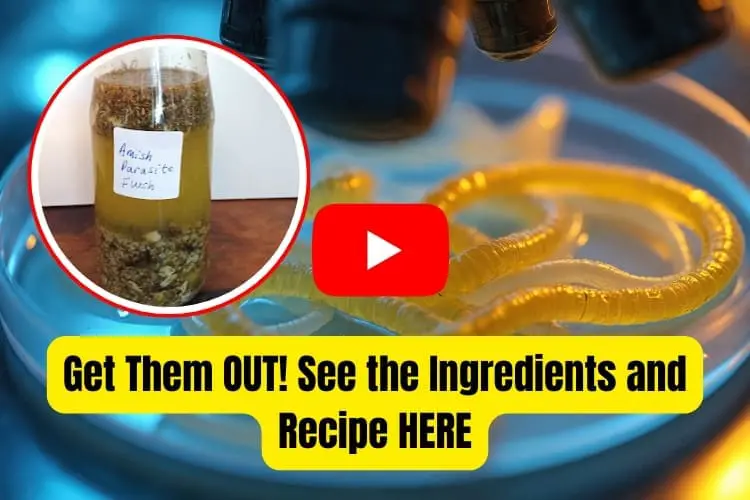
Homesteaders have known this for generations, which is why traditional remedies for parasite flushes have stayed in use. A simple tincture made from plants you can grow, or forage, supports your body’s natural defenses against these parasites.
Watch this video to learn how to make your own parasite flush tincture using ingredients available to you right now.
Compost
Compost makes great garden soil, but that incredible ability to fertilize comes from billions of microorganisms breaking down organic matter. Be aware that not all of them are friendly.
E.coli can survive in compost for months. Salmonella thrives in warm, moist environments. Aspergillus mold releases spores that trigger respiratory problems, especially if you have asthma or allergies.
When you turn your compost, you’re releasing clouds of invisible spores. You breathe them in. They settle on your skin and clothes. Some folks develop “compost lung” from inhaling these spores repeatedly.
So, if you don’t want to get a mysterious rash that doesn’t heal after you’ve tried everything, you’d better wash your hands after handling compost.
Firewood
If you heat your home with wood, you’re handling fungal spores, insect droppings, and bacteria multiple times a day. Tree fungi thrive on decomposing wood. Dust and contaminants accumulate in the crevices easily.
You carry logs inside, adjust the damper, throw another log on the fire, then head to the kitchen to start dinner without washing your hands once.
👉 How to Build Your Own Smokehouse in Less Than a Day
Punky, soft wood that’s been sitting in damp spots is the worst. White fungal growth means high spore counts. Even properly seasoned hardwood picks up dust and particles during storage.
Your Phone
You scroll through your phone at the grocery store, then set it on the checkout counter. You browse recipes while cooking, then pick it up with greasy hands. You check messages in a public restroom, then grab your phone on the way out.
Your phone lands on restaurant tables, gas station counters, gym benches, and bathroom sinks. It gets tossed on kitchen counters and bedside tables. It’s rarely cleaned, yet you touch it hundreds of times a day.
But here’s what makes your phone worse than almost anything else you own: you press it against your face. Every germ it picked up from every surface, every door handle, every public counter and all of it ends up on your cheek, jaw, and mouth!
Quick cleaning: Once a day, wipe your phone screen and case with an alcohol wipe or a microfiber cloth lightly dampened with rubbing alcohol. It takes 15 seconds and protects you from potentially harmful bacteria.
Fresh eggs
Fresh eggs seem wholesome, but eggshells are porous and can carry bacteria from the moment they’re laid.
Nesting boxes collect droppings, dirty straw, and dust. Salmonella can contaminate egg exteriors and sometimes get inside the shell.
The transfer happens fast: collect eggs, carry the basket inside, set it on the counter, then grab a snack from the fridge. Your hands touched eggshells, then the basket handle, then the door handle, then your food.
Smart practice:
- Use a dedicated basket for eggs that never touches kitchen counters;
- Wash your hands immediately after collecting eggs;
- If you buy farm-fresh eggs, wash your hands after handling them.
Steering wheel
There is a high chance you drive your car almost every day. These frequent trips addcontaminate your steering wheel.
Think about what touches it: hands after pumping gas, sweaty palms after yard work, fingers that just handled money.
The problem gets worse if you eat or drink in your car. That coffee you grabbed with unwashed hands becomes a direct route for bacteria to get into your body.
Money
Cash is basically a bacterial sponge. Paper money absorbs oils, sweat, and germs from every person who’s touched it. Metal coins can keep bacteria alive for days.
One dollar bill might have been handled by someone with a cold, touched by a cashier who just ate lunch, stuffed in a pocket with car keys, dropped on a gas station floor, and ran through a vending machine before it reached you.
👉 Build ANY Shed in a Weekend (No Wood Experience Required)
At farmers markets and farm supply stores, the problem multiplies. People handle produce and tools, dig through bins, then pull out cash to pay. That money can easily picks up E. coli, Salmonella, and other dangerous bacteria on top of everything else.
The 30-Second Handwashing Routine
Here’s what you need to do to keep your hands clean:
- Wet your hands with warm running water (5 seconds): Warm water loosens oils and grime better than cold.
- Apply soap and lather for 20 seconds: Scrub everywhere: palms, backs of hands, between fingers, under nails, knuckles, and webbing between fingers. Most people rush this part or skip spots entirely.
- Rinse well (10 seconds): Don’t leave soap residue, especially if your hands are already rough.
- Dry completely with a clean towel (5 seconds): Damp hands spread bacteria more easily.
- For cracked skin: Rough hands trap bacteria in cracks and calluses. These spots need extra attention. Use a heavy-duty ointment after washing to protect compromised skin and prevent cracks from getting worse or even infected.
When Basic Hygiene Isn’t Enough
Sometimes infections happen despite your best efforts. A cut gets infected. A scratch becomes inflamed. You need medical attention, but what if you can’t get to a doctor right away or the cost is too high?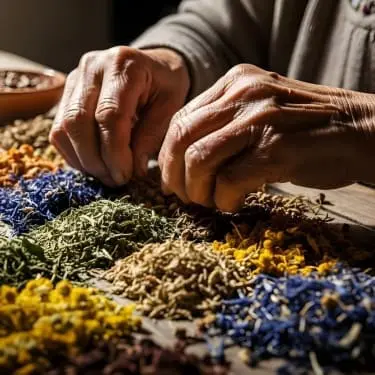
More and more people are preparing for these situations at home. One of the smartest moves is starting a medicinal seed kit. Growing your own antibacterial herbs gives you a natural first-line defense when minor wounds or infections strike. Seeds store for years and cost a fraction of pharmacy prices.
Essential antibacterial herbs to grow:
- Evening Primrose (anti-inflammatory and supports skin healing);
- Feverfew (reduces inflammation and fights infection);
- Calendula (wound healing and infection prevention);
- Yarrow (stops bleeding and fights infection).
A well-stocked medicinal seed kit means you’re never more than a growing season away from your own pharmacy. These herbs grow easily in most climates and produce year after year. You can make tinctures, salves, and teas that handle minor infections, cuts, and skin problems without a visit to the doctor.
👉 Click here to get the high-quality seeds you need to start your own kit.
FAQ
Do I really need to wash my hands if I wore gloves?
Yes. Gloves reduce direct contact but don’t eliminate it. You still touch your wrists, forearms, and face while working. When removing gloves, bacteria can transfer to your hands. Gloves also tear or develop microscopic holes without you noticing. Always wash your hands after glove removal, especially after handling raw meat, compost, or sick animals.
Is hand sanitizer enough after handling compost or raw meat?
Not really. Hand sanitizer works for light contamination, but it doesn’t remove physical debris. Compost particles and meat residue need actual washing. Sanitizers also don’t kill bacterial spores found in compost. Use it when you’re in a pinch, but don’t skip proper handwashing.
Can I use vinegar instead of bleach for cleaning up after raw meat?
No. Vinegar isn’t strong enough to kill Salmonella and E. coli on contact. For raw meat cleanup, stick with diluted bleach solution (1 tablespoon per quart of water) or EPA-approved disinfectants.
You may also like: 
Medicines Every Homesteader Should Stockpile
You Will Never Run Out Of Medicine If You Grow This (Video)
Home Cleaning Mistakes That Can Cost You Your Health
How To Start Your Own Apothecary in a Small Space
Canned Beets: A Long-Lasting Source of Nutrition and Wellness