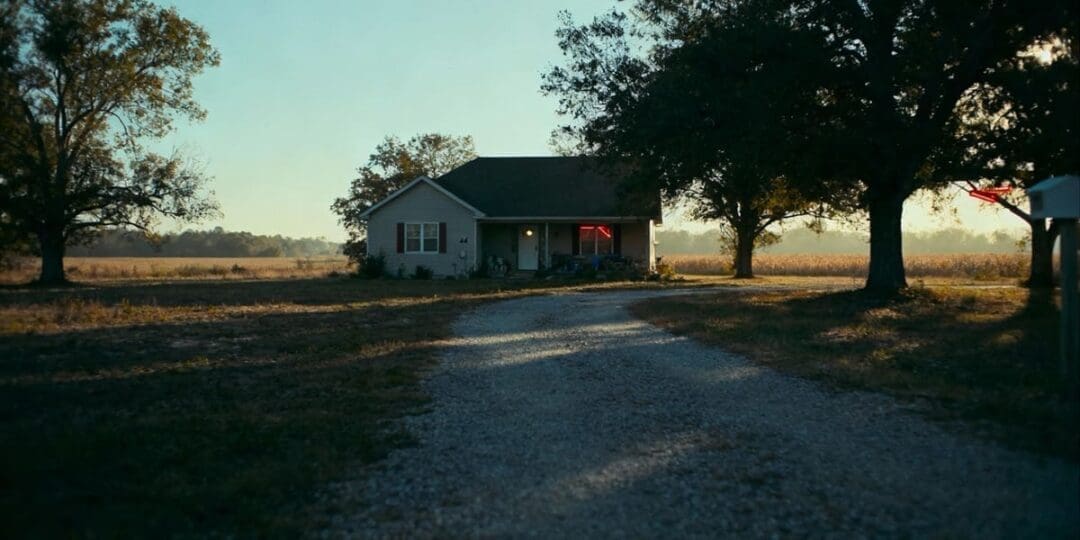
The appeal of living in the country is the assumption that life will be simpler and less complicated. That’s true to some degree, but what many learn quickly is that some things actually can get more complicated and far from simple.
Most of these factors are driven by the remote location of a house in the country. That’s the root cause leading to higher costs, more time spent doing some of the simplest things, and increased maintenance. Let’s start with the most obvious.
Distance
There’s a good possibility that a home in the country is some distance from the nearest town. That means that common tasks like buying groceries, getting a prescription filled at a pharmacy, and other regular errands are going to involve a road trip to varying degrees. Depending on your needs, this could result in up to a 30 minute to one hour round trip. That’s going to increase your gasoline costs, vehicle maintenance and if there’s only one grocery store in town without any competition -higher food prices.
The obvious solution that most people pursue is to combine errands into one, long road trip. Stores and services tend to be concentrated in certain areas and once in that area it’s easier to hit more than one destination.
But there are other things people rarely think about. For instance, what if you have children or grandchildren? Education becomes a problem and you have to rely on homeschooling options since it would be completely impractical for children to travel long distances to go to school.
Related: My First Plant Book Teaches Children All They Need To Know About Nature
Delays in Emergency Services
Police, fire stations, ambulance services, hospitals, doctors, and dentists are also going to be some distance away to varying degrees. The result is that emergency services will take time to reach you. That can be devastating if you have a medical emergency or your house is on fire.
And as for those routine dental checkups and annual physicals, figure you’re in for another one hour road trip or more. Many rural areas have small, local clinics that are multi-purpose offering both medical and dental services. That can simplify some things.
In many cases, you rely on the knowledge you and your family gathered in time. That’s why resources like the Home Doctor Book should not be missing from your library.
Lack of Municipal Services
Most homes in the country have a septic tank. They require regular maintenance and sometimes repair. Another municipal service that’s lacking out in the country is municipal water. Wells are typically the water source of choice, and they also require maintenance, repair and sometimes replacement. They can also require water treatments like water softeners and even in-line water filters. Now you have the added cost of water softener salt and replacement filters.
Natural gas is another unlikely municipal service out in the country with large propane tanks being the usual source for gas. Internet and cell-phone service can also be limited or even unavailable. There are satellite solutions but some of them can be expensive.
And let’s not forget about water. If your water source is compromised, you are in a world of trouble without a backup solution.
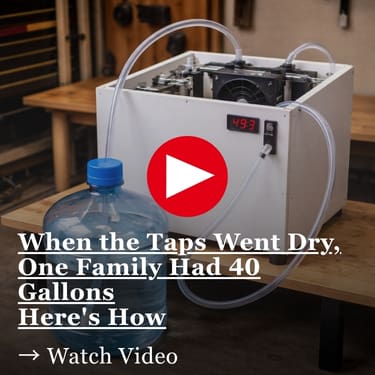
Now imagine having access to up to 50 gallons of clean water every single day—without relying on the grid. Sounds impressive, right? There’s a compact, backpack-sized device that makes this possible, even in extreme desert environments. It’s currently used by military units worldwide, and the best part? It pulls moisture straight from the air—no external power source or water supply needed.

For anyone serious about long-term water security, you might also want to check out something called The Water Freedom System. It’s been adopted by armed forces in countries like the U.S., UK, Israel, and India. It could be a game-changer for your preparedness plans. Take a closer look here.
Big Property Maintenance
Most homes in the country are surrounded by a significant amount of property. That could mean you’re mowing acres at a time. And as for that long nice, winding driveway leading to the road. You’ll need a snowplow or very large snowblower to keep it clear in winter.
Trees are another challenge with big property. There’s a good bet you’ll have your share of trees and storms and high winds can topple them into power lines, your house or outbuildings or parked cars. The only upside is you’ll have some more firewood assuming it didn’t damage a car or building. And you’ll also have plenty of leaves to rake in the fall. Most people buy a leaf blower.
Related: 8 Backyard Projects You Can Make on a Budget
 Tax and Insurance Impacts
Larger properties with significant acreage have higher real estate tax rates. A lot depends on where you live but acreage is one of the drivers of tax rates. Insurance rates can also be higher given the non-existence of fire hydrants, distance from fire stations and other emergency services, and the age and condition of home and other structures. Many homes in the country tend to be older and that affects insurance rates.
Wildlife
This isn’t about squirrels, rabbits and chipmunks. This is about coyotes, bears, wolves and snakes. Here again, this depends a lot on location but remote areas out in the country have no shortage of wildlife.
It’s going to require some thought about fencing, protecting pets, and making sure kids are aware of the risks. Even something as seemingly harmless as a deer can ravage a garden or if you hit one while driving, total a car.
Related: The Best Guardian Animals for Your Homestead (Besides Dogs)
Rising Real Estate Costs
According to a recent Redfin study, rural communities are seeing median home prices increasing on an average of 61.5% up to 289,900 USD. All of this while median household incomes are only up 33.3%. It means that just living in the country starts off with significant costs before you consider all of the other factors.
To put it as simple as possible, if you want to completely move off-grid from an apartment or find yourself in a similar situation, the initial investment is going to be quite large. Remember that the dollar is not as strong as it used to be and we do not know if this is going to change. You can see a very good analysis of this situation in this book.
It Can Get Lonely Out There
Part of the attraction of living in the country is to get away from the crowds and congestion of cities and suburbs. The downside is that social interactions can become limited. People may certainly come to visit from time to time, especially if you have an attractive property out in the country. But those visits may be infrequent.
And then there’s winter. The odds of getting snowed in out in the country is always high. There’s always the option to interact with people via apps like Facetime or Zoom, but winter can be a very lonely time out the country. And internet can always go down.
The Upsides
There are certainly many upsides to a home in the country. One of the big ones is a certain degree of self-sufficiency.
- A large property will allow you to plant a significant vegetable garden and even an orchard.
- Firewood may be plentiful saving you some money on home heating bills.
- Timber on your property can be used to build furniture.
- Natural water sources can supplement your water supply.
- Hunting and fishing can also supplement your food supply.
- By necessity, it’s an active and healthy lifestyle.
- It’s a relaxing and calming environment.
Ultimately, it’s a personal choice. People who have grown up in the country know what lies ahead. But if you’ve never experienced all of the potential challenges of country life, stop and think if you can afford it and if you have the energy and determination to pursue it.
You may also like:
15+ Homesteading Projects You Can Downsize for Simplicity
How To Become Invisible In The Wild (Video)
How Big a Greenhouse Do I Need?
Homesteading Lessons I Learned from the Amish