

This is one of the biggest and funniest problems homeowners have year after year. They plant zucchini and then the harvest is so big that they have no idea what to do with it.
It happened to me, it happened to my neighbors, it happened to anyone that I know and has a garden. It’s a universal experience at this point.
So, I am writing this thinking that this also happened to you. Or, if you’re lucky and never had to deal with too much zucchini, after reading this you can be sure you are properly prepared.
I want to walk you through ten ways to use up and put away a zucchini glut, and not just the ones you have already heard a hundred times. A couple of these have nothing to do with eating it at all, and one of them is a food safety thing somebody had told me years ago.
Freeze It Grated for Winter Baking
This is among my favorites and also one of the easiest things from the list.
Wash your zucchini, then run it over the big holes of a box grater. You do not need to peel it.
Also, remember that zucchini is mostly water. This is why you never freeze zucchini without getting most of that water out. Squeeze the grated zucchini hard in a clean towel or a bit of cheesecloth and wring out as much liquid as you can.
Then create portions based on recipes you’re actually planning to make. I pack mine in two-cup portions because this is how I prepare my zucchini bread. Also, I always flatten the bags so they stack nicely in the freezer.
Don’t forget to label them with the date.
Freeze It in Slices or Chunks
If you would rather have zucchini for soups, stews, and skillet dinners, freeze it in slices or cubes instead of shreds.
For this one, you do want to blanch it first.
Cut your zucchini into half-inch slices, drop them in boiling water for three minutes, then scoop them straight into a bowl of ice water for about the same amount of time to stop the cooking. Drain them well, pack them into freezer bags with the air pushed out, and freeze.
Turn It Into Chips in the Dehydrator
Now here is one you might not have tried, and it turns a giant pile of squash into something you can keep on a pantry shelf.
Slice your zucchini into thin rounds, about an eighth of an inch, so they crisp up instead of staying chewy. A mandoline slicer is perfect for this and keeps them even.
Lay the rounds out in a single layer on your dehydrator trays, and make sure none of them overlap, or they will dry unevenly. Set the machine to around 125 to 135 degrees and let them go for five to ten hours, until they snap instead of bend.
Season them before they dry if you like. A little salt, some garlic powder, a dusting of parmesan. My family goes through these like potato chips, and they never once complain that they are eating vegetables.
Store the cooled chips in a jar with a tight lid, somewhere cool and dark, and check them the first couple of days. If they pick up any softness from the air, run them back through the dehydrator for an hour.
If you don’t have a dehydrator but you still want to try this method, I got you! 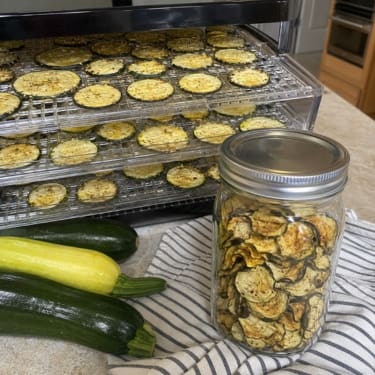
What you have to do is simple: build your own DIY dehydrator.
I know this sounds complicated, but it isn’t. All you need are some basic materials, 30 minutes, and a sunny afternoon.
This is a project that comes in handy for anyone living on a homestead because you can use it to dry any vegetable or fruit.
Also, if you are focused on living more self-sufficiently, this is perfect for you. Why? Because it uses no gas or electricity. Just the power of the sun.
Just imagine the delicious sun-dried tomatoes you can make with it!
👉 Click here and see the step-by-step instructions for the DIY dehydrator
Make a Powder
The same dehydrator gives you a second trick that is perfect for the winter.
This time you’ll dry the zucchini in small dices instead of chips. I say this because it’s easier to cut them into pieces and they also dry well.
Once everything is nice and dry, you throw a batch into a blender and grind them into a powder.
You can use this powder later to thicken soups or stews. You can even add it into bread dough. It’s a good way to add some extra nutrition to your day-to-day food.
One fun fact I discovered on my homesteading journey is that you can also turn meat into powder. When I first heard that, I wondered why someone would do that, but there are some solid advantages you might get from powdered meat.
First of all is one of the most efficient ways to preserve meat long-term. You can comfortably fit one pound of meat in a jar and you can put it in your pantry and not worry about it for a very long time. This means you no longer need a fridge or a freezer, but you’re still preserving meat and all of its nutrients.
Then, powdered meat is an amazing ingredient you can use in your food. For example, adding this to some mashed potatoes with gravy will turn your meal into one of the most delightful experiences you’ve ever had.
If you ever have a day when you don’t feel like cooking and your food turns out bland, add this and it will make things so much better.
The recipe is simple as long as you know what type of meat to use and how to prepare it.
If you want the full recipe and all of these details, you can find them nicely explained here.
Pickle It Into Relish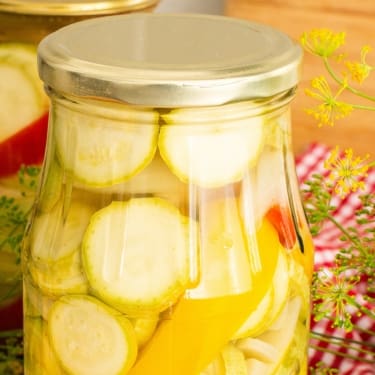
If you have never pickled zucchini, you are missing one of the best ways to put it up, and it lasts a good long while on the shelf.
Zucchini relish is my favorite. You shred or finely chop the squash with some onion and pepper, salt it and let it drain overnight, then cook it down with vinegar, sugar, and pickling spices before packing it into hot jars and processing them in a water bath.
The vinegar is what makes this safe to can, because it adds the acid that plain zucchini does not have on its own. I use my relish just like I would use pickle relish, on burgers, in potato salad, stirred into a batch of deviled eggs.
Stick to a tested recipe for the vinegar and salt amounts. Pickling is one of those places where you follow the numbers rather than eyeballing it, and I will explain exactly why in the next section.
The One Way You Can Safely Can Plain Zucchini
Here is the food safety thing I promised you, and it surprises a lot of people who have been canning for years.
You cannot safely can plain zucchini anymore. If you learned to do it from an old canning book or a recipe your grandmother passed down, I understand, because those instructions used to be printed in the USDA bulletins.
But the USDA pulled those recommendations, and here is the reason. Zucchini is a low-acid vegetable, and it gets so soft during canning that it packs down tight in the jar. When it packs that tight, the heat cannot move through it evenly, and you can end up with cold spots where the spores that cause botulism survive.
Nobody could back up the old processing times with solid testing, so the guidance got withdrawn. You can read more about it from the Michigan State University Extension.
So please freeze, dry, or pickle your extra squash instead.
But there is one exception worth knowing about. You can safely can a zucchini-pineapple recipe, where the pineapple juice adds enough acid to make the process safe. It comes out tasting like a sweet fruit, wonderful over yogurt or in a quick bread, and it is the one plain-squash canning recipe that has actually been tested.
And since we’re talking about canning, I want to share something with you. Since I started this homesteading life, canning has always been present. This is one of the most efficient ways you preserve your harvest and this is why it’s still so popular.
One thing is true: Canning will never die!
As you can see, knowing what can be canned and what cannot is a big part of this. But just knowing what to can safely is not enough to get good preserves.
The example above with the squash and the pineapple is an interesting one because it’s a strange combination that works amazingly. And there are many combinations like this one.
I’ve been canning all my life, but it’s always something new you can learn.
One of the best resources that helped me with my canning journey is The Amish Ways Book. Here you can find a lot of forgotten canning secrets, recipes, and Amish techniques.
I discovered it fairly recently, but I was truly impressed by the recipes I’ve found in it. There were things I’ve never heard of before.
This was a book I stumbled upon online many times, but each time I simply brushed it off until one day when I decided to look at the reviews. This one got my attention and “convinced” me to get the book. And I don’t regret it! The Amish canning wisdom helped me big time.

And I don’t regret it! The Amish canning wisdom helped me big time.
I managed to get a discount link for the readers of this blog, so if you also want to can your food like the Amish, you can get the book for a nice discount here:
theamishways.com/SelfSufficientProjectsDiscount
Feed It to Your Livestock
Not everything has to end up on your plate. This is why a well-planned homestead works like a self-sustaining system.
If you have some old zucchini that is very woody and full of seeds, you need to know that they are perfect for your livestock. They might be too tough for the kitchen, but your animals will not turn their noses up at them.
My chickens go after a split zucchini all day, pecking it clean, and it keeps them busy enough that they bother each other less. If you keep pigs, they will clean up a big one in no time. Goats and rabbits love them too.
Just split it open so they can get at the soft insides. It is free feed that would otherwise go to waste, and I hate wasting anything I grew.
Let It Feed Your Soil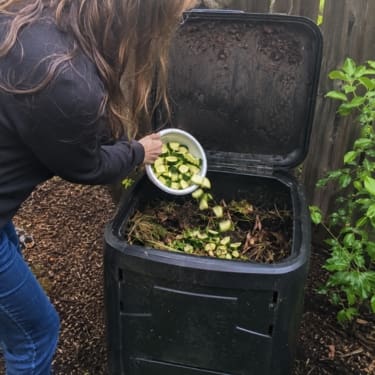
Whatever your animals do not eat can still earn its keep by going back into the ground.
Zucchini is so full of water that it breaks down fast in a compost pile and gives your garden a nice boost.
Chop the big ones up first. If you don’t do this, they will sit there soggy.
Also, if you keep a worm bin for your chickens, soft or overripe zucchini is good food for the worms too.
Also, one nice project I make with compost is using it for my straw bale garden. The funny thing is that I use the straw bale garden to grow exactly squash – and also cucumbers.
The advantages of a straw bale garden are huge: you don’t struggle with weeds, there are no soil diseases, and your crops will be protected from any ground pests such as slugs or other crawling insects.
You can see how to make this project work for your garden here.
Save the Seeds
Here is a use for that monster zucchini hiding under the leaves, the one you somehow missed until it was the size of your forearm.
If it came from an open-pollinated variety, not an F1 hybrid, you can save its seeds for next spring. Let it grow until the skin turns hard and dull, well past eating size, then cut it open, scoop out the seeds, rinse the pulp off them, and dry them fully on a plate for a couple of weeks before storing them somewhere cool and dark.
One thing to keep in mind: zucchini crosses easily with other summer squash growing nearby, so the seed will only come true if you keep that plant isolated.
This is a good way to stop buying seeds next year and also guarantees you’ll get the same zucchini.
If you want to see exactly how heirloom seeds work and how the Amish preserve them the right way, you can find more info here.
Pass It Along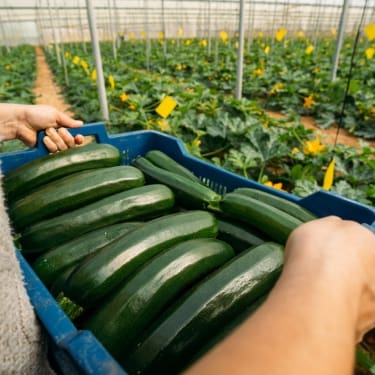
The old joke about locking your car doors in summer so the neighbors can’t sneak zucchini into the back seat is still relatable.
So, when there is no real use for your squash, the best thing to do is share it.
Drop some on a friend’s porch, bring a basket to church, set up a swap with a neighbor who is drowning in tomatoes while you are drowning in squash.
A farmers’ market table works too if you have got the time, and some folks will happily pay for good fresh zucchini.
Trading what you have too much of for something you are short on is an old tradition among homesteaders, and it builds the kind of neighbor network that comes in handy long after the zucchini is gone.
Final Thoughts
I know it might sound like a cliché, but what I like the most about zucchini season is that it teaches you how to be resourceful. People need repetition to form reflexes and I think this helped me to be more resourceful than ever. Also, being forced to do this every season taught me some really nice ways to preserve the zucchini.
I hope my ideas will help you. You will not use every single one of these ideas in one season, and that is fine. Pick two or three that fit how you cook and what you keep.
If you have any suggestions about what to do with zucchini, I’ll wait for them in the comments!
You may also like: 
The Secret Trick That Cuts Fruit Canning Time in Half
How to Fix a Stuck Zipper (Takes Less Than a Minute) (Video)
Canning Myths Debunked By The Amish
Home Canning Sausages for Maximum Shelf Life (10+ Years)
Canning Potatoes: A Self-Reliant Staple for Your Pantry





















Yep, every year… zucchini fest! Fortunately, our chickens love them. I suspend them with a string in the chicken coop; the girls pick at it like a boxers ‘speed bag’. It gives them something to do and its good food for them. Also, by suspending it off the ground the mice and chipmunks can’t reach it.
Nothing goes to waste with chickens!
This is actually a very good idea! Thank you for sharing it with us.