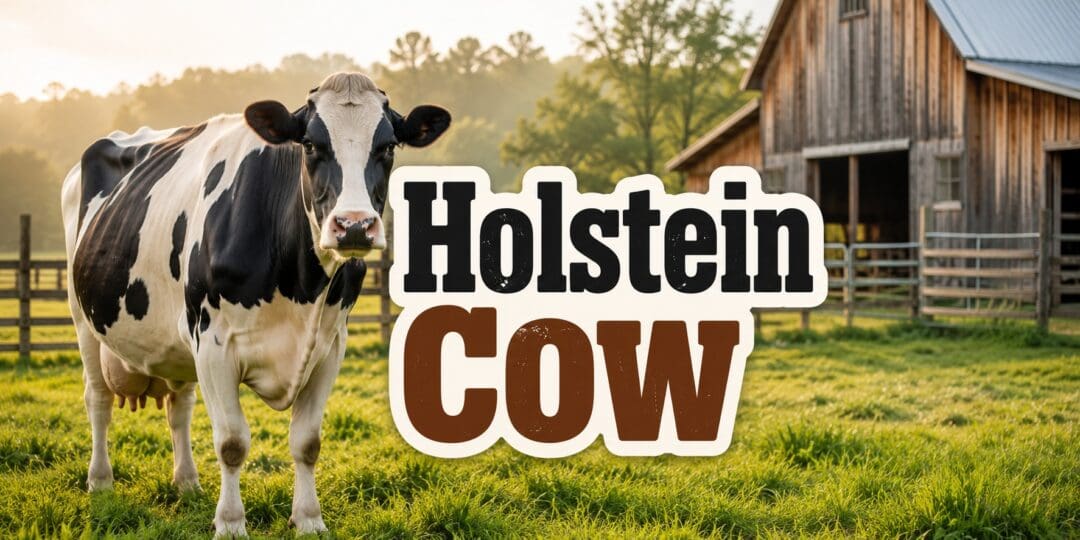
If you ask most people to picture a dairy cow, they picture a Holstein. That black-and-white spotted animal is the face of the dairy industry, and for good reason: no other breed on earth produces more milk. But the same traits that make Holsteins the obvious choice for a commercial dairy operation are exactly what make them a more complicated choice for a homestead. I want to walk through what I have learned about this breed, the good and the genuinely inconvenient, so you can decide if one belongs on your place.
Where the Holstein Comes From
The Holstein, sometimes called the Holstein-Friesian, traces back roughly 2,000 years to two tribes that settled the Rhine Delta region of what is now the Netherlands. The Batavians brought black cattle, the Friesians brought white cattle with colored patches, and centuries of interbreeding in that small, resource-limited region produced an animal bred hard for one thing: converting grass into as much milk as possible. According to the Holstein Friesian breed history, the breed did not become popular in the United States until after the Civil War, when the Industrial Revolution created real demand for a dairy cow that could feed growing cities at scale.
That history matters because it explains everything about the breed’s personality. Holsteins were not selected for hardiness on rough pasture, mothering ability, or a calm disposition around unfamiliar handlers. They were selected almost exclusively for milk volume, generation after generation, for longer than any other dairy breed alive today.
Physical Characteristics
You already know the look: a large-framed animal with the classic black-and-white pied coat, though a rarer red-and-white variety shows up from a recessive gene. They are big animals, and I mean genuinely big compared to other homestead-friendly dairy breeds.
- Mature cows weigh around 1,500 pounds and stand roughly 58 inches at the shoulder
- Calves are born large, typically 90 pounds or more, which is worth knowing if you are new to calving
- Heifers can be bred around 15 months at roughly 800 pounds, though most breeders wait until 21 to 24 months for first calving
- Gestation runs about nine and a half months, in line with cattle generally
Milk Production: The Real Selling Point
This is where the Holstein leaves every other dairy breed behind. Average U.S. Holsteins in official testing programs produce in the range of 17,000 to over 22,000 pounds of milk per lactation, which works out to roughly 2,500 to 2,800 gallons a year depending on the individual cow and her management. Compare that to a Jersey, which typically produces well under half that volume, and you can see why commercial dairies standardized on Holsteins decades ago. Milk fat runs lower than other breeds, generally around 3.7%, with protein around 3.1 to 3.2%, according to Holstein breed data from the Cattle Site. If you care about rich, high-cream milk for butter and cheese making, a Jersey or Guernsey will get you there faster with less total volume. If your goal is raw quantity, nothing touches a Holstein.
Here is the practical reality most homesteading guides skip: one Holstein in full lactation will produce more milk than almost any single family can use, even accounting for cheese, butter, yogurt, and feeding a calf or pig alongside her. This is worth sitting with before you commit to the breed, because it changes your whole plan. You will either need to find people to sell or barter milk with, or you should seriously consider whether a smaller-producing breed fits your household better.
Temperament
Holsteins are generally calm and easy to handle, which is a real point in their favor for a first-time cow owner. They do not have the flighty, independent streak you sometimes see in beef breeds, and most Holsteins settle into a milking routine without much drama. That said, breed guides consistently note that Holsteins tend to be less food-motivated to forage on their own and have a weaker mothering instinct compared to older, more traditional dairy breeds. If you plan to let a calf nurse on the cow rather than bottle feeding, know that Holstein cows are not always as attentive or protective of their calves as a Jersey or a dual-purpose breed tends to be.
Feed and Pasture Requirements
This is the part that catches new homesteaders off guard. A Holstein’s enormous milk output does not come free. She needs significantly more feed than a smaller breed to sustain that production without breaking down her own body condition. Most sources recommend 2 to 5 acres of decent pasture per cow, and that estimate assumes reasonably good forage, not scrubby or overgrazed land. In practice, most homesteaders end up supplementing with hay through the winter and grain during milking regardless of how much pasture they have.
Expect to budget somewhere in the range of $700 to $1,400 a year in hay and feed for a single cow, with real variation depending on your climate, how many months she can graze, and whether you are buying grain or alfalfa pellets to keep her standing still at milking time. On top of that, budget for salt and mineral, typically a modest yearly cost, plus a realistic vet fund. Even careful owners run into occasional vet bills of a few hundred dollars a year, and issues around calving can run considerably higher if something goes wrong.
Health Considerations Specific to This Breed
Because Holsteins are pushed to such high production, they carry a heavier burden of production-related health issues than lower-output breeds. According to a breed health overview, common concerns include mastitis, lameness, milk fever, ketosis, retained placenta, and displaced abomasum, most of which cluster around the weeks right before and after calving, a period vets call the transition window. These conditions tend to compound each other. A cow with ketosis is more likely to develop a uterine infection, and a difficult calving raises the odds of both.
Mastitis deserves special mention because it is the single most common and costly health issue in dairy cattle generally, and Holsteins are not exempt. Udder inflammation shows up as swelling, heat, and changes in milk appearance, and even subclinical cases without obvious symptoms can quietly reduce milk yield and quality. Good milking hygiene, clean bedding, and prompt attention to any udder changes go a long way toward preventing it.
Heat stress is another real factor to plan around. Holsteins are a northern European breed built for a temperate climate, and research has consistently linked heat stress in dairy cattle to reduced feed intake, higher rates of ketosis and displaced abomasum, more retained placentas, and increased lameness from cows standing longer to dissipate heat. If you live somewhere with genuinely hot, humid summers, plan for shade, airflow, and possibly fans in the barn, because a Holstein without relief from heat will show it in both her health and her milk output.
Housing and Handling Setup
- A three-sided shelter or barn stall that blocks wind and rain, with good drainage so she is not standing in mud
- Sturdy fencing, since a 1,500 pound animal will test weak spots eventually, even a calm one
- A dedicated milking area with a stanchion or headgate, since a consistent routine and location makes daily milking far easier on both of you
- Reliable access to fresh water; a lactating cow drinks considerably more than a dry one, often 20 to 30 gallons a day or more in hot weather
- Shade and airflow in summer, given the breed’s limited heat tolerance
Should You Get a Holstein for Your Homestead?
Here is my honest take after weighing all of this out. A Holstein makes sense if you have solid pasture, a real plan for what to do with two to three gallons of milk a day, and you are comfortable managing a bigger animal with a higher feed bill and a somewhat heavier health-management load. They are calm, predictable, and genuinely productive, and if your goal includes selling or bartering surplus milk, feeding pigs or calves on the extra, or running any kind of small-scale dairy enterprise, the volume works heavily in your favor.
If you are a smaller household without a use for that much milk, or you are working with limited pasture and want an animal that thrives on less intensive management, a Jersey, Dexter, or dual-purpose breed is very likely a better fit. Dual-purpose breeds in particular tend to appeal to homesteaders because you are not stuck with an animal built exclusively for one job. There is no wrong answer here, just a mismatch to avoid: buying the highest-output dairy breed on the planet and then being surprised that she needs more feed, more pasture, and more attention around calving than a smaller breed would.
A Few Practical Notes From the Ground
- Buy from a seller who will let you see the cow milked before you commit, and ask directly about her calving history and any past mastitis or lameness issues
- A first-calf heifer costs less than a proven cow but comes with more unknowns; a proven family cow costs more but you know what you are getting
- Plan your feed and hay sourcing before the cow arrives, not after, since winter feed costs are the single biggest recurring expense
- If you are new to cattle, spend time with an experienced owner or vet before your first calving season, since Holstein calves are born large and difficult births are not unheard of
Turn Your Homestead Into a Truly Self-Reliant Lifestyle
Raising the right cow is just one step. Learn the practical skills that make a homestead thrive.
Choosing a Holstein—or any livestock—is only part of becoming self-sufficient. The real challenge is knowing how to turn your land, animals, and resources into a resilient lifestyle that saves money, produces more of what you need, and keeps your family prepared no matter what.
Lost Skills of Independence is a practical guide filled with traditional knowledge that helped previous generations live comfortably without relying on supermarkets, expensive services, or modern conveniences.
Inside, you’ll discover how to:
- 🐄 Raise livestock with greater confidence and make the most of what your animals provide
- 🌱 Grow more food using proven gardening and homesteading techniques
- 🥫 Preserve your harvest through canning, drying, fermenting, and long-term storage
- 🛠️ Master forgotten DIY skills that reduce costs and increase self-reliance
- 🔥 Build resilience with practical off-grid and preparedness knowledge
- 🍞 Make everyday essentials at home instead of buying them
- 🏡 Create a homestead that’s productive, efficient, and less dependent on outside systems
Whether your goal is fresh milk, a thriving garden, lower grocery bills, or greater independence, the most valuable investment you can make is learning the skills that tie everything together. A productive cow is important—but knowing how to preserve her milk, grow quality feed, repair your own equipment, manage your pantry, and make the most of every resource is what turns a hobby farm into a truly sustainable homestead.
Thousands of people are rediscovering the practical knowledge that previous generations considered everyday life. These time-tested skills remain just as valuable today for anyone who wants to live more independently, become better prepared, and get more from their land.
Don’t just own a homestead – learn how to make it work for you. Discover the forgotten skills that can help you produce more, waste less, and build a more self-reliant future with Lost Skills of Independence.
Bottom Line
The Holstein earned its reputation honestly. No breed produces more milk, and for a homestead set up to use or sell that volume, she is hard to beat. But bigger is not automatically better for every situation, and a lot of homesteaders would be happier, and spend less on feed, with a smaller breed that matches their actual needs. Know your milk goals, your pasture, and your appetite for a higher-maintenance animal before you bring one home.
You may also like:
Join Our Free Facebook Homesteading Group HERE!
How To Build An Endless Hot Water System Without Electricity (Video)
How To Raise Mini Cows For Prepping And SHTF
Common Cowkeeper Mistakes Even The Most Advanced Can Make
Dexter Cows: The Small Cattle With a Big Role in Self-Sufficiency
What Do Cows Eat? A Complete Guide to Cattle Nutrition for Homesteaders