
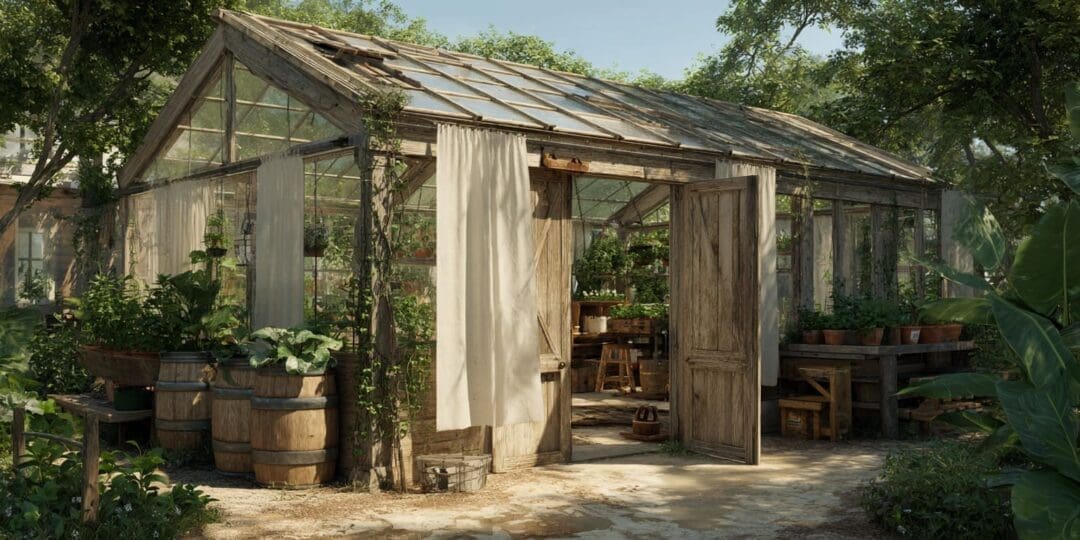
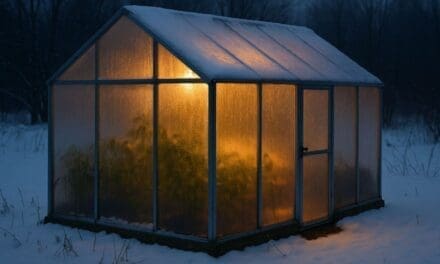
Knowing how to keep a greenhouse cool in summer is one of the biggest challenges for gardeners who rely on passive growing systems. Greenhouses are excellent at trapping heat, but during summer months that same benefit can quickly turn into a problem.
If temperatures climb too high, plants suffer. Growth slows, pollination drops, and heat stress can ruin an entire season. The good news is that people have been cooling greenhouses long before electricity, fans, or climate control systems existed.
The solution isn’t more technology. It’s better design and smarter habits.
Why Greenhouses Overheat So Easily
A greenhouse works by trapping solar radiation. Sunlight enters through the transparent walls and roof, heats the interior, and gets trapped inside. During summer, this effect multiplies quickly.
Without proper ventilation or shading, temperatures can rise far above outdoor levels. Even mild summer days can push greenhouse temperatures into dangerous territory within hours.
Plastic and glass surfaces amplify this effect by preventing heat from escaping naturally. Once internal air warms up, it has nowhere to go unless intentional openings are provided.
Humidity also increases as temperatures rise, creating additional stress on plants. High heat combined with high humidity reduces transpiration, making it harder for plants to cool themselves.
Ventilation Is the First Line of Defense
Proper airflow is the most effective way to reduce heat. Hot air naturally rises, so vents placed near the roof allow excess heat to escape.
Side vents, doors, and adjustable windows create cross-ventilation that pulls cooler air in while pushing hot air out. Opening doors early in the morning prevents heat from building up in the first place.
Roof vents are especially effective when combined with lower openings. This creates a chimney effect that continuously moves hot air upward and out.
Consistent ventilation also helps regulate humidity, reducing the risk of mold, mildew, and fungal diseases that thrive in warm, stagnant air.
Shade Is More Important Than Most People Think
Shading reduces the amount of direct sunlight entering the greenhouse, lowering internal temperatures significantly. Shade cloth, reed mats, or even removable fabric panels can cut heat without blocking airflow.
Temporary shading is especially useful during peak summer months. Once temperatures drop, it can be removed to allow full sunlight again.
Different plants require different levels of shade. Leafy greens tolerate more shade, while fruiting plants may need partial exposure during cooler parts of the day.
Using movable shading allows you to adjust conditions throughout the season rather than committing to a permanent reduction in light.
Water as a Cooling Tool
Water plays a powerful role in temperature regulation. Damp soil, water barrels, and stone floors absorb heat during the day and release it slowly.
Misting pathways or watering early in the morning increases evaporative cooling, reducing overall air temperature inside the greenhouse.
Water barrels placed along walls act as thermal buffers, helping smooth out extreme temperature swings between day and night.
Avoid watering during the hottest part of the day, as this can raise humidity too quickly and stress plants instead of cooling them.
Smart Plant Placement Matters
Tall plants can provide natural shade for more delicate ones. Grouping heat-sensitive plants away from direct sun exposure helps prevent stress.
Spacing plants properly also improves airflow, reducing heat buildup around leaves. Overcrowded greenhouses trap heat and humidity, creating ideal conditions for disease.
Climbing plants trained along trellises can double as living shade, especially when positioned along sun-facing walls.
Rotating plant placement throughout the season helps prevent persistent hot spots from forming in the same areas.
Traditional Orientation and Design Tricks
Older greenhouse designs paid close attention to orientation. Positioning vents to align with prevailing winds improves natural airflow. Here are some tips to take into account:
Using partial earth-sheltering, stone walls, or wooden frames instead of metal reduces heat absorption. Materials matter more than most modern growers realize.
North-facing walls can be insulated or shaded to reduce unnecessary heat buildup while maintaining light from other angles.
Overhangs and roof angles were traditionally designed to block high summer sun while allowing lower winter sunlight to enter.
Avoid Common Summer Greenhouse Mistakes
Many gardeners wait until heat becomes extreme before taking action. By then, damage has already started.
Leaving doors closed during sunny days, using dark containers, and relying solely on plastic structures increases internal heat dramatically.
Ignoring early warning signs like leaf curl or flower drop often leads to permanent yield loss.
Assuming one solution fits all conditions is another mistake. Cooling requires a combination of airflow, shade, and moisture management.
Final Thoughts on Keeping a Greenhouse Cool in Summer
Learning how to keep a greenhouse cool in summer doesn’t require electricity or expensive systems. It requires observation, preparation, and respect for natural airflow and materials.
The most reliable solutions are often the simplest ones, proven through generations of hands-on experience. Learn even more from this video:
Frequently Asked Questions
- How hot is too hot for a greenhouse in summer?
Most plants begin to suffer when greenhouse temperatures consistently exceed 90°F (32°C). Prolonged exposure can cause stress, poor growth, and flower drop. - What is the easiest way to cool a greenhouse naturally?
Ventilation is the fastest and most effective method. Opening roof vents and doors early in the day allows hot air to escape before it builds up. - Does shade cloth really make a difference?
Shade cloth can reduce internal temperatures significantly by limiting direct sunlight while still allowing airflow and diffused light. - Can watering help cool a greenhouse?
Water helps through evaporative cooling and thermal mass. Morning watering and water barrels can stabilize temperatures without raising humidity too much. - Is it possible to keep a greenhouse cool without electricity?
Proper ventilation, shading, plant placement, and traditional design methods have been used successfully long before electric systems existed.
Learn Timeless Self-Sufficiency Skills With The Amish Ways
The methods that work best for cooling greenhouses didn’t come from modern manuals. They came from people who lived without power, automation, or convenience.
The Amish Ways reveals how traditional communities manage food production, preservation, and daily life without relying on fragile systems.
Inside, you’ll discover:
- Low-tech gardening and greenhouse methods that work year after year
- Natural cooling, ventilation, and seasonal growing techniques
- Food storage and preservation skills that don’t require electricity
- Practical homesteading wisdom refined over generations
- A self-reliant mindset that modern tools can’t replace
If you want systems that keep working when power, fuel, and supply chains fail, this knowledge matters.
👉 Click here to discover The Amish Ways and build a more resilient, self-sufficient life
You may also like:
Can You Do Electroculture in a Greenhouse?
The Herbs You Need to Keep Close During Dark Times (Video)
DIY Greenhouse (With Step-By-Step Pictures)




















I’m reluctant to leave my greenhouse door open during nice sunny days. I don’t want bugs to take over. We always have Yellowjacket issues.