
The Amish are often portrayed as people frozen in time, but that picture misses something important. Their choices are rarely about nostalgia. They’re about function, tradition, and results that have worked for generations. Raw milk is a good example. While most of the modern world drinks pasteurized milk without a second thought, many Amish families continue to consume milk straight from the cow. Not because they’re unaware of modern food safety rules, but because they operate under a completely different food system.
To understand why the Amish drink raw milk, you have to look at how they produce food, how they manage animals, and what they value when it comes to health and self-reliance.
Raw Milk Fits a Closed, Controlled Food System
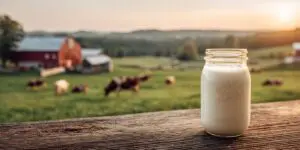
The biggest difference between Amish milk and supermarket milk isn’t the pasteurization process. It’s scale. Amish dairies are small, local, and tightly controlled. The cows are usually raised by the same family that drinks the milk. They know the animals, the feed, the pasture, and the milking conditions.
Raw milk becomes far riskier when it’s pooled from hundreds or thousands of cows, transported long distances, and stored for extended periods. That’s the industrial model pasteurization was designed to fix. The Amish simply don’t operate that way. Their milk often goes from cow to table within hours, not days.
This short chain reduces contamination risks significantly, especially when paired with strict cleanliness during milking and storage.
Tradition Backed by Daily Observation
For the Amish, raw milk isn’t a trend or a health movement. It’s how milk has always been consumed. Many Amish adults grew up drinking raw milk daily and watched their parents and grandparents do the same. Over time, that creates a powerful form of evidence they trust more than studies or headlines.
They pay close attention to how food affects the body. If something consistently caused illness, weakness, or long-term problems, it wouldn’t survive as a community practice. Raw milk, in their experience, did the opposite. It nourished children, supported hard physical labor, and fit into a diet built around whole, minimally processed foods.
Nutritional Reasons Matter to Them
Pasteurization involves heating milk to kill bacteria, but that heat also alters certain enzymes and proteins. Supporters of raw milk often point out that unpasteurized milk contains naturally occurring enzymes and beneficial bacteria that don’t survive pasteurization.
The Amish don’t frame this in scientific language, but they understand it practically. Raw milk is seen as more “alive,” more filling, and more satisfying. Many believe it digests better and provides more usable nutrition, especially when combined with traditional diets high in homegrown vegetables, fermented foods, and pasture-raised meats.
Healthy Cows Are Central to the Practice
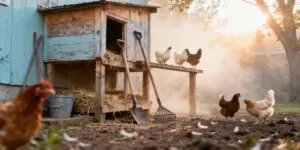
Another key factor is animal health. Amish dairy cows are typically pasture-raised, grass-fed for much of the year, and not pushed for extreme production. They’re not confined in large feedlots or fed heavy grain-based rations year-round.
Healthier animals produce cleaner milk. When cows are stressed, overcrowded, or poorly fed, disease risk rises. The Amish model reduces those pressures. Regular observation means sick animals are noticed quickly and removed from the milk supply.
Raw milk only makes sense when animal care is a priority. The Amish understand that without healthy cows, the entire system fails.
Legal and Cultural Independence
In many regions, selling raw milk is heavily restricted or illegal. The Amish often navigate these laws carefully, sometimes consuming raw milk only within their own community or through private arrangements.
This isn’t defiance for its own sake. It reflects a broader Amish principle: minimizing dependence on outside systems. When you produce your own food, process it yourself, and consume it locally, you’re less vulnerable to supply disruptions, regulations, or market shifts.
Raw milk is part of that independence. It removes reliance on processing facilities, refrigeration chains, and commercial distribution.
Raw Milk Is Not a Casual Choice
It’s important to be clear: the Amish don’t treat raw milk casually. Clean equipment, immediate cooling, proper storage, and strict routines are standard. This isn’t milk sitting warm in a bucket all day. It’s handled with discipline because everyone understands the consequences of carelessness.
This is where many modern attempts to imitate Amish practices fail. People focus on the product, not the system behind it. Without the same controls, raw milk becomes a different and riskier proposition.
Learn the Food Traditions That Kept Amish Families Healthy for Generations
Raw milk is just one small example of how the Amish approach food differently. Their strength doesn’t come from a single habit, but from a complete, self-contained way of living where food, health, and daily routines are tightly connected.
The Amish Ways Book takes you inside that system and explains how these communities preserved health long before industrial food, refrigeration trucks, and processing plants existed.
Inside the book, you’ll discover:
- How Amish families handle milk, meat, grains, and vegetables without modern processing
- Traditional food storage methods that reduce spoilage and waste
- Why short supply chains matter more than technology
- How animal care directly impacts food quality and human health
- Daily habits that quietly reduce dependence on outside systems
- Simple, repeatable practices that still work today in any rural or suburban setting
If you’re curious about why Amish food choices like raw milk make sense within their lifestyle—and how much of that wisdom still applies today – this book connects the dots and shows the bigger picture.
Final Thoughts
The Amish drink raw milk because it fits their way of life. It aligns with small-scale farming, close animal care, short supply chains, and food traditions tested over generations. It’s not about rejecting science or modern knowledge. It’s about trusting a system they can see, control, and maintain themselves.
In the Amish world, food isn’t something that comes from far away in a carton. It’s something you’re responsible for from beginning to end. Raw milk is simply one expression of that responsibility.
You may also like:
10 Amish Canning Recipes You Should Know About
This Is The First Thing You Should Do With The Food In Your Fridge During A Blackout (Video)
Why Do Amish Women Remove Their Teeth? The Sad Truth Behind The Practice
12 Amish Farming Secrets Every Homesteader Should Know