
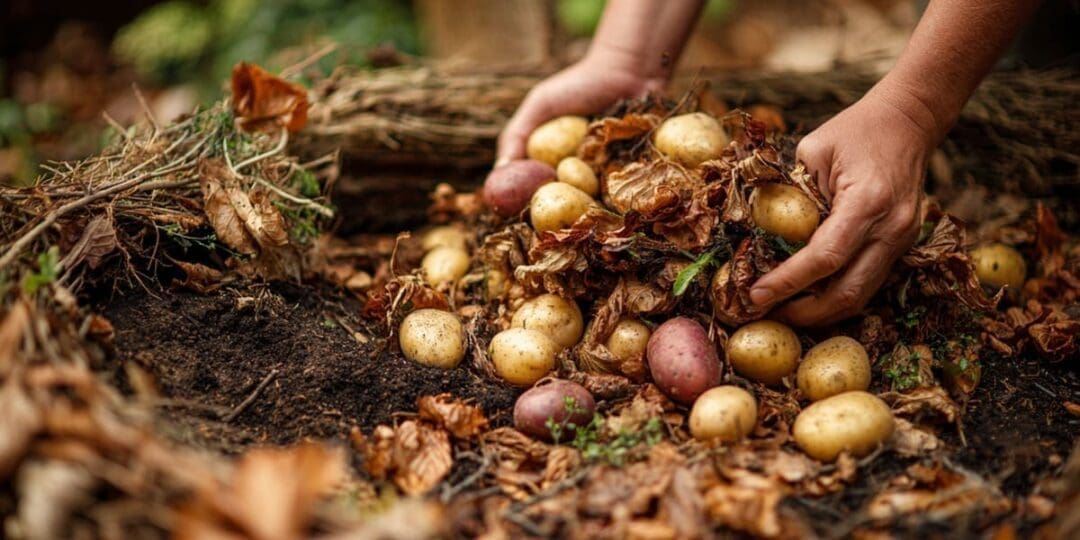
Potatoes continue to be one of the most nutritional foods we can eat. In fact, the Irish subsisted on a diet of mostly potatoes for centuries usually boiled with a seasoning of black pepper. It was the great Irish potato famine of 1845 to 1852 that resulted in a massive migration of Irish settlers to the United States.
The simple fact is that potatoes are loaded with a diverse combination of nutrients. Here are the potato nutrition facts highlighting the nutrients:
Potato Nutrition Facts
| NUTRIENTS | AMOUT (APPROX.) | NOTES |
| Calories | 92 kcal | Relatively low in calories compared to other carbohydrate based foods |
| Carbohydrates | 21 grams | Glycemic index varies depending on variety. Mostly consists of starch |
| Protein | 2.5 grams | More than most root vegetables |
| Fat | 0.1 gram | Very low in fat |
| Fiber | 2.2 grams | High fiber |
| Vitamin C | 20 mg (22% DV) | Supports immune system |
| Vitamin B6 | 0.2 mg (15% DV) | Balances metabolism |
| Potassium | 429 mg (9% DV) | Regulates muscle function and blood pressure |
| Magnesium | 23 mg | Enhances nerve and muscle function |
| Iron | 0.8 mg | Facilitates oxygen transport |
The nutritional value of potatoes is one of the biggest reasons they often show up in backyard gardens. They’re also surprisingly easy to grow although they require the entire season to mature.
When you look at a potato closely, it becomes clear why our ancestors valued it so deeply. It fed the body, strengthened the immune system, and provided steady nourishment through long seasons. But potatoes were only one part of a much larger living pantry that people once relied on every day.
Forgotten Home Apothecary is a gentle guide back to that knowledge. It teaches you how to recognize, grow, harvest, and prepare medicinal plants that support the body in the same quiet way potatoes do. These are not complicated remedies or rare ingredients. They are plants that thrive in gardens, fields, and wild edges, offering real help when you know how to work with them.
If growing food that nourishes and heals feels important to you, this is the kind of knowledge that belongs close at hand. The same mindset that leads someone to grow potatoes in leaves often leads them to want a deeper understanding of the plants around them.
👉 Learn more here: Forgotten Home Apothecary
Potato Growing Approaches
Many people plant their potatoes directly into the ground while some use various types of containers from half barrels to 5-gallon buckets and even black, plastic bags. The simple fact is that potatoes grow easily and profusely but they favor a loose soil and even have been successfully grown in hay, and as were about to discover, leaves.
The Benefits of Growing Potatoes in Leaves
Potatoes prefer a very loose and friable soil. That’s why they are often planted between layers of straw. This allows the potato tubers to expand and grow. Tightly packed soils like clay or hard topsoil restrict the tuber growth. That’s one of the reasons leaves make such an excellent bedding for potatoes.
Leaves also do a great job of retaining moisture. Potatoes thrive under moist conditions and leaves maintain that environment extremely well. A combination of cardboard and leaves also suppresses weeds and protects developing tubers from sunlight which can result in green potatoes.
Growing potatoes in leaves is not a modern trick. It is an old way of working with the land gently, using what nature already provides instead of forcing the soil to comply. This kind of thinking has sustained families for generations, especially among communities who valued simplicity, patience, and resilience.
 The Amish Ways Book opens a window into that way of life. It shares practical methods for growing food, storing harvests, and living more self sufficient without relying on complex tools or modern systems. Much like using leaves, cardboard, and worms to grow potatoes, these practices are built on observation, respect for natural cycles, and steady hands.
For anyone drawn to this method of gardening, the book feels less like instruction and more like reassurance. It reminds us that abundance does not require sophistication, only understanding and care.
👉 Discover the Amish approach here: The Amish Ways Book
Remember the Worms
Another factor that helps potatoes to thrive in leaves is a strong and growing worm population. This is sometimes referred to as vermiculture as the worms breakdown the leaves and leave their droppings or tailings behind. The combination of leaves and a robust worm population creates ideal growing conditions for potatoes and the leaves also make for an easy harvest.
Preparing a Leaf Garden Bed for Potatoes
The size of your leaf potato garden depends on the space you have available and the number of potatoes you want to grow. We’re going to start with a garden space that is 10 x 20 feet. Here are the steps to preparing the beds and planting the potatoes.
1. Mark Off the Size of Your Potato Bed
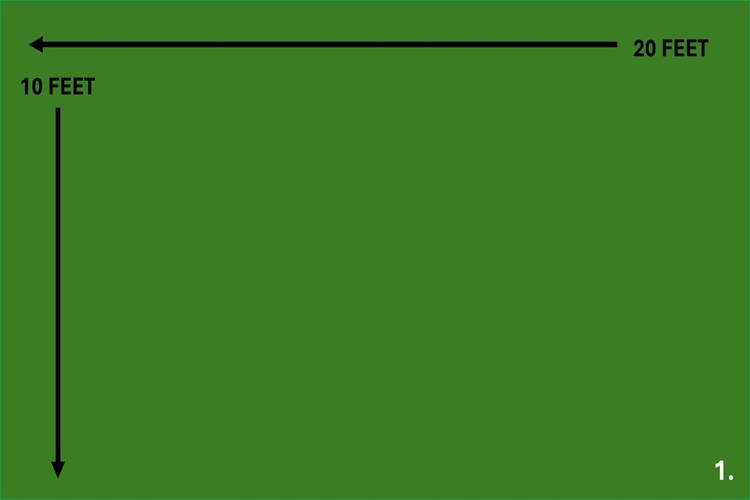
We’re starting with a 10×20 foot garden bed.
2. Turn the Soil
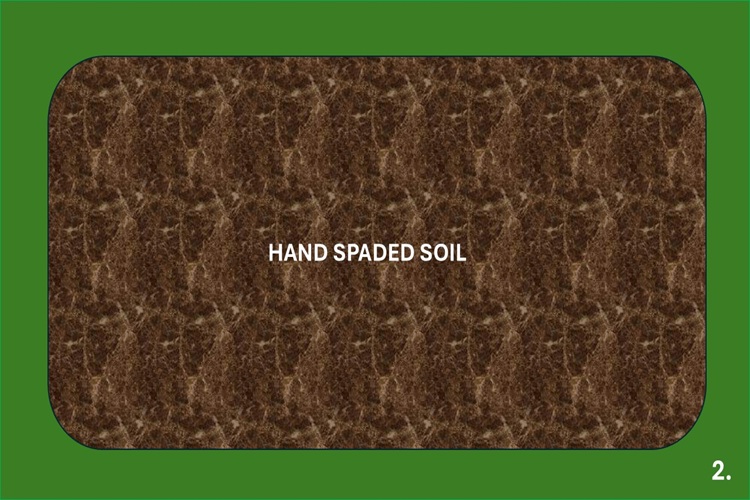
Use a spading fork to turn the soil. A rototiller will chop up any worms in the soil. You want to preserve that existing worm population.
3. Lay Down Sheets of Cardboard
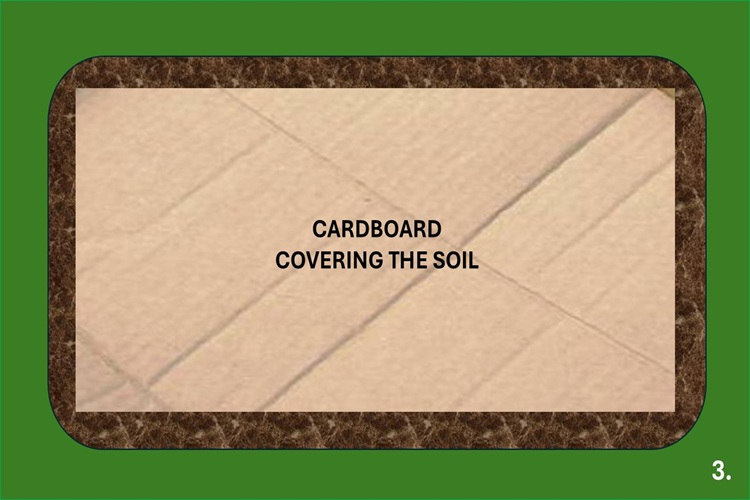
The cardboard serves as a barrier to any emerging weeds. It will eventually decompose as the potato plants are watered and the roots begin to grow.
4. Soak the Sheets of Cardboard with Water
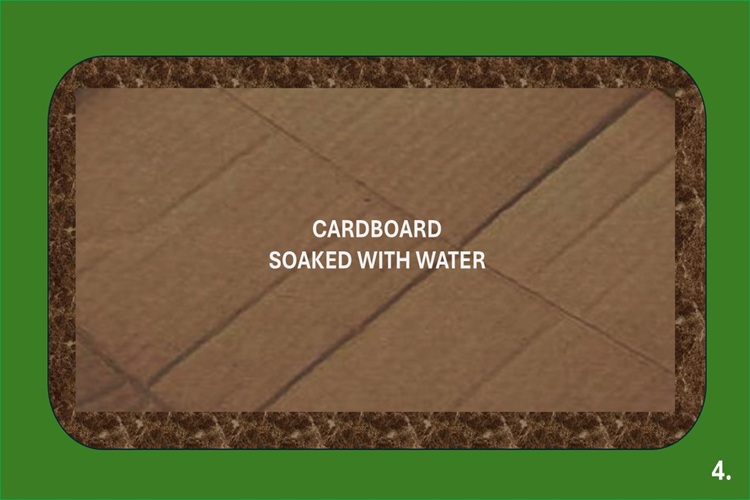
Saturate the sheets of cardboard with water. This will give your potatoes a good headstart.
5. Cut Your Seed Potatoes
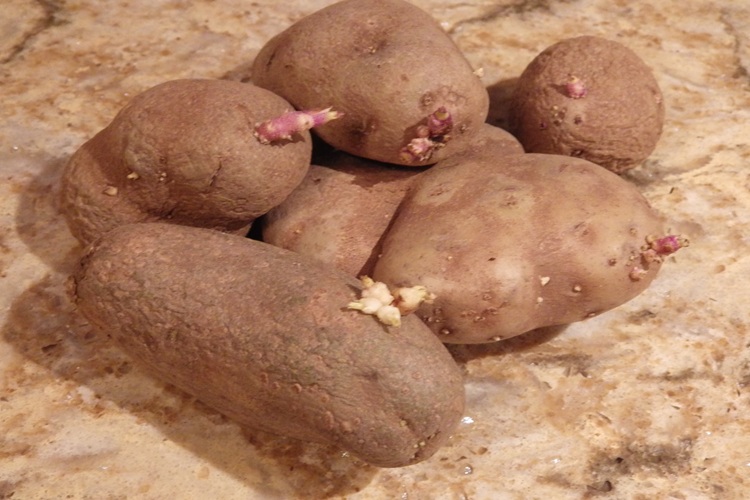
It’s best to use seed potatoes you buy at a garden or home center. Store bought potatoes can carry fungus or may be hybrids that won’t grow as well.
You should cut your seed potatoes in half or pieces with at least one sprouted eye on each piece. You then allow the cut seed potatoes to cure or dry overnight before planting.
6. Space Your Seed Potatoes Around the Cardboard
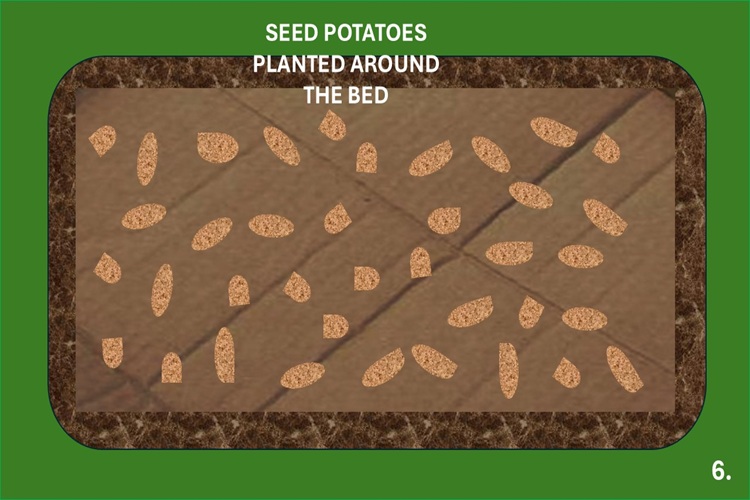
You want to leave 6 to 8-inches between each seed potato. Space them around equidistant on the cardboard.
7. Top Your Potatoes with Leaves
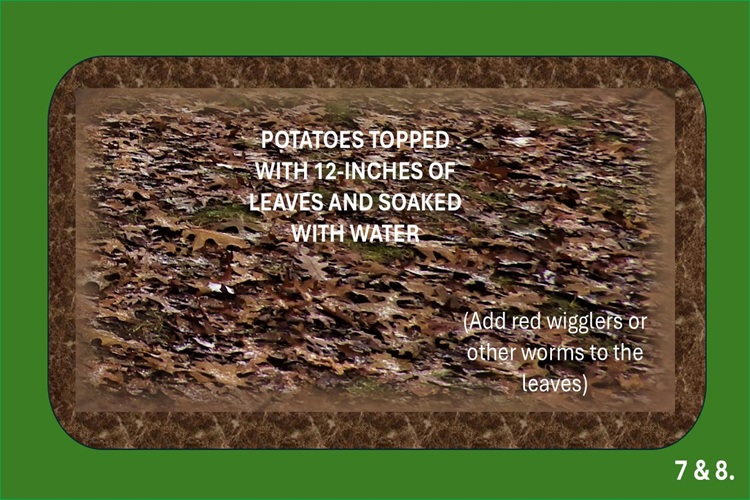
You want dry, dead leaves. If you can crush them or chop them that works to. Pile the potatoes about 10 to 12-inches high over the potatoes. You can add worms that you’ve harvested or bought online or from a bait shop if you want to accelerate the vermicomposting action of the worms. Red wigglers are best although all worms can work.
8. Soak your Leaves with Water
A good water soak will jumpstart your potato crop. You can also top your leaves with compost if you have it, but the leaves alone will decompose and provide nutrients, and any worms will add to the nutrients with their tailings.
9. Mound Leaves Around the Emerging Plants
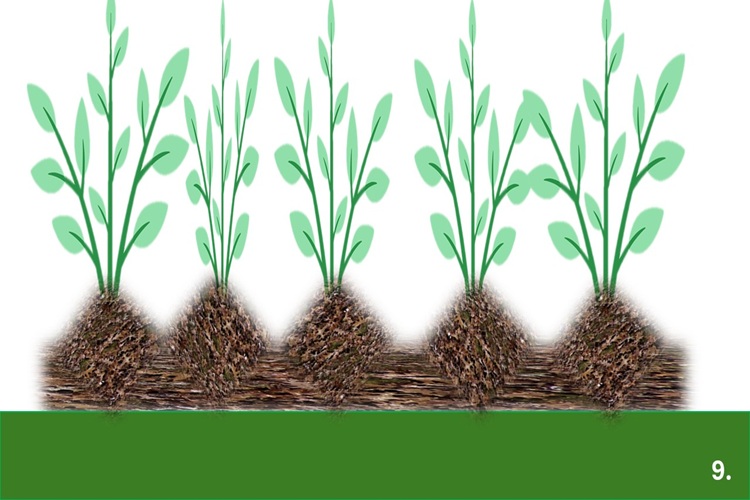
As your potato plants emerge, mound leaves around the stems of the plants. Water thoroughly and continue to mound leaves as the plants grow.
10. Harvest When the Plants Turn Brown
In late summer or fall the potato plants will turn yellow and brown. That’s the classic signal that the potatoes are ready for harvest. Use a spading fork to gently turn the matted and decomposing leaves to unearth the potatoes and harvest as you go.
You don’t have to harvest all of the potatoes at once. They will do fine in the ground as Autumn proceeds but be sure to harvest them before the ground freezes.
The Best Potato Varieties in Leaves
Some potato varieties grow better in leaves than others. Here are the most commonly recommended potato varieties for growing potatoes in leaves:
- Yukon Gold
- Irish Cobbler (a classic heirloom potato)
- Red Norland
- Kennebec
- Russet Burbank
- Carola
Storing Your Potatoes
Potatoes keep for weeks if stored properly. A root cellar is ideal but even a basement or garage can create some of the characteristics of a root cellar. If you’re storing your potatoes in a pantry, store them in a vented basket and do not store them in the same cupboard or pantry with onions or garlic. Gases given off by onions and garlic will accelerate ripening of potatoes and cause them to sprout eyes and eventually soften and wrinkle.
You could also parboil sliced potatoes and freeze them, dehydrate slices in a food dehydrator or boil them and mash them and freeze them in plastic bags.
Save Those Leaves
 A leaf potato garden is started in the spring. It’s possible you raked all of your leaves in the fall. Think ahead and store a good amount of leaves in large plastic garbage bags or in a pile in the corner of the yard. Dead, dry leaves are best. If you didn’t rake the leaves in Autumn you might have a good supply after snow melt. Save those leaves and watch those potatoes grow and grow.
One of the quiet strengths of growing potatoes in leaves is how well this method protects moisture. Leaves hold water gently, shade the soil beneath, and reduce evaporation in ways bare ground never can. Even in dry seasons, this creates a small pocket of stability where plants can continue to grow.
Many people do not realize how closely food security and water availability are linked until water becomes uncertain. A garden method that uses leaves, cardboard, and natural decomposition is not just about convenience. It is about adapting to conditions where water must be used wisely, whether in a backyard, a remote plot, or a place where irrigation is not guaranteed.
Learning to grow food with less water is one step. Understanding the larger patterns of drought and water stress is another. If this way of growing resonates with you, it may be worth exploring how water scarcity is shaping the future and what that means for long term self reliance.
👉 Learn more here: Mega Drought USA!
Did you ever grow potatoes in only leaves? If so, how did it go? How was your experience and what problems did you encounter? We would love to hear from you so leave a comment below. The same goes if you have questions.
You may also like:
How to Grow 100 Pounds of Potatoes in Trash Bags
This Is The First Thing You Should Do With The Food In Your Fridge During A Blackout (Video)
Canning Potatoes: A Self-Reliant Staple for Your Pantry
How Long Do Potatoes Last in the Fridge Cooked?
This Is The No #1 Enemy Of Potatoes













I have Bradford Pear trees, maple trees, and Hackberry trees in my yard. Are these trees leaves safe to grow potatoes in?
In most cases, yes, fallen leaves like those from Bradford Pear, maple, and hackberry trees are safe to use as the leaf layer in a “potatoes-in-leaves” setup because they’re typical deciduous tree foliage that breaks down into organic matter rather than releasing harmful compounds. Gardeners routinely mulch and compost broadleaf tree leaves without adverse effects on veggies, and even potato beds have shown good results under leaf mulch when it’s moist and decomposing properly.
Instead of leaves, can one grow potatoes in a bed of grass cuttings? I have a lot of those that I am trying to turn into compost.