
For most of us, January is one of the coldest months of the year. It can make a lot of outdoor activities challenging or at least difficult to accomplish. It’s also a time when clutter, disorganization and occasional chaos seems to take over. The long warm days of summer just seem to make everything easier. January is another story. But there’s an upside to those days of cabin fever and forced indoor activity: Planning and Reorganization.
Plan for the Months Ahead Heading into Spring
This isn’t to say you can’t do anything outside. Some things outdoors will always need attention. But after you put another log on the fire and find that warm comforter, think about how you can plan and prepare for the months to come, and what you can do around the homestead to get control of the inevitable clutter.
January planning isn’t just about gardens and tools — it’s also about identifying weak points before they become problems. For instance, water is one of them.
Winter is the ideal time to research and plan water independence solutions so you’re ready to act when spring arrives. Understanding alternatives like pulling water from air or atmospheric moisture gives you options long before droughts, restrictions, or grid issues appear.
Planning now makes implementation easier later.
Plan Your Garden
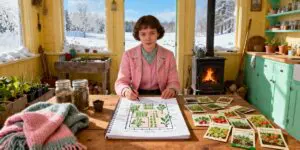
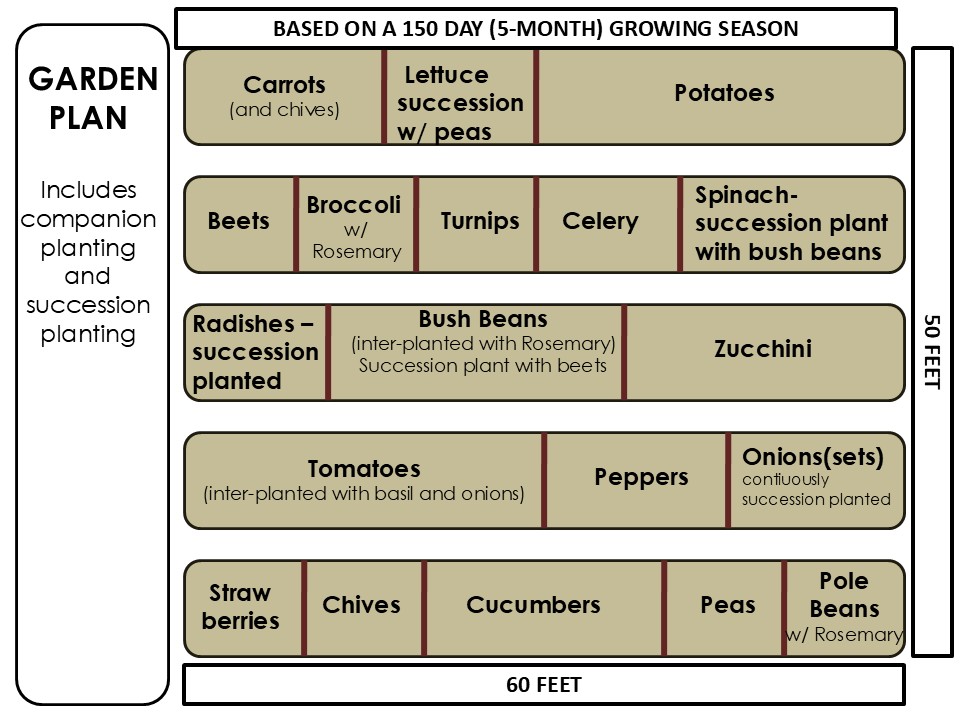 Few homesteads are without a vegetable garden and/or an orchard. January is a good time to think about what you want to plant, where and how much. A quick trip outside will let you measure your garden space if you haven’t already done so, Now all you need to do is transfer the dimensions to a sheet of paper and block out what you want to plant and where.
Start by considering what your family likes to eat, what you might preserve, and remember companion planting. Some plants get along better when planted together, and others like onions and garlic don’t seem to get along well with most other plants.
Think about crop rotation as well. If you planted heavy feeders like tomatoes or corn in a certain area, think about planting beans or peas in those areas next season. They return nitrogen to the ground and revitalize the soil.
Assemble Your Seeds
If you harvested any seeds from the previous season, figure out what you have and how many seeds. You can also harvest seeds from grocery store produce but try to buy heirloom varieties. Hybrid varieties sometimes present inconsistent germination or a variety you hadn’t planned on.
If you’re short of any seeds you can buy them online or at a garden center. That way you’ll be good to go when it’s planting time.
Sprout Some Seeds
Vegetables and fruits planted from seed will take a longer time to mature in the garden. You can get a headstart in January and February by sprouting some vegetables plants ahead of time in small pots or trays. Root vegetables are usually best planted from seed, but vining and stalky vegetables can get a good headstart if sprouted before planting.
Basement Time
 Most of the summer is spent storing stuff in the basement or finding tools so we can work outside. January is a good time to spend some quality time in the basement.
Drain the Water Heater
The standard recommendation is that you drain your water heater once a year to remove sediment or iron buildup. Here are the steps:
- Shut of the power to an electric water heater at the circuit breaker or shut off the gas valve and turn off a gas water heater.
- Connect a hose to the spigot at the bottom of the tank and run it to a sump pump.
- Shut to water valves off feeding water into the water heater.
- Open hot water faucets upstairs.
- Open the valve on the spigot and open the release valve on the top of the water heater by flipping it up. This will allow air to enter the top of the tank and help to fully drain the water heater.
- You can also open the cold water valve above the water heater to rinse the water heater more thoroughly.
- Close the spigot. Remove the hose. Close the air release valve on the top of the water heater and then fully refill the tank.
- Go upstairs and check any open hot water faucets until you see water coming out of the faucets. The water will be cold at this point, but you want to refill the water pipes throughout the house.
- Once the tank is refilled, turn the power back on and set the temperature gauge to the desired temperature.
- Check the upstairs faucets to ensure the water heater is working.
Reorganize Your Storage
 We all tend to store a lot in the basement. Sometimes it gets a bit out of control. January is a good time to get reorganized. Here are some things to consider:
- Go through all of those storage boxes. We sometimes store things haphazardly in cardboard and plastic boxes. Often they haven’t been opened since the last move or have just become catchalls for “stuff.” January is good time to patiently go through all that stuff and either toss it or at least reorganize it, so we have a fighting chance to find something when we need it.
- Do a food storage inventory. Many homesteaders use their basement for long term food storage. January is a good time to check the dates and maybe do some rotation on stored foods. If in doubt about any foods you have in storage, throw it out. Hopefully you’ve dated your stored foods, and January is a good time to move those older dates to the front of a shelf, so you use it next.
While you’re checking expiration dates and rotating shelves, this is also the perfect time to review how long foods should be stored and which items deserve a place in your long-term pantry.
A good long-term food storage guide helps you avoid waste, plan smarter purchases, and make sure what you store is actually usable when you need it.
Winter inventory now prevents unpleasant surprises later.
- Reorganize pantries and cabinets. Basement storage spaces like pantries, cabinets or anything else with a shelf can become as cluttered as a kitchen junk drawer. Pull everything out, wipe down the shelves and try to organize things logically. Put things you most often need at eye level and things you use occasionally either on the bottom shelf or top shelves.
Winter is when most people discover their medicine cabinet is outdated, incomplete, or dependent on stores that may not always be open.
A Home Apothecary Guide helps you use winter to reorganize and rebuild your natural health supplies — calmly, intentionally, and ahead of time.
Inside, you’ll learn:
- Which herbs are most useful to keep on hand year-round
- How to prepare remedies before cold, flu, and spring allergies arrive
- How to reduce dependence on pharmacies during supply disruptions
- Simple storage methods that fit perfectly with winter reorganization
- How to build a natural backup plan while you still have time
January is the best month to prepare remedies — not when you’re already sick and scrambling. We recommend this apothecary guide to get you started!
Think About Your Garage
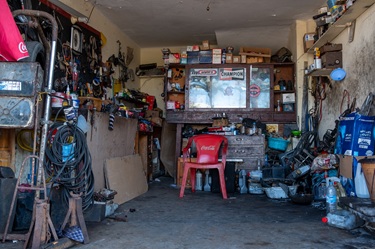 We spend a lot of time in the garage during the summer and it’s easy to keep things clean, neat and organized. Winter is another story. Tools pile up on the tool bench, hardware ends up in jars or old coffee cans instead or trays, drawers or storage boxes. Stuff gets stuffed into cabinets or put anywhere on a shelf or the floor where it will fit. Blame it on the cold weather.
January is the time to put on a coat and hat and some light gloves and maybe set up a small heater on the work bench. This isn’t about a total clean and reorganization, but it makes sense to get control of the clutter. Here are some things that might need attention:
- Clear the workbenches.
If you can’t see the surface of your workbenches you’re not alone. A lot of us always think we’ll get to it eventually, but the accumulation grows. Take some time to put things away. Maybe listen to some music while your work.
- Do some basic hardware organization.
Gather up those loose screws washers, bolts, nails and other hardware and at least get them into that old coffee can if not a storage box.
- Hang and organize those scattered tools.
Hopefully you have a pegboard with hooks. Get those tools back where they belong. This shouldn’t take too long and it’s another big step to getting those workbenches cleared and clean.
- Isolate auto repair tools and supplies in one place.
When you’re working on your vehicle it’s nice to have a dedicated space for those tools, equipment and supplies. Find a few shelves in a cabinet or a dedicated box. It’s a lot easier than searching the entire garage for an air gauge, oil spout or tire inflator.
About Those Outbuildings
 Most homesteads have their share of outbuildings including barns, sheds, workshops and coops. After you’re done with the garage, give them a quick check and straighten up as much as you can. And if you raise chickens, make sure you have some heating options and that their water is not frozen. That should actually be a daily task, but everything seems to get cluttered in January.
Speaking of Vehicle Maintenance
January is a lousy time of year to have car trouble on the road. Keep that coat on and do some basic maintenance you may have neglected because of the cold weather:
- Check the air pressure on all tires…
…including the spare and refill to recommended PSI embossed on the tires.
- Check the battery…
…for corrosion on the terminals and clean with vinegar. Also check the water level in the batteries and make sure they are full above the lead plates.
- Check the antifreeze.
January is cold and antifreeze is made for winter.
- Check the windshield washer fluid.
Add a winter “non-freeze” windshield washer fluid if you haven’t already done so. This is also important because dirty slush and road salt can obscure your windshield if you’re out of windshield washer fluid.
In the Kitchen
Winter has traditionally been known as the baking season. The heat from an oven helps heat the house, and warm, baked goods are always welcome in January. And most homesteaders are accomplished cooks. Here are some possibilities:
- Bake your own bread.
The basic recipe is 1 ½ cups of flour to a teaspoon of yeast and sugar and 2 ½ cups of flour. Knead, let rise for 1 hour and bake at 350 degrees F. (176 degrees C.) for 30 minutes.
- Bake cakes, pies and pastries.
The basic ingredients are inexpensive, and you’ll save a lot of money.
- It’s not just about baking.
Make some Greek yogurt. Bring a gallon of whole milk to 110 degrees F. (43 degrees C.), add a small container of plain Greek yogurt put mix into large jars topped with lightly attached lids and place in oven with oven light on only overnight. In the morning, strain through layers of cheesecloth in a strainer and store in fridge in sterilized jars. Lasts 2 weeks.
- Ferment some sauerkraut.
Both yogurt and sauerkraut are high in probiotics aiding overall gut health. Shave a head of cabbage into shreds. Toss in a bowl with ½ cup of kosher salt and place in fridge for a week. After a week, remove and strain and rinse in a colander. Add to sterilized jars and refrigerate. Last a month.
- And while you’re at it.
Reorganize the kitchen pantry, drawers and wipe down the shelves and drawer dividers.
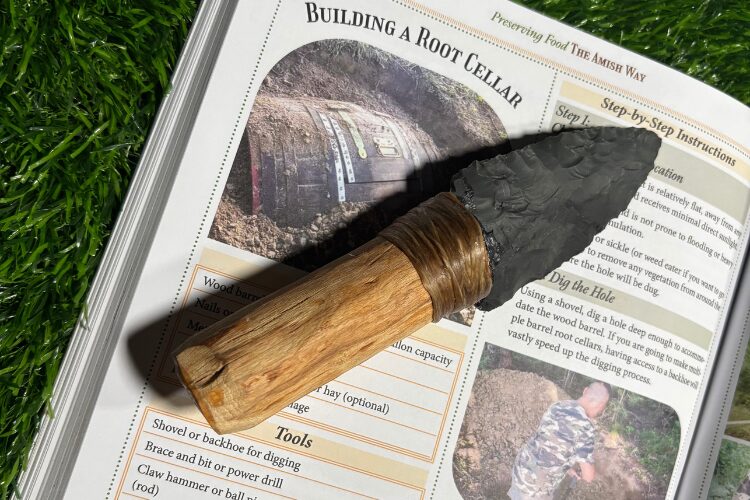
Long before modern conveniences made winter feel unbearable, families used this season to prepare quietly, intentionally, and efficiently. The Amish still live this way today.
The Amish Ways Book reveals how traditional communities turned winter into their most productive season.
Inside, you’ll learn:
- How Amish families plan food, storage, and work by season
- Why winter was traditionally used for preparation, not idleness
- Old-world kitchen practices that save money and build resilience
- Simple systems that don’t depend on electricity or modern tools
- How slowing down actually leads to better organization and less waste
This isn’t nostalgia. It’s proven wisdom that still works — especially in months like January, when preparation matters most.
The Amish Ways Book is available at a New Year’s discount here!
It’s Time to Go Outside
It may not be our favorite time of year for outdoor activities, but some things need to be done.
- If you use wood heat to heat your home…
…do a quick audit on your wood pile and try to estimate your wood usage so you know you can get through the cold weather still to come. If not, find a warmer day to catch up.
- Tap some trees for sap and make syrup.
The first 40 degree day (4.5 degrees C.) the sap from many trees start to run. This could happen in January. Tree possibilities for sap and syrup include maples, boxelders, black walnut and birch. Tap the trees on the south side of the tree and boil down to 220 degrees F. (104.5 degrees C.), filter and bottle. It takes about 40 gallons of sap to make one gallon of syrup. You can buy the sap tapping supplies online.
- Toss some wood ash on your garden beds.
Wood ash softens the soil due to its high alkaline content. It’s a great addition for most vegetable gardens.
And Finally…
Engage in some winter crafts. The cold and dark days of January are a great time to do some knitting, crochet, sewing, needlepoint, furniture making and even some basic tool repairs and maintenance like sharpening axes and chainsaw chains, removing rust from old tools (soak in vinegar overnight and scrape with a wire brush then dry and lightly oil). If you have a hobby or craft skill an easy way to beat cabin favor is making something next to the fireplace or in that newly cleaned and organized garage.
It’s All About Planning and Preparing
As January moves into February and March and early Spring you’ll be ready to hit the ground running. Continue to move your tasks outdoors as the weather improves and rest easy knowing you didn’t waste January staring at the TV and waiting for the weather to break. Better yet, your reorganizing efforts will make January a clear statement that you’re buttoned up and prepared for the year to come.
January is when smart homesteaders stop reacting and start building. While the ground is frozen and the days are short, this is the perfect time to plan and prepare systems that will carry you through the rest of the year.

No Grid Survival Projects was designed for moments exactly like this. It shows how to use your indoor winter time to prepare practical systems that don’t rely on utilities, fragile supply chains, or perfect conditions.
Inside, you’ll discover how to:
- Build reliable off-grid systems while you’re stuck indoors
- Prepare food, water, and energy solutions before spring work begins
- Reduce dependence on modern infrastructure one project at a time
- Turn winter planning into real-world preparedness
- Enter spring already ahead, organized, and confident
January isn’t downtime. It’s preparation season. Use it to build things that will still be working long after winter is gone.
Learn more about No Grid Survival Projects Here!

You may also like:
How To Sharpen Your Homesteading Tools In Minutes
Cheap and Easy to Build Root Cellar in Your Own Backyard (Video)
Livestock Guardian Dogs: The Silent Protectors Every Homestead Needs
12 Trees Every Homesteader Should Plant In Their Backyard
12 Amish Farming Secrets Every Homesteader Should Know