When most of us think of trees we think of firewood, fruit and shade. We also take some time to admire the Fall color as some trees lights up in shades of orange, red and yellow. But some trees present something else that we might not recognize. Various compounds in the wood can not only create toxic woods but might be poisonous.
The toxicity varies and can affect us through contact and even when we burn the wood. Most of these are natural defense systems developed by the trees but there are occasions when woods are chemical treated imparting toxic chemicals to soil, plants and once again when burned.
We’re going to cover a range of trees from around the world that present toxic characteristics. And just because a tree appears on the other side of the planet doesn’t mean there’s no danger. Many trees have been imported for ornamental or practical uses to all parts of the world.
We’ll identify the trees, their typical growing locations, the chemicals and compounds that make them toxic and the adverse effects of contact, ingestion or inhalation of smoke.
Woods from Trees with Toxic Natural Compounds
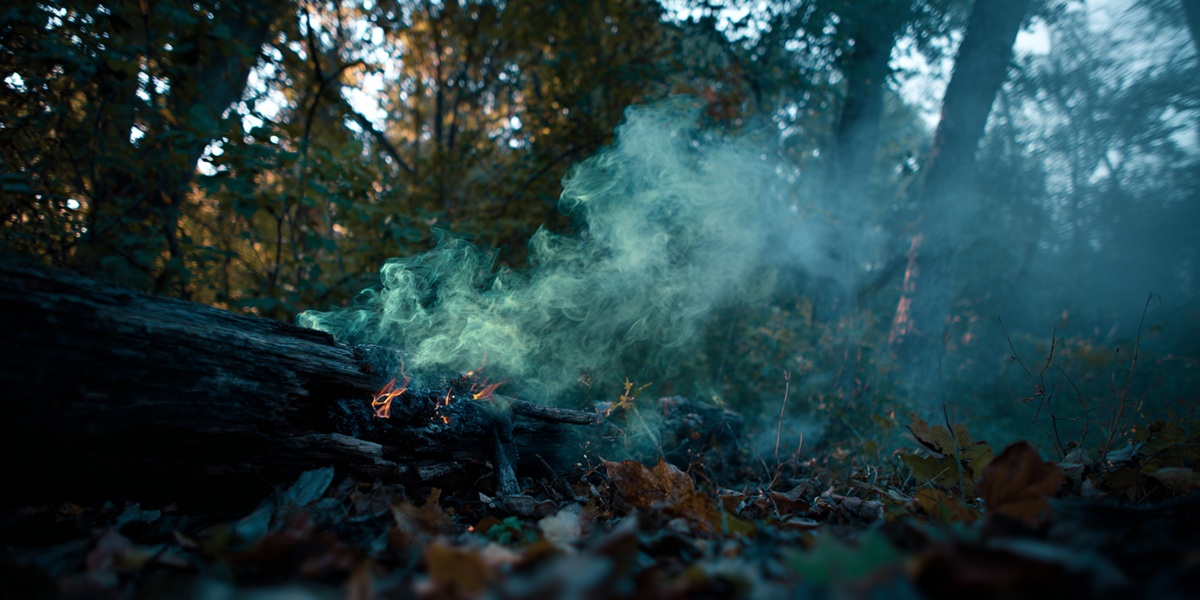
The wood from these trees are both toxic to the touch and especially when burned. They should never be used for heat or cooking. The wood itself and especially the smoke can cause blistering, heart failure and both serious and permanent damage to the lungs in addition to other afflictions.
Oleander
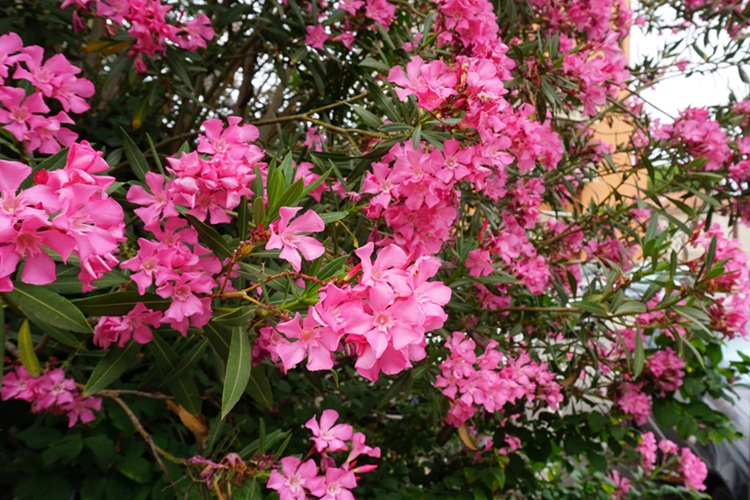 Oleander is an ornamental tree that is grown in temperate climates around the world. The danger is that all parts of the plant are highly toxic including the bark and the wood. The primary toxic compound is called oleandrin. It is grown both outdoors and indoors where it is particularly dangerous to children and pets. This is why it is so important to learn about the backyard plants that are safe near your home. Other toxic compounds include cardiac glycosides and saponins. Never build with or burn the wood from an Oleander tree. Better yet, don’t plant it in the first place.
Poison Sumac
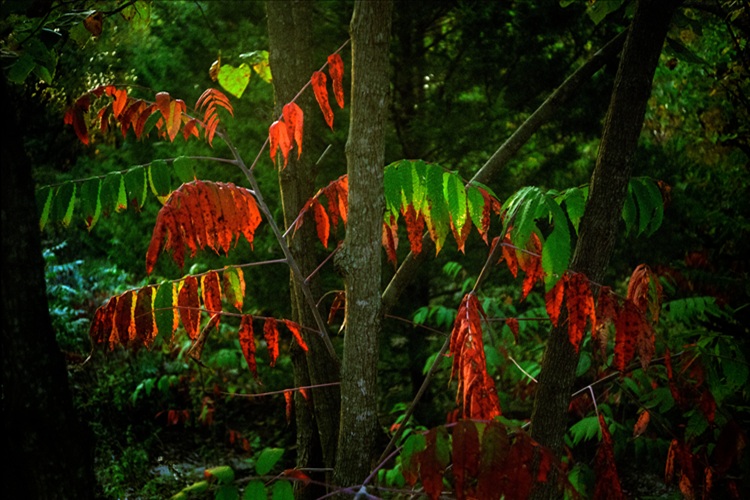 Poison Sumac grows across wetlands in many parts of the world including most of the North America. All parts of the tree are highly toxic including the bark and wood. The primary toxic compound is urushiol, the same toxic compound found in poison ivy.
Here again building with Poison Sumac or burning it can lead to blistering, severe allergic reactions, rashes and intense eye irritations. The smoke will cause blistering and damage to the mouth, throat and lungs which could be permanent.
Poison Oak
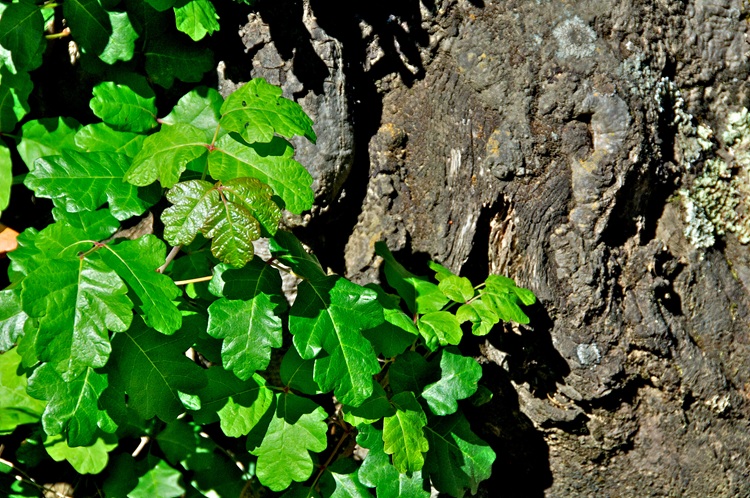 Poison Oak is another toxic tree and once again the primary toxic compound is urushiol. The urushiol vaporizes in the smoke when Poison Oak is burned and can lead to severe damage to the lungs, inflammation and can even be fatal if inhaled.
Worse, the toxic smoke can travel long distances while retaining its high levels of toxicity affecting people and animals far from the location of the fire. Even the ash can trigger rashes or blistering.
Manchineel
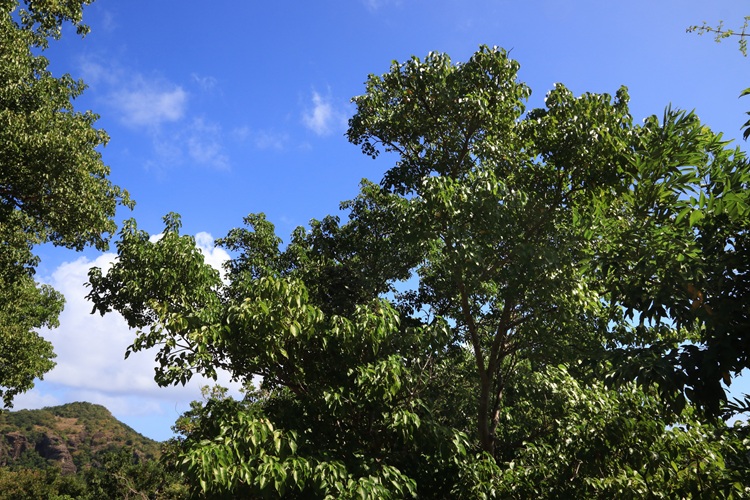
It’s unlikely that you have a Manchineel tree growing in your backyard. Especially if you know anything about them. They have been identified as the most toxic tree in the world and that extends to the bark and the wood.
It grows primarily in tropical areas and even standing under the tree in the rain can cause blistering and rashes. Nobody builds with the timber from the tree and burning it could be a death sentence. So you should not be too worried when you are out foraging for plants that can save your life. Still, it is important to be aware of manchineel, especially when you go to another country or you are in an area you do not know.
It’s the sap of the tree that has the highest toxicity and burning the wood can cause blindness if the smoke comes in contact with the eyes. The primary toxic compounds are known as phorbol esters. Inhaling the smoke can result in severe swelling in the throat and inflammation of the lungs potentially leading to death.
Cedar
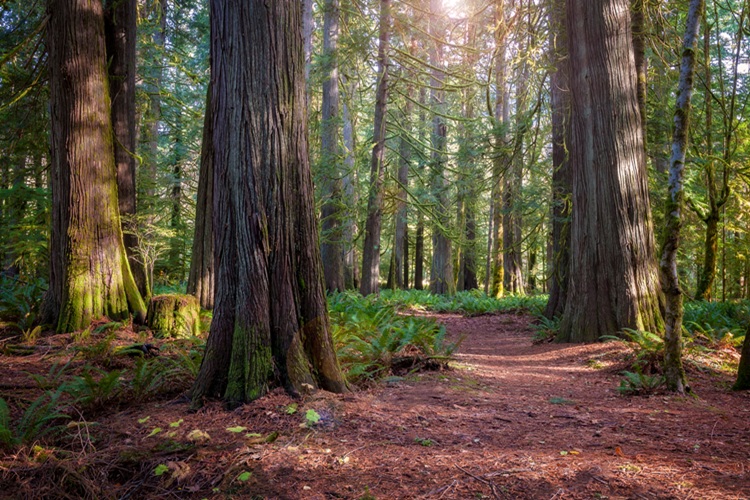 It comes as a surprise to some, but Cedar wood has toxic properties especially when burned. It’s high resin content makes it impervious to moisture resulting in its use as a building material for decks and lawn furniture, but the smoke can cause severe ling irritation and can trigger asthma attacks.
Woods with Toxic Artificial Compounds
Wood used for construction of structures, outdoor furnishings, decks and fences is often chemically treated to prevent mold or rot. The wood is generally safe although it is often recommended that some treated woods not be used as garden borders or containers. The worst case scenario with chemically treated woods is burning. Here’s s chart that highlights various types of chemical wood treatments, the chemicals used and the toxic risks when the treated wood is burned.
Treated Wood: Chemicals and Toxic Risks When Burned
- Creosote Treated Wood
- Chemical Compounds: Creosote is a tar based preservative often used on fence posts, fencing and support posts for decks and other structures.
- Toxic Risks When Burned: The smoke from creosote treated wood is very high in carcinogens which can lead to severe respiratory distress and even cancer.
Pressure Treated Woods (CCA – Chromated Copper Arsenate)
- Chemical Compounds: Copper, arsenic, and chromium used in isolation or in combination.
- Toxic Risks When Burned: Burning pressure treated wood releases arsenic and chromium fumes leading to severe respiratory distress, lung damage, and increased cancer risk. The ash contaminates soil and air.
Treated Wood (ACQ – Applied by Brush)
- Chemical Compounds: Quaternary ammonium and copper compounds.
- Toxic Risks When Burned: Burning produces toxic copper fumes that are harmful to the mouth, throat, and especially the lungs. It is also harmful to the surrounding environment.
Pentachlorophenol Treated Wood
- Chemical Compounds: Chlorinated phenols.
- Toxic Risks When Burned: Burning releases toxic gases and dioxins which have been linked to liver damage and immune system damage.
Particle Board, Plywood, and MDF
- Chemical Compounds: Adhesives and formaldehyde resins.
- Toxic Risks When Burned: Burning releases formaldehyde and toxic fumes from glues. Effects include headaches, lung irritation, and permanent damage.
Painted or Stained Woods
- Chemical Compounds: Depends on the base including lead-based paints and solvents.
- Toxic Risks When Burned: Burning releases lead, VOCs (volatile organic compounds), and heavy metals. Toxic effects include lead poisoning, respiratory distress, lung damage, and cancer.
Know What You’re Handling Before It Becomes Dangerous
One of the most common mistakes people make in outdoor and survival situations is assuming that all wood is safe once it’s cut and dried. In reality, many of the most dangerous mistakes happen because people simply don’t know what they’re handling. In a backyard fire pit, a hunting camp, or an emergency heating situation, the wrong piece of wood can turn a helpful fire into a serious health hazard. This is where solid, practical knowledge makes all the difference.
The Wilderness Survival Guide focuses on exactly this kind of real-world awareness. It teaches you how to recognize materials, plants, and environmental hazards before they become problems. Rather than relying on guesswork, you learn how to identify what is safe to use, what should be avoided, and how to make informed decisions when resources are limited. This kind of knowledge doesn’t just apply in the wilderness — it applies at home, in your yard, and anywhere fire and natural materials are involved.
What makes the Wilderness Survival Guide especially valuable:
- How to identify safe and unsafe materials in the wild and at home
- Practical guidance on fire use, smoke exposure, and material selection
- Awareness of toxic plants and woods commonly overlooked
- Decision-making skills for uncertain or high-risk situations
- Survival knowledge that applies to everyday life, not just emergencies
When you understand what nature offers — and what it hides — you stop relying on luck. The Wilderness Survival Guide gives you the confidence to work with the natural world safely, whether you’re heating your home, camping, or preparing for situations where mistakes carry real consequences.
👉 Learn more about the Wilderness Survival Guide here!
Know Your Toxic Woods
As a general rule, if a tree has toxic properties or if the wood has been treated in any way chemically, you should think twice before using it for construction or around garden plants and simply never burn it. Dispose of it in a dumpster or haul it to the dump. It’s just not worth the risk.
How Simplicity Prevents Most Toxic Woods Danger
Long before treated lumber and imported ornamental trees became common, people relied on a simple rule: only use what you fully understand. Few groups have held onto this principle as carefully as the Amish. Their approach to wood use, heating, building, and land management avoids most of the dangers described in this article not because of fear, but because of restraint and discipline.
The Amish Ways Book offers a window into this mindset. It explains how generations of Amish families select firewood, avoid toxic materials, and maintain healthy indoor environments without relying on modern chemicals. Their systems are designed to reduce risk before it ever appears — a lesson that fits naturally with understanding toxic and treated woods.
What you gain from the Amish Ways Book:
- How traditional communities choose safe firewood and building materials
- Why avoiding treated and unfamiliar wood protects long-term health
- Simple rules that prevent smoke, toxin, and soil contamination
- A mindset that values knowledge over convenience
- Practical habits that still work in modern homes
This isn’t about rejecting modern life. It’s about adopting practices that have already proven their worth over generations. When you apply these principles, you don’t just reduce risk — you simplify decisions and remove uncertainty from everyday choices.
👉 Discover the Amish Ways Book here!
Final Thoughts
Wood feels familiar. We’ve cooked over it, heated homes with it, built with it, and trusted it for generations. That familiarity is exactly what makes toxic and treated woods so dangerous. Most people never question what they’re cutting, stacking, or burning. As you’ve seen, some trees defend themselves with powerful natural toxins, while others become hazardous only after being treated with chemicals meant to preserve them. In both cases, the risk often isn’t obvious until it’s already doing harm.
The takeaway is simple and practical: not all wood is firewood, and not all trees are safe to handle or burn. If you don’t know exactly what a piece of wood is, where it came from, or how it was treated, it does not belong in your fireplace, fire pit, or cook stove. Taking a few extra minutes to identify wood properly can protect your lungs, your skin, your soil, and your long-term health. When it comes to toxic trees and treated lumber, caution isn’t overreaction – it’s common sense.
You may also like:
I Lived in The Woods for 15 Days and This is What Almost Killed Me
If You Have A Pet, Get Rid Of This Plant IMMEDIATELY! (Video)
Storing Your Food Like This Could Make It Toxic
Best Non Toxic Bakeware: A Comprehensive Guide for Self-Sufficient Living
DIY Non-Toxic Detergent Recipe