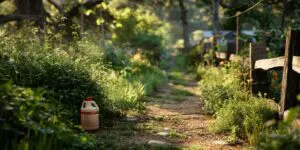

There is a moment every gardener reaches when weeds feel relentless. Paths disappear, fence lines creep inward, and carefully tended spaces begin to feel overtaken. It’s often at that point that people hear about RM43 weed killer, a product known for its strength and long-lasting results.
RM43 is marketed as a powerful solution designed to stop growth for months at a time. It combines multiple chemical agents to kill existing vegetation and prevent anything new from growing back. For industrial spaces, gravel roads, or utility lines, that permanence may seem appealing.
But for home gardens, homesteads, and self-sufficient properties, permanence can quietly become a problem.
What RM43 Weed Killer Actually Does
RM43 is a non-selective, residual herbicide, meaning it doesn’t just kill weeds. It kills everything. Once applied, it creates a zone where plants struggle to return for a long time. This includes beneficial ground cover, soil-protecting plants, and even nearby vegetation affected by runoff.
Over time, repeated use can alter soil life itself. Earthworms disappear. Microbial activity slows. The ground becomes less alive, less resilient, and more dependent on continued chemical control.
What’s often overlooked is that soil is not inert. It is a living system, constantly cycling nutrients, water, and air through millions of unseen organisms. When strong residual herbicides are introduced, that delicate balance is disrupted, sometimes for far longer than expected.
Even areas that appear clean after treatment may struggle later with compaction, poor drainage, or erosion. Without plant roots to hold it together, soil becomes vulnerable, especially during heavy rains or seasonal freeze-thaw cycles.
For those trying to build a self-sufficient property, this can lead to a frustrating cycle. More chemicals are needed to maintain control, while the land itself becomes less capable of supporting healthy growth on its own.
The Hidden Cost of “Permanent” Solutions
Weeds are often treated as enemies, but many are simply messengers. They show where soil is compacted, where nutrients are imbalanced, or where ground has been left bare too long.
When products like RM43 are used repeatedly, the land stops communicating. Not because the problem is solved, but because the soil has been silenced.
In many cases, weeds return stronger at the edges of treated zones, creeping in where chemicals weaken but don’t fully reach. This creates uneven growth patterns and encourages repeated spraying, slowly expanding the treated area year after year.
There is also the quiet cost of exposure. Even when used carefully, chemical residues can travel on boots, tools, pets, and water runoff. Over time, what was meant to stay in one place often spreads beyond it.
For homesteaders and gardeners seeking long-term stability, this raises a deeper concern. A solution that works quickly today may quietly undermine tomorrow’s harvest.
A Different Way to Think About Weed Control
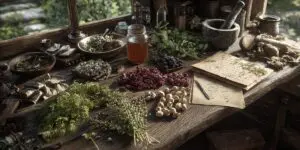
Before commercial herbicides existed, people still maintained paths, gardens, and farmyards. They used timing, mulching, livestock movement, soil improvement, simple tools, and patience.
Related: 67 Methods to Get Rid Of Weeds Naturally
These methods didn’t just remove weeds. They improved the land over time.
By covering bare soil, enriching it with organic matter, and encouraging healthy plant competition, weeds naturally lost their advantage. The land became shaded, nourished, and balanced, making aggressive growth less likely.
This approach requires observation rather than force. Instead of asking how to eliminate weeds entirely, it asks how to reduce the conditions that allow them to dominate in the first place.
Over time, this creates a landscape that manages itself more gently, one where weeds become occasional visitors rather than constant invaders.
A Gentler, Proven Alternative: The Amish Way
The Amish have lived for generations without reliance on chemical weed killers. Their land remains productive not because they erase nature, but because they work with it.
They understand that soil health is a long conversation, not a single action. Each season builds upon the last, and small daily habits matter more than dramatic interventions.
This mindset encourages consistency over convenience. Paths are maintained regularly, gardens are rotated thoughtfully, and soil is fed rather than stripped. Weeds are managed, not battled.
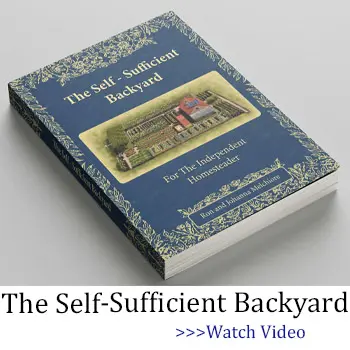
If you’re reconsidering products like RM43 and looking for a safer, more sustainable approach, The Amish Ways Book offers something far more valuable than a spray bottle.
Why The Amish Ways Book Belongs in a Self-Sufficient Home
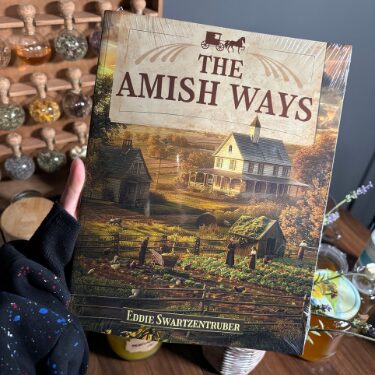 This book reveals how traditional communities maintain clean land, productive soil, and resilient homesteads without chemical dependence.
It focuses on practical routines, the quiet, repeatable actions that keep land manageable year after year. These aren’t complicated systems, but habits built into daily life.
Rather than reacting to weeds when they appear, Amish practices prevent conditions that allow them to thrive. The result is land that feels calmer, easier to maintain, and more forgiving over time.
Inside, you’ll discover:
- Natural weed control methods that don’t poison soil
- Land-management habits that reduce weed pressure over time
- Simple practices that strengthen soil instead of sterilizing it
- Old-world routines that keep paths, yards, and gardens manageable
- A slower approach that leads to lasting results, not constant reapplication
Instead of asking “How do I kill this weed?” you begin asking “Why is it growing here, and how do I gently correct that?” This shift changes everything.
Choosing Long-Term Strength Over Quick Fixes
RM43 weed killer promises control. Traditional knowledge builds resilience.
If your goal is a property that grows healthier every year, not one that becomes chemically dependent, then learning from those who have lived this way for centuries is a powerful step forward.
The land remembers how it is treated. Choose methods that allow it to stay alive.
You may also like:
The Vinegar Weed Killer Recipe Every Homesteader Should Know
The 10 Wild Foods That Saved Me When I Was Homeless (Video)
Stop Throwing Away Your Weeds, Do This Instead!
How To Grow A Weed-Free Garden