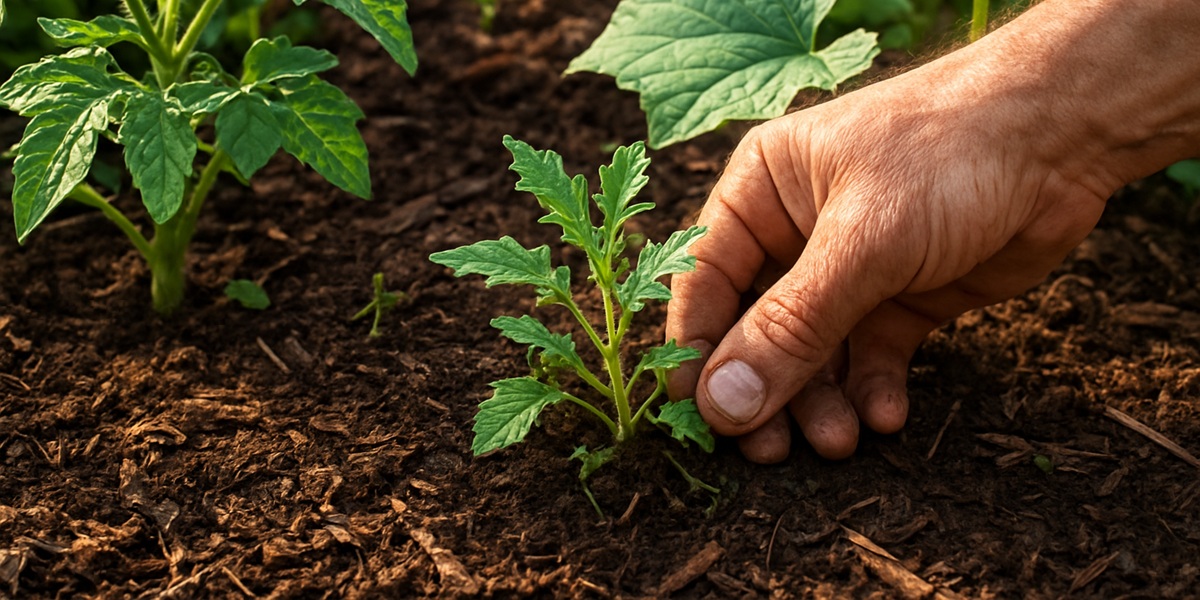
Weeds actively compete for water, sunlight, and minerals your crops need to grow strong. Left alone, they weaken your plants, reduce yields, and turn good soil into infertile soil. If you want your harvest to be as it should, plentiful, you have to deal with weeds.
And the common way to deal with weeds is to use pesticides, often including chemicals whose names are hard to pronounce and even harder to trust.
The truth is nature never needed those formulas to keep balance.
Long before modern pesticides existed, people protected crops using plants, minerals, timing, and observation. These methods were slower, yes, but they worked with the land instead of against it. And many of them are still just as effective today, without destroying the soil in the long run.
Below are some of the most common harmful pesticide categories, and what you can gently replace them with. Try this before you resort to chemicals.
Replace Synthetic Insecticides with Neem and Soap
 Many commercial insecticides contain neurotoxins designed to kill quickly. They do not distinguish well between pests and beneficial insects, and they often linger on food and soil.
A softer, smarter alternative is neem oil.
Neem works by disrupting insect feeding and reproduction rather than poisoning on contact. Aphids, mites, whiteflies, and caterpillars slowly lose interest in treated plants, while bees and pollinators are largely left unharmed when neem is used correctly.
Another simple ally is pure castile or soap-based sprays. Mixed lightly with water, they break down the outer layer of soft-bodied insects without contaminating soil or entering the food chain.
Neem also supports long-term balance by discouraging pest population explosions rather than wiping everything out at once. This allows beneficial insects time to adapt and reassert control naturally.
Soap sprays work best when used early, before infestations become severe. Applied in the morning or evening, they reduce stress on plants while still being effective against unwanted insects.
Replace Weed Killers with Vinegar, Heat, and Soil Care
Chemical herbicides are among the most damaging products used in home gardens. Many persist in soil, affect groundwater, and disrupt microbial life that plants depend on.
Instead of poisoning the ground, you can work with it.
Boiling water poured directly on unwanted weeds destroys them instantly without residue. Horticultural vinegar can be used carefully for spot treatment, especially between stones or walkways.
But the deepest solution is prevention. Healthy soil, mulching, and dense planting reduce weed pressure naturally. When soil is covered and nourished, opportunistic weeds lose their advantage.
Weeds often appear where the soil is asking for balance.
Mulch acts as both a physical barrier and a moisture regulator, making it harder for weed seeds to germinate while improving soil health over time.
Hand-pulling, when done after rain, removes weeds at the root and becomes a form of observation rather than labor. It allows you to see patterns and respond thoughtfully instead of reacting with chemicals.
Grow Food Without Weeds, Pesticides, or Soil Problems
Many weed problems don’t start with plants at all. They start with soil imbalance. Aquaponics removes that problem entirely by growing food without soil, chemical fertilizers, or weed pressure.
Aquaponics 4 You teaches you how to build a closed-loop growing system where plants and fish support each other naturally, eliminating many of the issues gardeners fight year after year.
With aquaponics, you’ll learn how to:
- Grow vegetables without weeds competing for nutrients
- Eliminate chemical herbicides and most pesticides entirely
- Feed plants using natural fish waste instead of synthetic fertilizer
- Produce food faster in less space with healthier root systems
- Maintain balance instead of constantly correcting problems
When weeds disappear, plant health improves automatically. Aquaponics shows what gardening looks like when balance is built into the system from the start.
Learn how to design a perfect Aquaponics system here!
Replace Fungicides with Baking Soda, Milk, and Airflow
Commercial fungicides often contain compounds that build resistance over time and affect beneficial fungi as well.
Gentler solutions exist.
A mild baking soda spray can change leaf surface conditions, making it harder for fungal spores to thrive. Diluted milk sprays have been shown to suppress powdery mildew by encouraging beneficial microbes.
Equally important is spacing and airflow. Plants grown too close trap moisture, inviting disease. Sometimes the cure is not a spray, but a little breathing room and sunlight.
Fungal problems often indicate environmental stress rather than plant weakness. Addressing moisture, light, and airflow reduces recurrence far more effectively than repeated treatments.
These natural remedies work best when applied early and regularly. Once disease is severe, the goal shifts from cure to containment and future prevention.
Learn the Plants That Protect Your Garden and Your Health
Replacing fungicides and chemicals means understanding which plants support balance—and how to use them correctly. That knowledge used to be common. Today, it’s quietly disappearing. Forgotten Home Apothecary preserves that wisdom, teaching you how to work with plants that protect soil, crops, and people without relying on harsh interventions.
Inside, you’ll discover:
- Plants that naturally resist fungal overgrowth
- Herbal preparations that support plant and human immunity
- How traditional growers prevented disease without chemicals
- When gentle remedies work—and when stronger action is needed
- Step-by-step methods to prepare plant-based solutions safely
Healthy gardens and healthy bodies follow the same rule: support the system, and problems shrink on their own.
See what Forgotten Home Apothecary offers HERE!
Replace Rodenticides with Natural Deterrents
Poison baits do not stop with rodents. They move up the food chain, harming pets, birds, and predators that keep ecosystems balanced.
Instead, consider peppermint oil, garlic, and habitat adjustments. Rodents are drawn to shelter and food sources. Remove those, and most will move on.
Encouraging natural predators like owls and snakes may feel uncomfortable at first, but they restore a balance no poison ever could.
Sealing entry points and reducing clutter around structures removes the safety rodents seek, making deterrents far more effective.
Natural deterrents require reapplication, especially after rain, but they avoid long-term contamination and allow predator species to do their quiet work.
Replace Chemical Dependence with Observation
The most powerful replacement for pesticides is not a product at all.
It is attention.
Walk your garden daily. Notice leaf color, insect patterns, soil moisture. Early intervention with gentle methods prevents the need for harsh ones later.
Over time, you begin to recognize normal cycles versus true imbalance.
This awareness reduces fear-based reactions and replaces them with calm, informed decisions that support long-term garden health.
A Final Gentle Reminder
Chemical pesticides often deliver consequences you cannot see until years later. Natural methods ask more of you, but they give back in ways that matter deeply: living soil, safer food, and a garden that is truly alive.
You do not need to be perfect when you replace harmful pesticides. If the situation is too bad, you can use them. The trick is to choose better and rely on chemicals less and less as time passes.
The earth remembers how we treat it. Remember that!
Learn How Entire Communities Farmed Without Chemicals
Long before pesticides, fungicides, and rodenticides existed, families still grew food reliably. The Amish remain one of the last living examples of this knowledge in action.
The Amish Ways Book reveals how these communities protect crops, preserve soil, and maintain balance without chemical dependence—using timing, observation, and tradition instead of shortcuts.
Inside the book, you’ll learn:
- How Amish farmers manage weeds without poisoning the soil
- Why observation matters more than constant intervention
- Traditional planting and spacing methods that reduce disease naturally
- How balance replaces fear-based chemical use
- Why long-term soil health always beats short-term control
If you want to garden in a way that still works decades from now, this book shows how it’s been done successfully for generations.
You may also like:
Tomato Worms: How to Identify, Manage, and Protect Your Garden
Cut Down On Your Bills In 2026 With These Easy Amish Projects (Video)
Home-Cooked Meals to Keep in Mason Jars for 5+ Years
Borax Ant Killer: A Simple, Natural Way to Reclaim Your Home
The One Plant That Can Fix Your Entire Garden – And You’re Probably Ignoring It