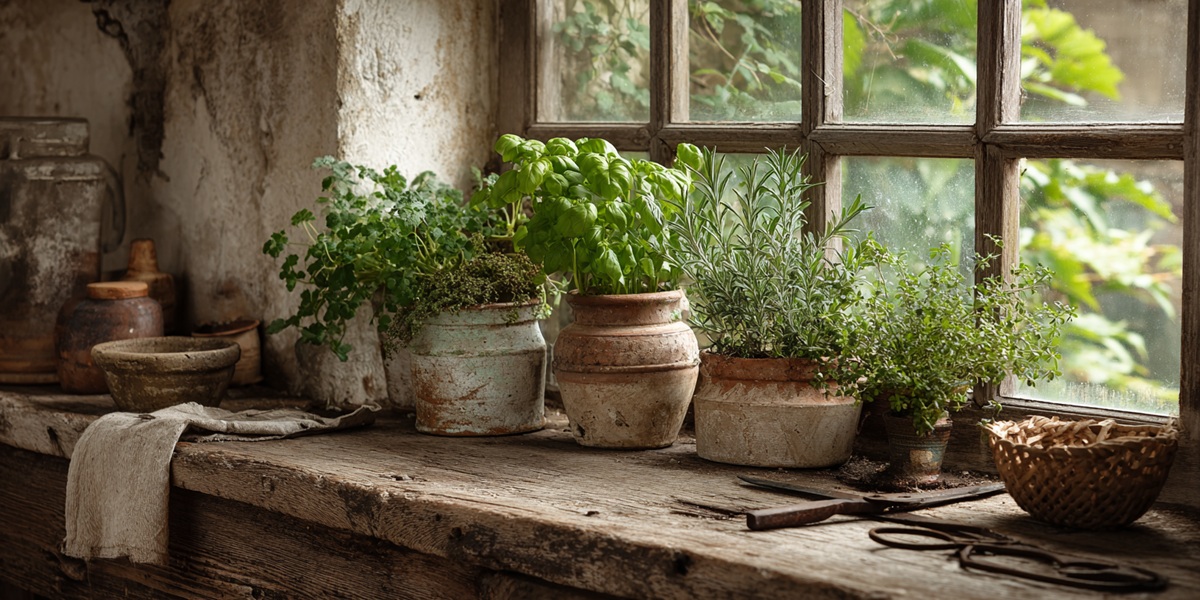
Growing herbs in a container is easy and makes sense all year round. Fresh herbs growing in the kitchen give you easy and quick access to what you need while you’re cooking and can keep those herbs growing into and through winter.
Best Herbs for Containers
Most herbs will grow fine in containers depending on the size of your pot or container. We’re going to use the herbs that grow best both indoors and outdoors and can thrive in smaller pots rather than large half-barrels.
Perennials Versus Annuals
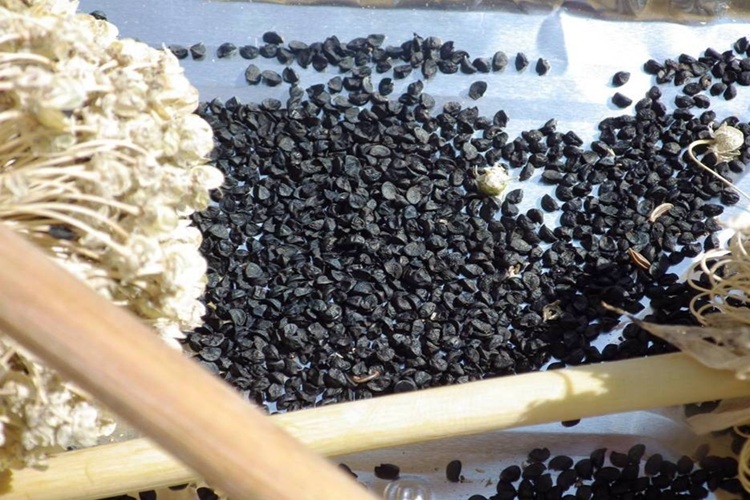
Annual herbs tend to grow better in containers and germinate fairly quickly from seed. Perennials transplanted from an herb garden is one way to get quick results, but we’re going to start everything from seed and stick mostly with the annuals, but some perennials made the cut.
One of the important things to remember when planting anything in a container is pruning. You don’t want the plant to outgrow the pot. That’s fairly easy to do with herbs because we often harvest them for cooking. But keep an eye on them, particularly if they tend to grow large.
That’s why we’re going to focus on herbs that grow in a compact way. Dill and Cilantro are great herbs for cooking, but they can grow as high as 3 feet tall or more. That can overwhelm our all-season planting especially when we take them indoors. Here’s our planting list:
-
Basil
Basil is a popular culinary herb for recipes ranging from pizza to pesto. It sprouts easily but it’s a delicate plant. Any signs of frost will quickly kill the plant leaving brown leaves and stems. Move basil indoors when there’s any chance for cold weather or just grow it on the windowsill all year long. Harvest the leaves as you go and they will quickly grow back.
-
Parsley
Parsley is a hardy herb and comes in two basic varieties. Curly parsley and leaf parsley. The curly parsley is hardier, and both will thrive on a windowsill garden. They germinate easily and will grow for years indoors.
-
Rosemary
Rosemary is a perennial in some latitudes. It’s a member of the pine family and is a hardy plant. It takes a while to germinate so keep it watered daily until the plants sprout. This is another herb that will grow for years indoors.
-
Chives
Chives are slow growing and emerge looking like blades of grass. As the bulb develops the chive stems will grow and eventually flower. If you want the chives to reseed, let the flowers grow otherwise trim them off. Chives are members of the onion family and have small root systems to consistent watering is always important across their lifecycle.
-
Thyme
Thyme is a perennial and grows in tight, compact lumps. The thyme sprigs will eventually overhang the pot making them easy to harvest. They are also slow to geminate so keep them well watered until they sprout.
-
Lemon Balm
Lemon Balm is a member of the mint family and is also a perennial. Its lemon flavor is commonly used for seafood dishes, in salads and to make a tea. They grow fast so keep up the harvest and save any excess in plastic bags in the fridge.
-
Mint
A container or pot may be the best way to grow mint because it is notorious for spreading. It grows fast and prolifically and can be used in pork and lamb dishes and to make a tea. It’s also a perennial and in a pot will grow and grow so keep it pruned.
If you enjoy growing herbs like basil, parsley, rosemary, chives, thyme, lemon balm, and mint in containers, it is worth knowing that many medicinal herbs grow just as easily in the same small spaces. The same windowsills, patios, and compact pots that support culinary herbs can also support plants traditionally used for teas, salves, and simple home remedies. You do not need a large garden or special setup to begin – just a few containers, light, and regular care.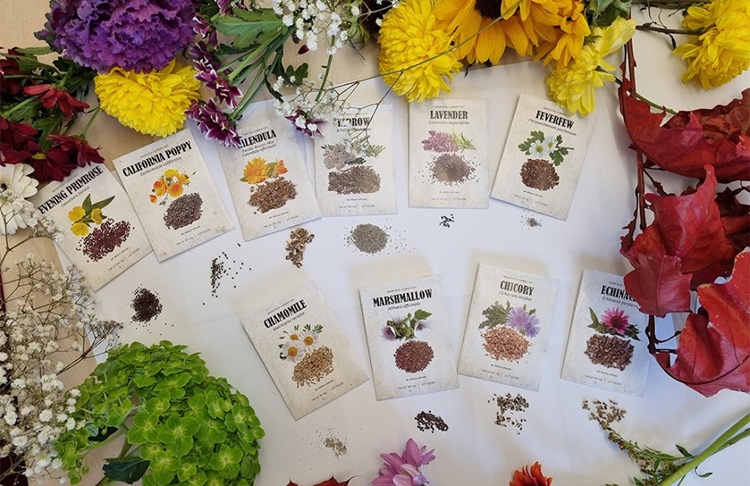
One simple way to expand beyond cooking herbs is with the Medicinal Garden Kit, which is designed specifically for home growers with limited space. The kit includes medicinal plants that adapt well to container growing and have long histories of traditional use:
• Chamomile
• Lavender
• Calendula
• Yarrow
• Echinacea
• Peppermint
• Evening Primrose
• Feverfew
• Marshmallow
• Chicory
These plants can be grown in individual pots or grouped in larger containers, just like the herbs already listed above. As they mature, you can harvest small amounts at a time and use them fresh or preserve them for later. Over time, your container garden becomes more than a source of flavor for your meals – it becomes a practical, living resource that supports everyday wellness. Starting small allows you to learn each plant at your own pace while building a garden that fits comfortably into your home and routine.
The Containers
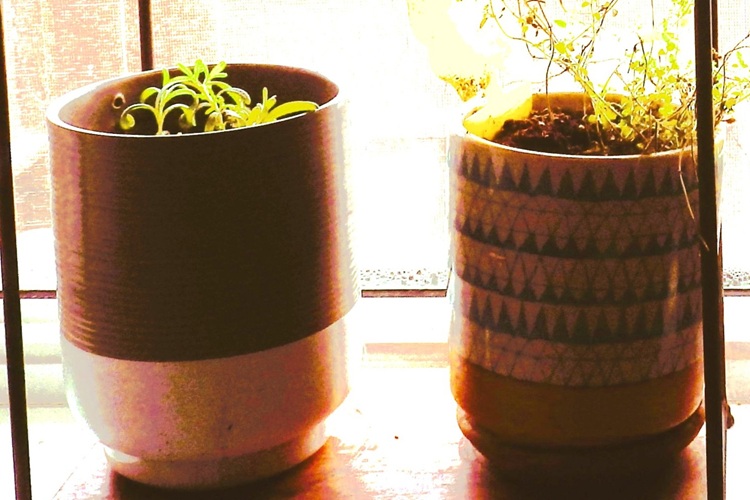
Containers are a matter of personal choice and budget. You could use terra cotta flowerpots, porcelain pots, even pickle jars or coffee cans. A lot depends on the location. Coffee cans on a patio or deck work fine, but in the kitchen you might want a pot or container that’s more decorative.
Something that’s critical with any container is that it has drainage holes in the bottom and a drip plate underneath. That’s especially important indoors. The size of your container is up to you and yes, you can plant more than one herb in larger pots.
The Soil
A good potting mix is an easy way to start. You can even buy a mix called “Seed Starter” which sounds like a good idea and it is what I used last time. You can buy a bag or mix equal parts of compost, topsoil and sand. That will give you a good combination for root growth and drainage.
A little mulch on the top is a good idea especially when you’re starting the seeds. Crushed leaves, chopped bark or wood shavings can work. Just make sure the wood shavings aren’t from chemically treated wood.
Healthy soil is not built quickly, and it rarely improves through force. It responds best to steady habits, restraint, and an understanding of natural rhythms. Container gardening highlights this truth clearly, because every decision about soil, water, and feeding shows its results quickly. When you work with the soil instead of trying to control it, plants become more resilient and problems become easier to manage.
The Amish Ways Book offers a deeper look into this mindset. It explores how generations of Amish families have maintained productive soil, gardens, and homesteads through simplicity rather than excess. Their approach relies on patience, observation, and consistency—principles that fit naturally with container gardening and small-space growing. Learning these habits can quietly improve not just your soil, but the way you approach growing food altogether.
👉 Discover the principles behind simple, resilient growing here!
Location
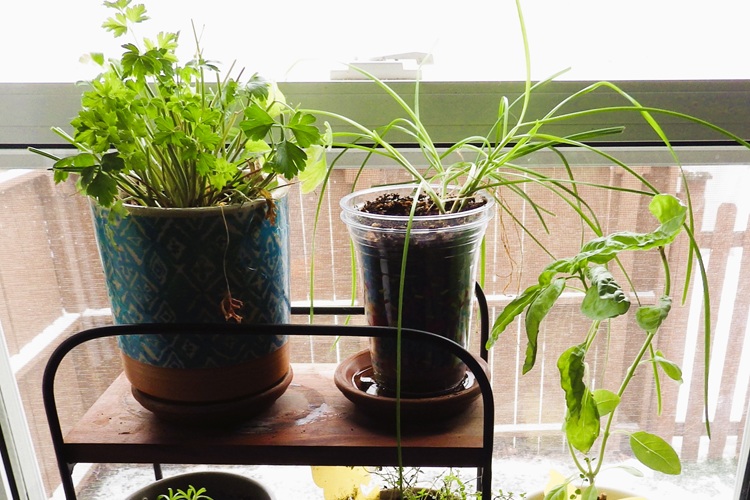
Sunlight is key whether outdoors or indoors. A windowsill with southern exposure is a great location and you can extend the size of the windowsill with a piece of wood screwed into the windowsill to match the size of your containers or pots.
You could also build a small plant stand to support one line of pots over the others. It all depends on how high your herbs grow. Thyme and curly parsley are good candidates for the bottom shelf while basil and rosemary grow best and taller on the top shelf.
Starting the Seeds
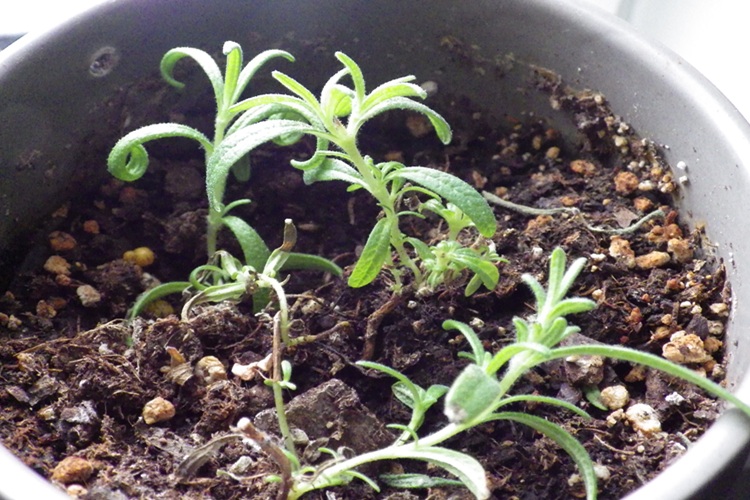
Two things are critical for seed germination. The depth that they are planted and constant and consistent moisture. Once a seed gets wet and then dries out it will often fail to germinate. Keep your freshly planted seeds well-watered until they start to sprout.
There’s no need to start your seeds in a dedicated seedling pot or sprouting fabric. If you have a good soil mix (especially a seed starter soil) and keep them regularly watered you should have no problems with germination.
Feeding Your Windowsill Farm
Plants growing in containers whether outdoors or indoors don’t have the benefit of nutrients that naturally occur in soil. A crystalized plant food like Miracle Grow can keep them healthy over time. You could also add some compost on top from time to time if you don’t want to use chemical fertilizers.
You can also watch your plants for subtle signs that they need feeding, such as pale leaves or slowed growth. Container-grown herbs rely entirely on what you provide, so gentle, regular nourishment works better than heavy, infrequent feeding. Liquid fertilizers, compost tea, or diluted organic plant food can be especially useful because they are absorbed quickly by the roots. By feeding lightly and consistently, you support steady growth without stressing the plant or overwhelming the soil in the container.
Preserving the Harvest
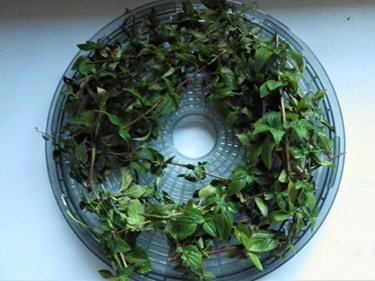 In spite of how often you cook you may find that you’re trimming your herbs faster than you can use them. If that’s the case, preserve them. They’ll last a week of more in the refrigerator in a plastic bag, or you could air dry them on a paper plate or in a food dehydrator and store them in jars.
Growing herbs in a container is easy to do and after you start cooking regularly with fresh herbs growing on your windowsill you’ll never go back to spice jars again.
If you find yourself trimming herbs faster than you can use them, that moment is an invitation rather than a problem. Fresh leaves, flowers, and stems can be gently dried, infused, or stored in ways that preserve both flavor and usefulness. Learning how to turn a simple harvest into teas, salves, oils, and tinctures allows nothing to go to waste. Even small amounts gathered from container plants can become something meaningful when prepared with care.
Forgotten Home Apothecary was created for exactly this stage of the journey. It teaches how everyday herbs are traditionally preserved and prepared using simple tools most homes already have. Instead of complicated formulas, it focuses on time-tested methods that work well with small, steady harvests. When you know how to preserve what you grow, your container garden becomes a quiet source of comfort and self-reliance throughout the year.
👉 Learn how to preserve and use your herbs with Forgotten Home Apothecary!
Final Thoughts
Growing herbs in containers brings you closer to your food in a simple, steady way. When you tend a few pots on a windowsill or patio, you begin to notice how plants respond to light, water, and care. You learn their rhythms almost without trying, and harvesting becomes part of your daily routine rather than a chore. Over time, this small practice builds confidence and appreciation for how much can be grown in very little space. Even through winter, these living plants keep a quiet sense of abundance close at hand.
Container gardening also teaches restraint and balance. You grow what you can manage, prune what becomes too much, and preserve what you cannot use right away. There is comfort in knowing your herbs are fresh, familiar, and grown under your own watch. Once you experience the flavor and satisfaction of cooking with herbs you nurtured yourself, dried jars from the store begin to feel distant and unnecessary. A few containers are often all it takes to change the way you think about food, seasons, and self-reliance.
You may also like:
Vertical Gardening for Self-Sufficient Living
The Wild Plant That People Fought Over During The Great Depression (Video)
Bucket Gardening: How to Grow Your Own Food Anywhere
Is Rabbit Manure a Good Fertilizer?