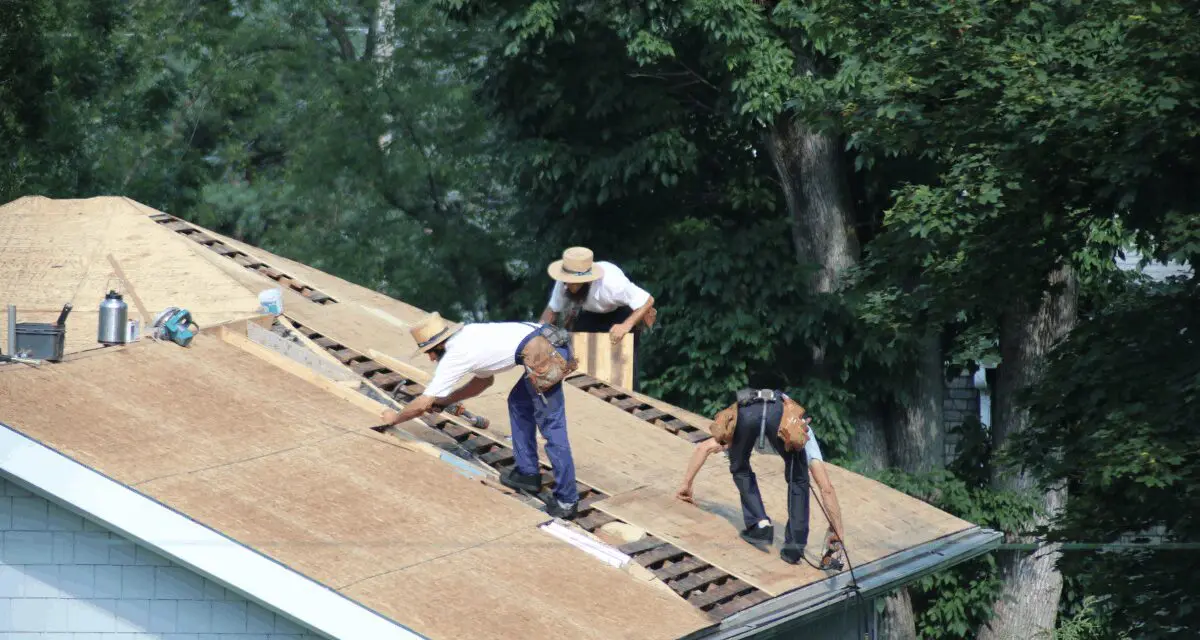
The idea of the Amish using a technology like solar panels seems to contradict the lifestyle many of us assume about their culture and society. But the Amish actually see solar power as a resource that aligns perfectly with their dedication to independence, self-reliance and self-sufficiency. What the Amish shun are things like the power grid or the Internet. They are determined to remain free of networks and any dependence on outside influences or connections. Solar power actually fuels that independence and they have embraced it across a variety of uses.
The first use of solar by the Amish goes back to the way they would paint their water barrels, rain barrels and water towers black.
The black paint absorbed the rays of the sun keeping the water ice free in winter and warm in summer. They would also give off stored heat at night to keep a greenhouse warm in cold weather.
It was a very passive example of how to use the sun for a benefit but it’s curious to note that they embraced it going back hundreds of years ago.
It was in the 1980’s when commercially available solar panels first emerged that the Amish began to use them. The first efforts involved simply charging a 12-volt battery to power simple light fixtures, small fans, and other small appliances.
As time went on they expanded their use of solar and the number of panels to increase their solar power generation capability to power tools, water pumps, and larger appliances. Solar generators emerged as a way to store and manage the power.
Today they have even adapted solar power to power their previously horse-drawn buggies and to provide power to equipment like large circulating fans and lighting in their barns and sheds.
The Amish are known for their furniture making skills and solar generated power allowed them to power large equipment for furniture making in their workshops including table saws, planers, drill presses and other heavy equipment used for furniture making.
We’re going to cover the many uses that the Amish have found for solar power and some of the basic equipment they install to make it all work.
Lighting
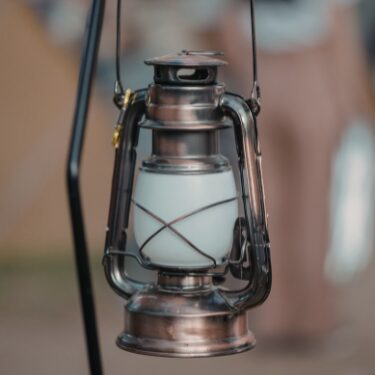
Traditionally, the Amish d oil or kerosene lamps for lighting. The fuel had to be purchased; the lamps sometimes gave off fumes and were always a fire hazard. Solar power changed all of that as battery banks and solar generators collected and stored the power. The old fuel lanterns were replaced with LED lighting often appearing in lantern shaped fixtures.
Jut as important were solar powered flood lights that lit up the interiors of barns, sheds and greenhouses or wide expanses of a pasture, yard or driveway.
Individual solar lights helped to illuminate dark areas around gates, doors and paths and most automatically turned on at night or would turn on whenever motion was detected.
Refrigeration
The old Amish solution for refrigeration was propane powered refrigerators. Once again, they had to buy the propane cylinders from time to time and solar power gave it to them free.
Solar refrigerators tend to be smaller than their electric cousins and are designed for efficiency in terms of insulation, but if there are enough solar panels and a grouped battery bank there’s more than enough power for refrigeration.
Solar Water Pumps

Hand pumps were the norm on many Amish farms, and they still use them, but solar has stepped up to pump water from ponds and rivers to the homestead, to pump water up and into a water tower or out to the house. Solar pumps are also used in basement cisterns to pump water up to the kitchen and bathrooms and as sump pumps. Gone were the days of the outhouse as solar pumps kept toilet tanks full and even supplied enough water for washing machines, dishwashers and kitchen faucets.
And yes, the washing machines and dishwashers were powered by solar although many Amish still do those chores by hand.
On a side note, many Amish farms still use traditional windmills to pump water up to their farms, gardens, homes and barns.
Solar Sheds and Workshops
The Amish still use hand tools to a large degree, but there are some tasks that are performed more accurately and easily with machinery and equipment. Solar panels on the roof of a shed or workshop powered furniture making equipment, log splitters, air pumps, hand tools, lighting and any other powered tools. They also provided power for lighting in the shed or workshop and powered ventilation fans.
This gets back to another great thing about solar power. It is highly portable and even the most remote locations can have power with a few solar panels.
Solar Barns
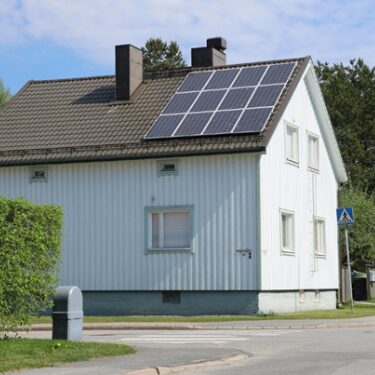
There are few Amish farms without a barn and from the tools needed for barn raising to all of the equipment to take care of livestock, lighting, water pumps for cattle troughs, ceiling fans above and in the roof for ventilation, and anything else in the barn that needed power – solar was the power source.
Solar Electric Fences
Sometimes livestock need a reminder, and a low-voltage electric fence gives them a gentle reminder to stay put. An electric fence was usually out of reach for a society that shunned commercially generated electricity, but solar power not only gave them the autonomy to power an electric fence, but it was free.
Occasional solar panels along the length of fence charged a battery that kept the fence electrified.
Solar Grain Dryers
Solar power also kept ventilation fans and low temperature heat in a silo to accelerate and evenly dry stored grains. It could even power a blade to mix and distribute the grain in a silo to ensure even drying. This was especially valuable in winter and spring when moist grains could clump or succumb to fungus.
Solar Pastures
Solar panels work best when given a full, southern exposure. When there wasn’t any more room on the roofs the Amish turned to solar pastures. An array of solar panels shared the pasture with the sheep and the goats and if elevated high enough would allow the livestock to still feed below the panels.
Solar Powered Buggies and Bikes
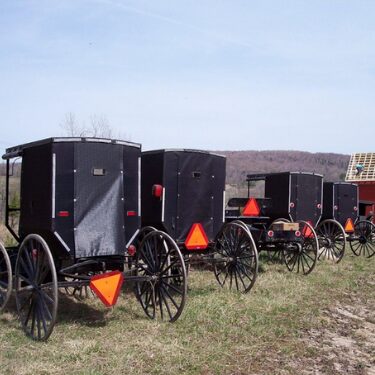
Here again, it seems to contradict the Amish tradition to talk about solar buggies but the whole reason for the horses was to continue to maintain that distance and dependence from the outside world. A solar powered buggy is consistent with that philosophy and once again it saved money on the cost of numerous horses (they always keep a few); horse feed and other costs related to total dependence on “horse power.”
Electric bikes have also emerged as a popular form of transportation once again replacing the need for a horse. The electric bikes are popular with all ages in an Amish family and are of course recharged with solar power.
The Solar Outhouse
Imagine an outhouse with running water, a flush toilet, a functioning sink and heat in the winter. Solar panels on the roof powering a water pump and small heater make that all possible. It may seem redundant if there is a flush toilet in the house powered by solar, but many Amish farms are spread across large tracts of land. Everything gets easier when you don’t half to walk a half a mile to go to the bathroom. Any outhouse can be set up anywhere but a solar outhouse in a pasture is a luxury.
Solar Water Heating
Solar water heating often shows up on the roof next to solar panels. It usually consists of a series of black pipes that circulate water to a holding tank that releases hot water on demand.
These rooftop solar water heating setups then use gravity to deliver the hot water to kitchens, bathrooms and laundry rooms.
The Water Freedom System uses such a simple solar panel to pull moisture straight out of the air and turn it into clean, drinkable water.
The good news is, you don’t need a massive or expensive solar array to make it work.
Right here, you can find all the details on the exact type of solar panel you’ll need (trust me—it’s cheap and simple to set up), along with the other components that allow the system to generate 20–30 gallons of water every single day.
The same principle powers my favorite portable generator, which I also built at home using the step-by-step plans available on this page.
From the start, it’s important to point out that this is a backpack-sized water generator. That means it’s compact, lightweight, and easy to carry wherever you go. Naturally, the solar panel it requires is also small and portable.
Here is the full plan, based on the very same techniques the U.S. military has used for years on dry, hostile battlefields across the world.
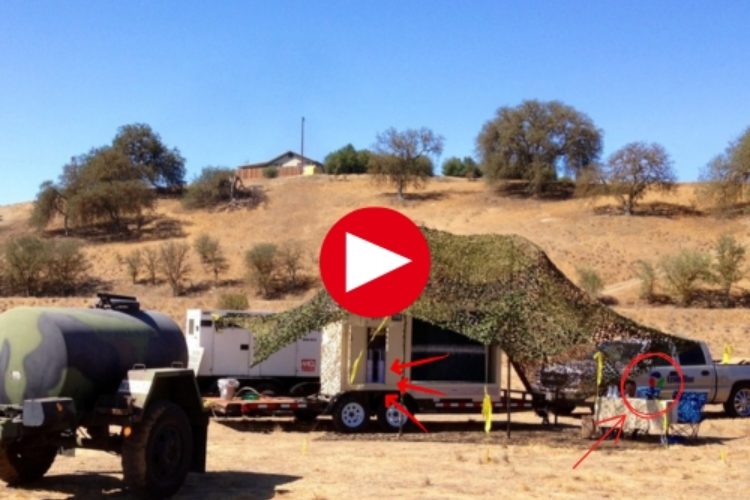
Every watt of solar power you generate means one less drop of gasoline you’ll ever need.
Solar Cooking
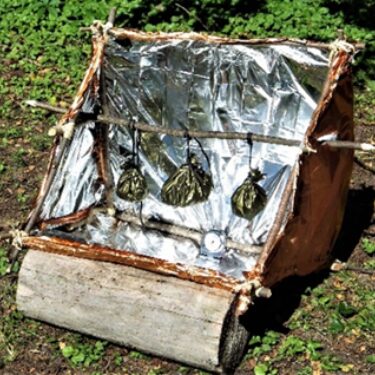
It’s easy to improvise a solar oven or you can buy them online and the Amish would often use a solar oven setup to slow cook foods, soups or stews. Think of it as the first slow cooker. On a hot day with direct sunlight hitting the solar oven at a 90 degree angle the temperatures can get up to 250 degrees F. (121 degrees C.). That’s more than enough to boil water.
Getting Started with a Basic Solar Power Setup
There are solar kits sold online that include solar panels, a control board and solar generators or batteries. You may also need AC inverters that convert the DC power in batteries for AC powered equipment and appliances.
The roof is a common location for solar panels or supported on the ground. The critical success factor is consistent exposure to the southern sky. The sun travels across the southern sky all year. Some supports are adjustable to change the angle as the sun traverses lower in the sky in winter and higher in the sky in summer.
How many panels you need is proportional to your energy needs. Do the math and estimate the wattage you will be using and think about the wattage generation of your panels on an hourly basis and your storage capacity.
Wattage on solar panels ranges from 75 watts to 200 watts per panel per hour. You then need to calculate the average amount of sunlight you will get remembering that days are shorter in winter and longer in summer. There’s also the cloud factor. Solar panels will still capture a charge on a cloudy day, but not as much as they would in full sun. There are many articles and videos on the Internet that can help you with various calculations.
Learn More Amish Secrets
Many of these powerful tips come straight from The Amish Ways Book– a rare, physical guide packed with hundreds of proven survival strategies rooted in Amish tradition.
In the book, you’ll also find many other secret Amish tips and techniques that could save your life in a crisis.
For the first time ever, this 200-year-old wisdom is available in a beautifully made hardcover edition, authored by Eddie Swartzentruber, a man who spent 16 years living within the Amish community and learning their way of life first-hand. You can grab your own copy today and claim 3 FREE BONUSES using my exclusive 76% discount coupon right here.
These time-honored techniques have helped the Amish thrive off-grid and remain resilient in the face of societal collapse. Don’t wait for disaster to strike. Start mastering these skills today!
Here’s how the amish heat and cool their homes without electricity!
Upgrade as You Go
Start small and basic and increase your panels and storage capability over time. You’ll probably find that once you get into solar power you will start to see more and more applications, and you can increase the size of your setup as you go.
The Amish have learned the solar lesson well and it’s a wise decision for anyone dedicated to a sense of self-sufficiency, sustainability, and independence.
You may also like:
DIY Solar Food Dehydrator from Pizza Boxes and Aluminum Foil
How To Build An Electricity Free Fridge (Video)
Solar Panel Mistakes That Could Kill You
8 Solar Powered Items You Should Have on Hand