Cheese used to be simple.
Milk, salt, time, and care.
Today, many products sold as “cheese” barely resemble it. They melt strangely, taste flat, and leave a waxy feeling behind. Most people sense something is off, even if they cannot explain why.
Learning to spot fake cheese is not about becoming suspicious of every label. It is about reconnecting with what real food looks, smells, and tastes like.
Your senses already know more than you think.
Start With the Ingredient List
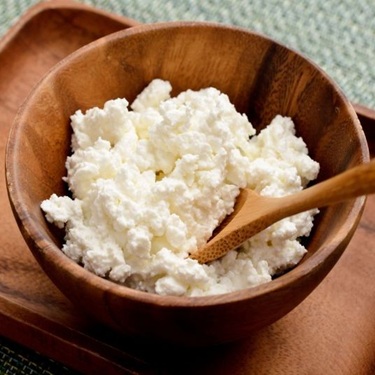 Real cheese has a short ingredient list. Often just milk, cultures, rennet, and salt.
Fake cheese needs a lot of help to exist.
If the label lists vegetable oils, modified starches, emulsifiers, artificial colors, or flavor enhancers, you are not holding real cheese. You are holding a processed imitation designed to look and behave like cheese without actually being cheese.
A good rule is this: if you need a chemistry background to understand the ingredients, the cheese is fake.
Another clue is the ingredient order. In real cheese, milk comes first. In fake cheese, oils or water often lead the list, with dairy appearing later as a minor ingredient.
Over time, learning how to read ingredient lists becomes intuitive. You stop scanning for danger and start recognizing simplicity, which is often the clearest sign of authenticity.
When Food Becomes Confusing, Returning to Plants Brings Clarity
When modern food becomes difficult to recognize, many people feel disconnected from their own instincts. Labels grow longer. Ingredients grow stranger. And the quiet confidence of knowing what nourishes you begins to fade.
Traditional herbal knowledge never relied on factories or packaging. It relied on observation, simplicity, and trust in the natural world.
Forgotten Home Apothecary gently restores that way of seeing. It teaches how to recognize what is real, supportive, and nourishing by reconnecting you with plants that have served humanity for generations.
Inside, you will learn:
- How traditional cultures identified real nourishment without labels
- Which wild and cultivated plants support digestion and mineral absorption
- How to prepare simple remedies using ingredients that remain recognizable
- Why processed foods often disconnect us from hunger and fullness signals
- How working with plants rebuilds trust in your body’s responses
When you learn to recognize real food, you also learn to recognize what your body truly needs. That awareness grows quietly, but it changes everything.

Watch How It Melts
Melting reveals the truth and it does it fast.
Real cheese melts unevenly. It bubbles, stretches, and sometimes separates slightly because milk fat and protein are alive and complex.
Fake cheese melts into a smooth, plastic-like puddle. It spreads perfectly, does not brown, and often refuses to stretch or break. This uniform behavior comes from stabilizers and oils, not dairy.
If it melts the same every time, in every condition, something natural has been replaced.
Also pay attention to smell while melting. Real cheese releases aroma as it warms, filling the kitchen with a familiar, comforting scent. Fake cheese often smells faintly oily or barely smells at all.
Cooling tells another story. Real cheese firms up irregularly after melting, while fake cheese often resets into a rubbery sheet, as if it never truly transformed.
Notice the Texture When Cold
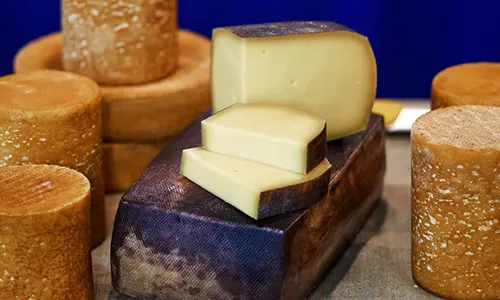 Break or cut the cheese when it is cold.
Real cheese resists slightly, then breaks with an irregular edge. It may crumble, tear, or bend depending on age and type.
Fake cheese often feels rubbery or spongy. It bends without breaking, snaps cleanly, or feels oddly elastic. That texture comes from starches and binders designed to mimic firmness without fermentation.
Remember that your hands can feel what labels are trying to hide.
Temperature often reveals texture more honestly than appearance so pay attention to any odd changes.
If the cheese feels identical no matter how long it sits out or how cold it becomes, its consistency is likely manufactured.
Pay Attention to Smell and Taste
Real cheese smells alive. Even mild cheeses carry a dairy scent that deepens as they warm.
Fake cheese smells flat or oddly neutral. Sometimes it smells faintly oily or artificial, even before heating.
On the tongue, real cheese changes. It develops, lingers, and finishes with depth. Fake cheese delivers one note and disappears, often leaving a coating behind rather than a flavor.
Real cheese also interacts with saliva differently. It dissolves, softens, and evolves as you chew. Fake cheese does not.
If you feel thirsty or heavy after eating it, that is often your body responding to additives rather than nourishment.
Look at Color and Uniformity
Nature does not do perfect.
Real cheese varies in color. There may be slight differences from edge to center or from slice to slice, especially in traditionally made cheeses.
Fake cheese is flawless. The color is identical everywhere, often unnaturally bright or pale. That uniformity is manufactured, not cultured.
When food looks too consistent, it usually is.
Real cheese may deepen or shift in color as it ages.
If a cheese looks the same month after month, year after year, something has been removed from the process.
Understand the Misleading Wording of the Labels
Many fake cheeses hide behind careful wording.
Phrases like “cheese product,” “cheese food,” “cheese-style,” or “processed cheese” are signals, not guarantees. They exist to meet legal definitions while avoiding real dairy standards.
True cheese does not need to explain itself.
Labels often rely on imagery to compensate for low quality ingredients. Pictures of cows, farms, or rustic barns on the package do not change what’s inside.
Why Spotting Fake Cheese Matters More Than Taste
Fake cheese is not just disappointing. It often replaces dairy fats with refined seed oils, adds stabilizers that strain digestion, and removes the beneficial compounds created through fermentation.
For children, the elderly, and anyone with sensitive digestion, these substitutes can cause issues that are blamed on “dairy intolerance” rather than processing.
Fermentation creates enzymes and beneficial bacteria that support digestion and mineral absorption. When that process is skipped, the food may look similar but it will behave very differently once inside the body.
When Real Food Disappears From Shelves, Preservation Becomes Power
One reason fake foods spread so easily is because real food no longer fits modern systems. It requires care, time, and proper storage.
When you understand how to preserve food yourself, you are no longer dependent on what stores decide to offer.
Easy Cellar was created for people who want real food to remain available in their homes, not just as a specialty purchase, but as a steady presence.
Inside this guide, you’ll discover:
-
How traditional households stored dairy, fermented foods, and whole ingredients
-
Ways to extend the life of real foods without preservatives
-
How cool storage, timing, and rotation protect flavor and nutrition
-
Why proper storage reduces reliance on processed substitutes
-
Simple cellar and pantry principles that work even in small spaces
When real cheese, butter, and fermented foods are preserved correctly, they don’t need to be replaced by imitations. They remain what they were meant to be.
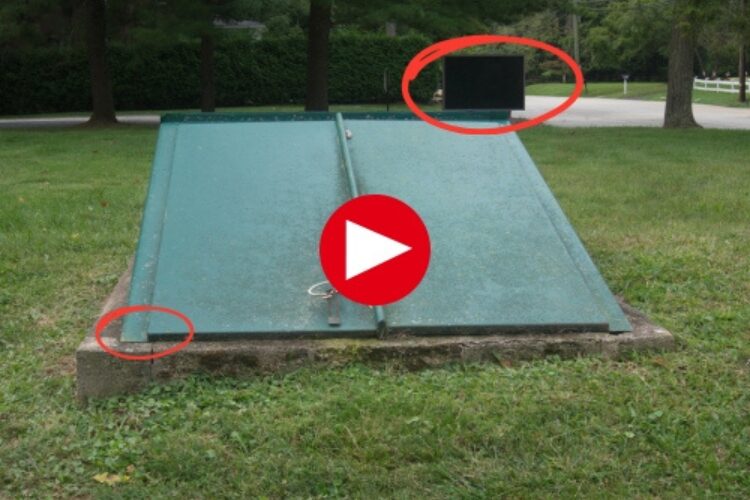
Check out the video below to learn how to create a perfect root cellar:
A Gentle Way Forward
When buying cheese look for local producers, traditional methods, and simple ingredients. Let cheese return to being something valued, not something engineered.
Your body recognizes real food. It always has and it always will.
How Traditional Communities Avoided Fake Food Entirely
Fake cheese is not a modern invention. It is a modern response to distance — distance from food, from land, and from responsibility.
Communities that stayed close to their food never needed substitutes.
The Amish Ways Book offers insight into how real food was protected simply by the way life was lived. Nothing was rushed. Nothing was over-engineered. And very little was wasted.
In this book, you’ll learn:
-
How traditional households produced and sourced real dairy and fermented foods
-
Why short ingredient lists were the norm, not the exception
-
How local production eliminated the need for stabilizers and fillers
-
The role of patience, timing, and routine in food quality
-
Why simplicity often creates the most reliable nourishment
These practices were not about trends or purity. They were about survival, stewardship, and care for the body over a lifetime.
Learn more about Amish ways to spot fake food here!
You may also like:
How To Preserve Foods In Honey
Cheap and Easy to Build Root Cellar in Your Own Backyard (Video)
How To Wax Cheese For Long Term Storage
Ingenious Ways To Preserve Cheese At Home
Fermented Foods for Gut Health: A Prepper’s Guide to Building Immunity and Self-Sufficiency