When you begin preserving your own food, it’s natural to wonder which tools truly belong in your home. Two names come up again and again: freeze dryers and dehydrators. Both promise long-lasting food. Both are used by homesteaders, gardeners, and families focused on resilience. Yet they serve very different purposes.
Understanding the difference between a freeze dryer vs dehydrator isn’t about choosing the best machine. It’s about choosing the right one for your lifestyle, your space, and your intentions.
Let’s look at them gently, side by side.
What a Dehydrator Does Best
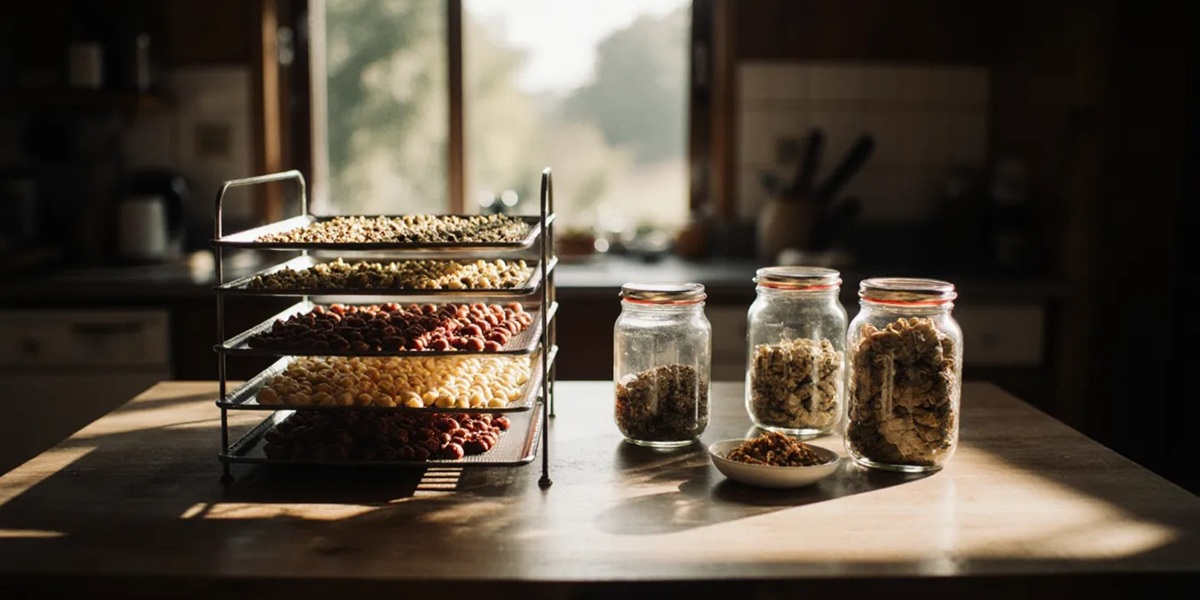
A dehydrator removes moisture using warm air and time. This slow drying process has been used for centuries long before electricity existed.
Dehydrators excel at drying fruits, vegetables, herbs, and meats while keeping the process simple and approachable. They allow you to preserve food as it comes, without needing complicated preparation or specialized packaging.
Another strength of dehydrators is their flexibility. You can dry small batches today and larger harvests tomorrow. They adapt well to garden rhythms, letting you work at the pace of your land rather than forcing everything into one large preservation session.
Because dehydrators rely on gentle heat, they encourage mindfulness. You learn to slice evenly, rotate trays, and check dryness by touch. Over time, this builds a deeper understanding of your food and how moisture affects storage.
For many self-sufficient homes, a dehydrator becomes part of daily life. Apples from the tree, herbs from the garden, extra zucchini from a neighbor, nothing goes to waste.
What a Freeze Dryer Offers
A freeze dryer works differently. Food is frozen first, then placed under vacuum so moisture is removed through sublimation, turning ice directly into vapor without passing through liquid form.
This method preserves food in a remarkably stable state. Fruits keep their shape. Meals hold their structure. Even delicate ingredients remain recognizable after years in storage.
Freeze dryers also allow you to preserve complete meals, not just ingredients. Soups, stews, casseroles, and cooked meats can all be stored in a way that makes future meals easier and faster to prepare.
Another benefit is predictability. Freeze-dried foods rehydrate quickly and consistently, which can be comforting in stressful situations. You know what you’re getting, even years later.
While freeze dryers require more planning, they offer a quiet kind of confidence. Food that waits patiently, untouched by time.
Freeze Dryer vs Dehydrator: Shelf Life Comparison
Shelf life is often the most discussed difference when comparing a freeze dryer vs dehydrator.
Dehydrated foods, when dried thoroughly and stored properly, can last from one to five years. This makes them ideal for rotation, everyday cooking, and seasonal eating.
Freeze-dried foods, on the other hand, can last decades when sealed in oxygen-free packaging. This level of longevity makes them especially appealing for long-term storage and emergency preparedness.
But shelf life isn’t just about years on a label. It’s also about how often you will actually use the food. A pantry full of dehydrated apples that gets eaten yearly may serve you better than freeze-dried meals that never get opened.
Both methods offer security, just in different timeframes.
Flavor, Texture, and Use in Daily Life
Dehydrated foods develop deeper, concentrated flavors. Fruits become chewy and sweet. Herbs intensify. Vegetables take on a hearty texture perfect for soups and stews.
This style of preservation feels rooted and traditional. It connects directly to old-world kitchens where food was dried near stoves, in attics, or under the sun.
Freeze-dried foods feel lighter and closer to fresh. Fruits remain crisp. Meals rehydrate quickly and evenly. This can be especially helpful when time, water, or fuel is limited.
Some families prefer the warmth of dehydrated foods. Others appreciate the convenience of freeze-dried meals. Many find room for both, depending on the season and situation.
Cost, Energy, and Practicality
A dehydrator is usually affordable, energy-efficient, and easy to store. It fits well into small kitchens and off-grid setups.
Because dehydrators use lower energy and simpler mechanics, they are often more resilient in the long run. Fewer parts mean fewer things to repair or replace.
Freeze dryers require a higher upfront investment and more electricity. They also take up more space and require planning for packaging and storage.
That said, many households view freeze dryers as a long-term tool, something that serves future generations as much as the present one.
Which One Is Right for You?
When deciding between a freeze dryer vs dehydrator, the most important factor is how you live.
If you enjoy working with fresh harvests, cooking often, and rotating food regularly, a dehydrator may feel like a natural companion.
If your focus is long-term security, emergency readiness, or preserving complete meals, a freeze dryer may align better with your goals.
Some families start with a dehydrator and later add a freeze dryer as their confidence and needs grow. There is no rush, and no single correct path.
Self-sufficiency is built gradually, through tools that support your rhythm, not overwhelm it.
Learning From the Old Ways
Long before machines existed, families preserved food using patience, observation, and simple methods passed down through generations.
These older approaches remind us that technology is helpful, but knowledge is essential. Understanding why something works matters just as much as owning the tool itself.
If you are drawn to simpler, time-tested systems of living and preserving food, it may be worth learning how earlier communities thrived without modern convenience.
One gentle way to explore this mindset is through The Amish Ways Book, which focuses on self-reliance built through habit, not dependency.
Inside, you will discover:
- Traditional food preservation methods that do not rely on electricity
- How to build routines around food storage instead of reacting to shortages
- Practical kitchen wisdom passed down through generations
- A slower, steadier approach to self-sufficient living
These lessons pair beautifully with both dehydrators and freeze dryers, grounding modern tools in old wisdom.
The Amish Ways Book is available at a special discount for Self-Sufficient Projects visitors HERE!
Final Thoughts
Food preservation isn’t about fear. It’s about care. About honoring harvests, reducing waste, and knowing your home can provide when needed.
Whether you choose a freeze dryer, a dehydrator, or both, you’re building something steady and lasting. And that, in itself, is a form of resilience.
Sometimes the best choice isn’t the most advanced one. It’s the one you’ll actually use, consistently, calmly, and with intention.
You may also like:
10 Fruits And Veggies To Dehydrate For Long-Time Storage
DIY Projects You Need Before Winter (Video)
10 Foods That Last Longer If Dehydrated
How To Grow Potatoes In ONLY LEAVES
Shelf-Stable Foods That Kept Coal Miners Alive During the Great Depression