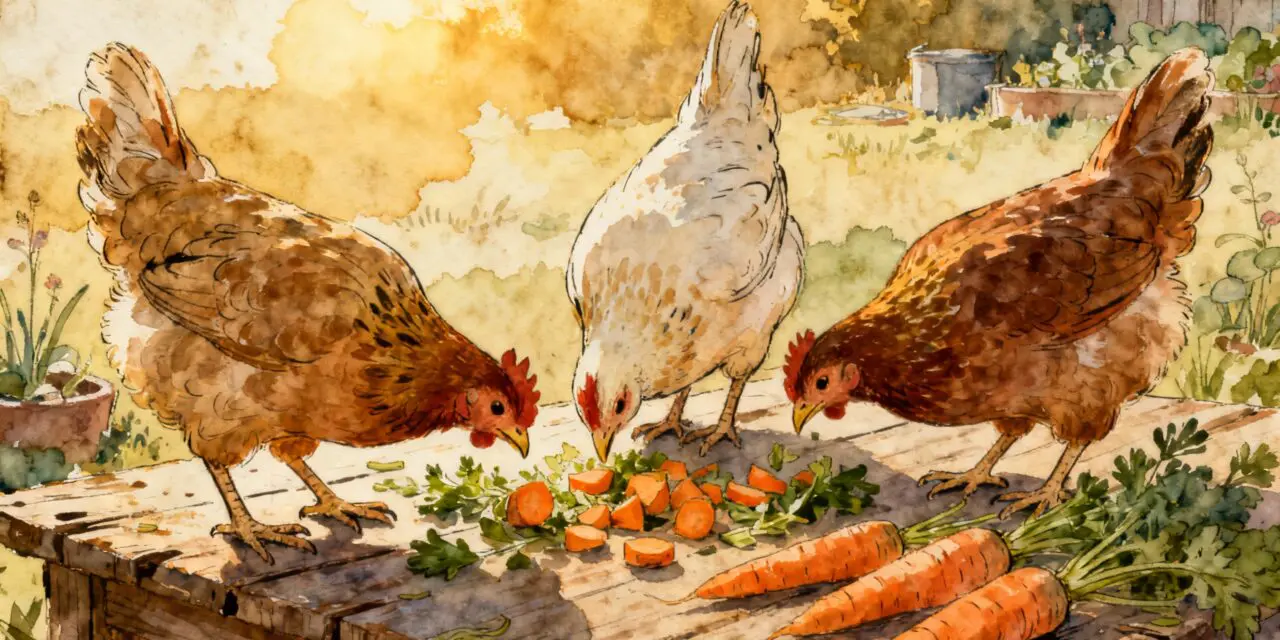
When you raise chickens, you quickly learn that a healthy flock starts with a varied diet. Fresh kitchen scraps can be a wonderful supplement to their grain, especially when those scraps come straight from the garden. Among the most common vegetables to find in the kitchen is the humble carrot. The question is simple: can chickens eat carrots?
Yes, they can. Carrots are safe and nutritious for chickens. In fact, they offer a range of benefits that support overall health and egg production. Like most foods, though, they are best served properly prepared and in moderation.
Why Carrots Are Good for Chickens
Carrots are packed with nutrients that help chickens thrive. Beta carotene is the most well known. The body converts it into vitamin A, which supports good vision, a strong immune system and high quality plumage. It also plays a quiet but important role in reproductive health, meaning carrots may help with steady egg laying during stressful seasons.
Carrots also contain small amounts of vitamins K, C and B6, along with minerals such as potassium. These are helpful in maintaining bone strength, digestion and healthy muscle function. The crunchy texture of carrots offers a mild abrasive action as chickens peck and chew. This encourages natural foraging behavior and can help keep beaks trimmed.
Raw or Cooked
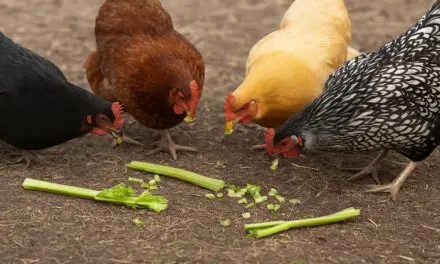
Chickens can eat carrots raw or cooked. Raw carrots are tougher and take longer to break down. Chopping or grating them makes things easier and prevents waste. Cooked carrots are softer and easier for younger birds or older hens to enjoy. Avoid adding salt, oils or seasonings. Keep carrots as close to their natural state as possible.
Carrot tops are also safe. Many gardeners toss them aside, but chickens enjoy the leafy greens and benefit from a quick boost of minerals and fiber. Just wash away any dirt before feeding.
How Much Is Too Much?
Carrots should be a treat, not the main course. A balanced chicken diet still depends on high quality feed that supplies complete protein. Root vegetables contain natural sugars, so too many can disrupt digestion and reduce their appetite for the feed they truly need.
A reasonable portion is what they can finish within 20 minutes, offered no more than a few times a week. Observe your birds. A treat should add variety and enrichment without replacing their core nutrition.
Chicken Carrot Feeding Tips
- Chop or shred raw carrots for easy pecking
- Offer cooked carrots after they cool fully
- Mix pieces into foraging piles to promote activity
- Wash away pesticides when using store bought carrots
- Remove anything uneaten before it attracts pests
A Note of Caution
Chickens are curious eaters, but their bodies are not designed for large amounts of hard foods. Avoid giving whole, firm carrots to small breeds or chicks. Hard pieces can pose a choking risk. For young birds, finely grated carrot is the safest option.
If any hen shows signs of digestive upset, stop treats temporarily and focus on their regular diet until things settle.
Carrots as Part of a Self Sufficient Flock
One of the quiet benefits of feeding garden vegetables is that nothing goes to waste. The greens, peelings and small damaged roots that might otherwise end up in the compost become fresh nutrition for your flock. Carrots are easy to grow in most climates and store well through the winter. That means you can feed your birds garden produce even when the ground is frozen.
Self reliance always begins with small choices. Growing a root that nourishes both your family and your animals is one of the simplest. Carrots make a wonderful addition to that cycle.
Final Thoughts
Chickens can absolutely eat carrots and benefit from the nutrients they offer. When you prepare them properly and serve them in modest portions, this garden staple becomes a healthy treat that supports strong feathers, steady laying and a lively flock. It is one more reminder that the best foods for animals are often the ones nature gives us freely.
Storing garden crops for your chickens matters just as much as storing food for yourself. Roots like carrots keep far longer underground than in any kitchen cabinet. A good root cellar protects harvests without electricity, chemicals or plastic — the same quiet, natural preservation our grandparents trusted.
If you want a simple way to store feed, vegetables and emergency supplies out of sight and safe from spoilage, the Easy Cellar shows you how to build one yourself, without expensive contractors or modern equipment.
👉 A hidden food reserve starts here, the old-fashioned way.
Because you never know when you need it!
You may also like:
How to Take Care of Your Livestock When They Are Sick (Video)
Best Automatic Chicken Coop Door Opener: Stress-Free Flock Keeping
The Best Homemade Chicken Coop Deodorizer