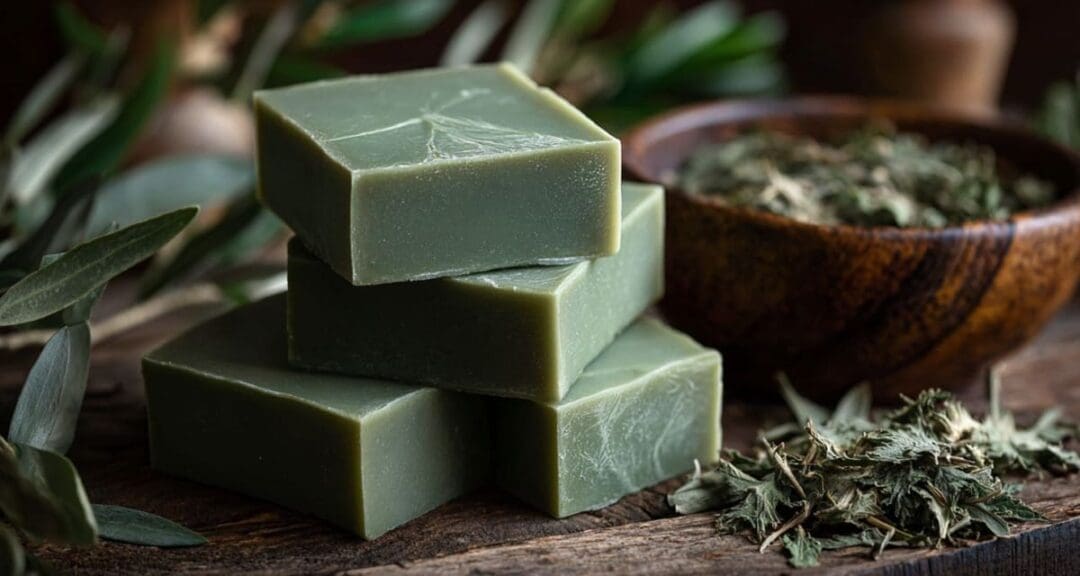
Stop uprooting Nettles! You probably remember just how much it stings, but did you know what it can actually do to your skin? Rich in silica, magnesium, chlorophyll, and trace minerals, nettle supports circulation, soothes dryness, and strengthens both hair and nails. It has long been valued for helping calm redness, irritated skin, and seasonal discomforts. When infused into soap, nettle leaves transform a daily wash into a natural remedy that protects and nourishes the skin.
Store bought soaps often rely on sulfates and synthetic fragrances. These ingredients strip natural oils from the skin, leaving it vulnerable. A handcrafted nettle soap cleanses differently, respecting the skin’s natural barrier instead of harshly removing it. Using the simple method below and a few ingredients, you can make a medicinal bar that supports both skin and self reliance.
If this return to simple, purposeful living speaks to you, The Amish Ways Book offers a deeper look into how traditional communities preserve health, skills, and resilience without modern dependency. It’s a gentle reminder that slowing down and working with nature often brings the strongest results. And it is available right now at a pretty big discount AT THIS LINK.
Why Nettle Is Medicinal for Skin
 Nettle contains plant compounds that act as gentle stimulants to the skin’s surface. These help improve circulation, which can support nutrient delivery and natural repair. The plant also contains anti-inflammatory properties, making it soothing for occasional flare ups like dryness, mild rashes, or irritation.
Because nettle is mineral rich, it pairs well with nourishing fats like olive or coconut oil. These oils act as carriers, helping the skin absorb the plant’s benefits more effectively. Unlike chemical exfoliants or scrub soaps, nettle works holistically through support, not abrasion. Its medicine is subtle and steady, the way nature intended.
Nettle is only one of many medicinal plants that have supported families for generations. If you want to expand beyond soap and learn how to prepare salves, tinctures, and remedies the old way, The Forgotten Home Apothecary is a wonderful place to begin. It gathers lost herbal knowledge into simple, practical guidance you can use at home. Details here!
Before You Begin: Fresh or Dried Nettle?
You can use either, but dried nettle is best for soap making. Dried leaves prevent excess moisture from interfering with the soap-making process a and help the soap cure properly. Fresh leaves may cause spoilage over time if not fully dried.
Related: How To Make Homemade Soap
To dry nettle at home:
- Harvest in spring or early summer.
- Hang upside down in a dry place out of direct sunlight.
- Once crisp, crumble gently and store in a jar.
If foraging is difficult, high quality dried nettle from an herbal supplier or health store works just as well.
Medicinal Nettle Soap: The Simplest Recipe
Ingredients:
- 10 oz olive oil
- 6 oz coconut oil
- 2 oz castor oil (optional for more lather)
- 2 tbsp dried nettle leaf, finely crushed
- 4.4 oz distilled water
- 2.1 oz lye, sodium hydroxide
- Optional: 8 to 10 drops lavender, rosemary, or tea tree essential oil
Step By Step Instructions:
STEP 1: Infuse the Oil with Nettle

Warm all oils gently in a pot on low heat. Add the crushed nettle and let it steep for 20 to 30 minutes on the lowest setting. Strain out the leaves.
STEP 2: Mix the Lye and Water
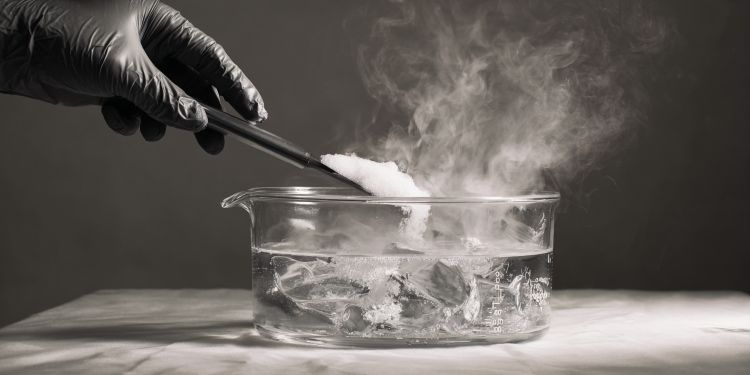 In a heat safe container, slowly pour lye into water. Never pour water into lye as it can react too fast and erupt upward. Let the mixture cool until it is close in temperature to the oil, warm but not hot.
STEP 3: Combine and Blend
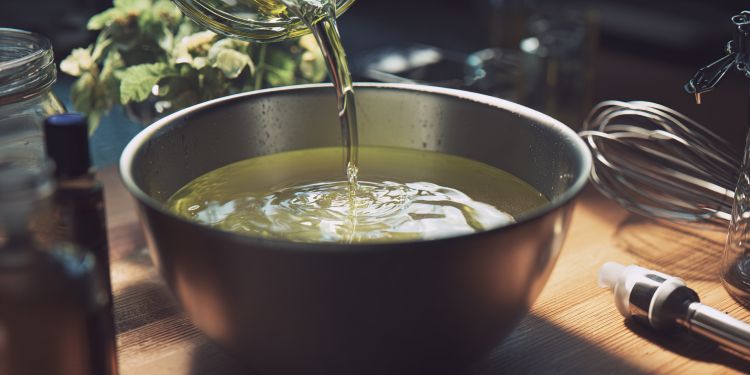 Pour the cooled lye mixture into the infused oils and mix with a stick blender until the mixture thickens slightly, known as trace. Add optional essential oils and stir gently.
STEP 4: Pour and Cure
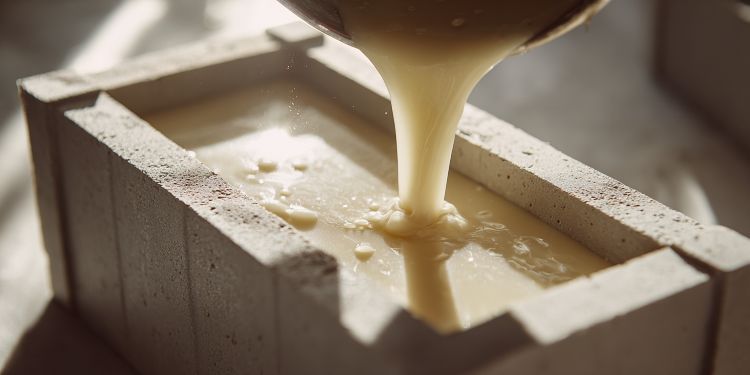 Pour into a mold, tap to remove air bubbles, and cover. Remove from the mold after 24 to 48 hours, then cure for 4 to 6 weeks in a dry, cool space.
How to Use Medicinal Nettle Soap
 This soap is gentle enough to use daily, especially on the hands, body, and scalp area. Its mineral content and mild anti-inflammatory nature make it especially supportive for dry skin, gardeners with frequent hand washing, aging skin, and anyone exposed to outdoor conditions.
Allow the bar to dry on a soap saver between uses. A well dried bar lasts significantly longer and maintains its medicinal benefits.
Because nettle supports circulation, it can be especially helpful when used with warm water. The gentle heat opens pores and allows minerals like magnesium and silica to better penetrate the skin. Those who struggle with rough patches on elbows, heels, or hands can benefit from letting the lather sit for one minute before rinsing.
For people with sensitive skin or mild irritation, try using the soap once a day at first, then increase use gradually if your skin responds well. If using it on the scalp, create a rich lather and massage gently before rinsing. Over time, nettle’s strengthening qualities can help support more resilient skin, especially in dry or winter conditions.
Tips for a Stronger Medicinal Bar
- For a deeper green soap, add a pinch of powdered spirulina to the infused oil.
- Use more coconut oil for a stronger cleansing bar, or more olive oil for extra nourishment.
- If you prefer mild exfoliation, add one teaspoon of finely ground nettle to the soap at trace instead of straining all of it out.
- To avoid irritation on sensitive skin, skip essential oils and keep it fragrance free.
 You can also make a stronger salve like soap by adding one or two teaspoons of shea butter or cocoa butter into the oil mixture before adding the lye. These rich botanical fats help lock in moisture and deliver the nettle’s benefits more deeply, which is especially useful for dry or mature skin.
Another way to boost the medicinal value is to steep the nettle longer, up to two hours on the lowest heat. Keep the heat very gentle and stir occasionally. Slow infusion allows more minerals and chlorophyll to transfer into the oils, creating a richer color and a stronger skin nourishing bar.
Skills like soap making are part of a much bigger picture: food security, land stewardship, and true independence. If you’re interested in growing your own food, raising animals, and building a more resilient lifestyle from the ground up, My Survival Farm offers practical guidance to help you reconnect with self-sufficient living. You can learn things like:
- How to plant over 125 plants inside your permaculture garden.
- How to set up highly nutritious soil for your plants.
- To to “marry” your plants.
- The best perennials you can plant every year.
- The plants that are natural fertilizers.
- How to make organic fertilizer.
- How to grow 50+ medicinal plants.
Get your copy of My Survival Farm with the Self-Sufficient Projects official discount below:
Buy My Survival Farm (2 Free Bonuses Included)
Final Thoughts
Nettle has long been misunderstood as a nuisance plant, yet it offers restorative support that modern skincare tries to imitate with synthetics. Making medicinal soap is not about crafting perfect beauty bars but about soothing your skin the way our grandparents did, with simple ingredients and zero chemicals. With only a handful of ingredients and basic kitchen tools, this recipe allows you to create a natural cleanser that respects both your skin and the environment.
You may also like:
The Soap That Might Be Growing In Your Backyard
Add This To Your Stockpile To Increase Its Shelf Life (Video)
DIY Anti-Microbial Laundry Soap
Don’t Throw Away Spoiled Milk! Do This Instead!
Big Mason Jars: The Self-Sufficient Kitchen’s Best Friend














1