
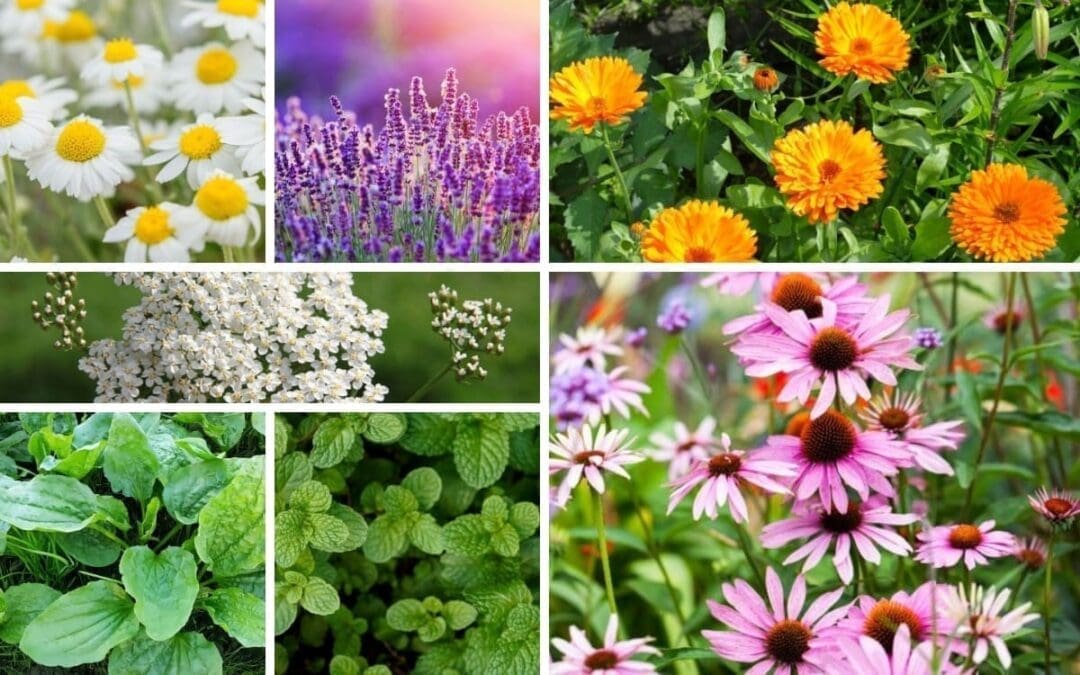
Let’s face it, when a disaster strikes, you can’t always rely on your local pharmacy being open or well-stocked. But what if you had a mini pharmacy growing right in your backyard?
Sounds a bit far-fetched, right? Actually, it’s not. Stockpiling medicinal seeds is one of the smartest ways to prepare for the unexpected. Dried herbs and supplements are great, but they also lose a lot of potency over time. Seeds, on the other hand, are much easier to store and allow you to grow fresh medicinal plants when the time comes.
If you want to make sure you’re not only growing these plants, but actually turning them into working medicine, the smartest move is to learn how to use them properly, with clear instructions for tinctures, salves, poultices, teas and oils. A good herbal resource should help you:
- Identify medicinal plants accurately
- Know which parts to harvest and when
- Make safe remedies step-by-step
- Store them long-term without losing potency
Learning the skills now means a true pharmacy without dependency.
Recommended resource: Medicinal Garden Kit (also comes with a manual on how to grow your garden)
Calendula
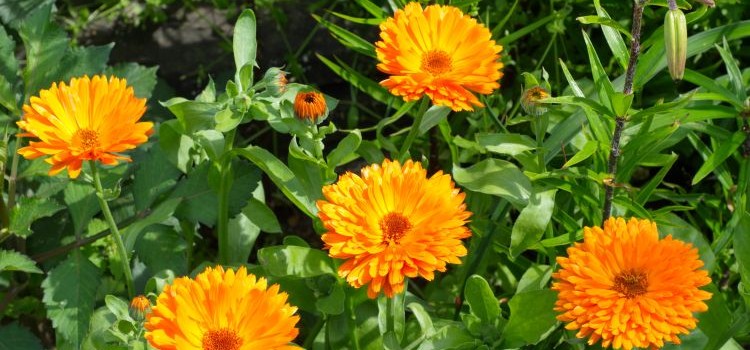 Calendula is one of those plants you absolutely want in your medicinal seed stash. Its soothing, antifungal and anti-inflammatory benefits make it perfect for cuts, burns, cracked skin and rashes.
Calendula is easy to grow, loves full sun, and practically takes care of itself. Once blooming, you can dry the flowers and make salves, oils and balms. A reliable herbal guide teaches you how to make long-lasting remedies, not just garden pretty flowers.
If you’re building a self-reliant household, mastering simple medicines like calendula is just the beginning. The Amish Ways Book shows how people live resourcefully every day: cooking, preserving, and healing without relying on stores or fragile systems.
- Traditional herbal use in daily life
- Simple skill-based living that still works today
- Quiet self-reliance that doesn’t depend on modern supplies
A lifestyle that supports your medicines, instead of buying replacements. More details here!
Chamomile
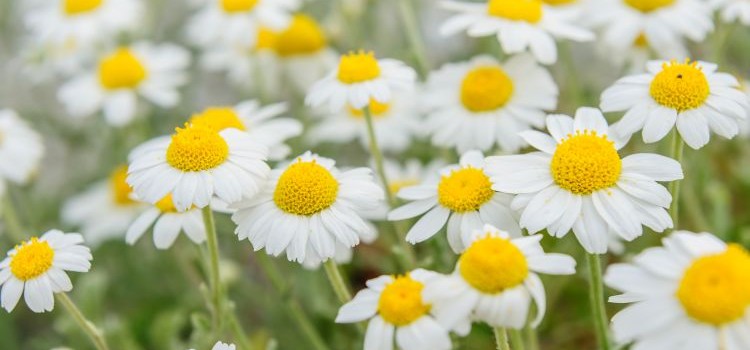 Chamomile is a tiny, daisy-like flower that comes packed with medicinal benefits that go far beyond just helping you unwind. It’s great for soothing upset stomachs, reducing stress, and even helping with skin issues like eczema or minor irritations.
Growing chamomile is a breeze. It’s not too picky about its environment, though it thrives the best in well-drained soil and sunny spots. You can start the seeds indoors in early spring and then transplant them outside, or you can just sow them directly once the danger of frost is gone. Then they’ll bloom throughout the summer.
The beauty of chamomile is in its versatility. You can dry the flowers for tea to help with everything from insomnia to digestive issues. To make a basic tea, just steep a tablespoon of dried chamomile flowers in hot water for about 5–10 minutes. If you’re dealing with skin problems, a chamomile compress or bath can help soothe inflammation or rashes. You can even infuse the flowers in oil to create a calming balm for irritated skin.
Echinacea
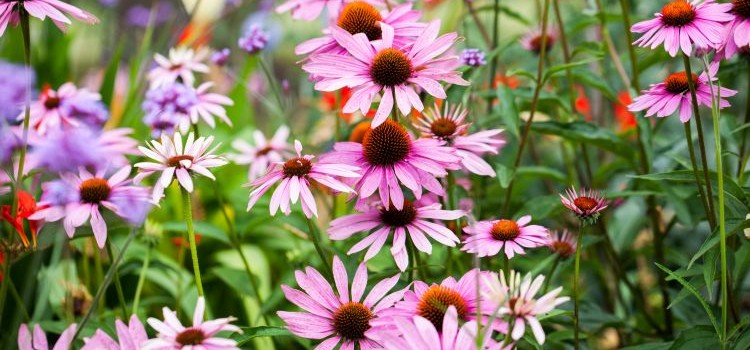 Echinacea is a powerhouse when it comes to boosting the immune system. It’s one of the most useful plants you can grow for colds, infections, and general sickness.
It’s also easy to grow and comes back every year. The roots, leaves, and flowers can all be used, but they must be harvested correctly. A survival-focused perspective on herbs helps you avoid waste and maximize the strength of your remedies.
That’s why pairing medicinal plants with survival skills matters. The Wilderness Survival Guide is perfect here because it teaches practical, hands-on techniques for staying healthy, fed, sheltered and safe — without products, stores, or electricity.
- How to survive off the land
- Make first-aid remedies in the wild
- Find and use natural resources wisely
Because herbs alone aren’t enough if everything else falls apart.
The Wilderness Survival Guide is available at a discount right now at this link!
Lavender
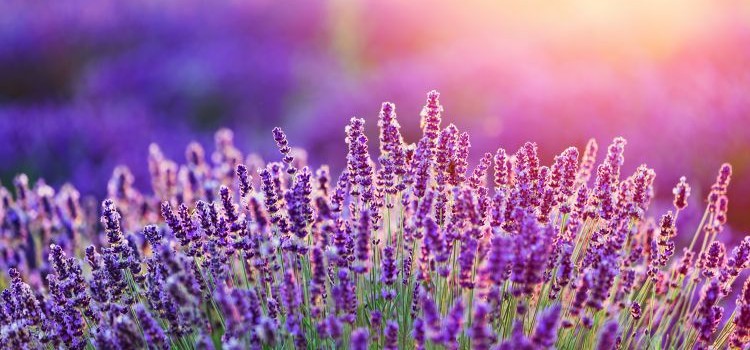 Lavender isn’t just a pretty plant that smells nice. It’s also a serious multitasker when it comes to medicinal uses. It’s been used for centuries to help with everything from anxiety and insomnia to treating burns and infections.
Growing lavender can be a bit picky depending on where you live, but it’s totally worth the effort. It loves soil that is well-drained and lots of sunlight, so it thrives in warmer, drier climates. Start the seeds indoors in late winter, and once the seedlings are strong enough, transplant them outside in the spring.
One of the most common uses for lavender is to make it as an essential oil, which is fantastic for soothing stress, promoting sleep, and even helping with headaches. You can make lavender-infused oil by steeping the flowers in a carrier oil like olive oil, which is great for burns, bug bites, and minor skin irritations.
Peppermint
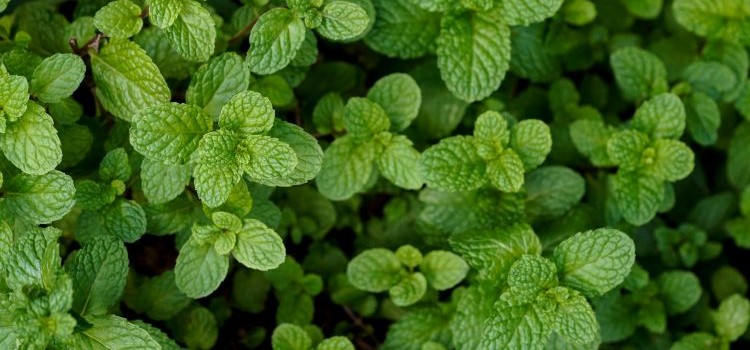 Peppermint is not just for making tea or flavoring desserts. It also has powerful medicinal properties that make it a survival essential. It’s known for its ability to soothe upset stomachs, ease indigestion, and relieve headaches.
The great thing about peppermint is that it’s incredibly easy to grow, but you’ll need to keep an eye on it since it spreads like wildfire. If you’re not careful, it can take over your garden. The best way to manage peppermint is to grow it in pots or confined areas where it won’t invade everything else. It loves partial sun and moist, well-drained soil.
Medicinally, peppermint is most commonly used in teas or oils. To make peppermint tea, simply steep fresh or dried leaves in hot water for about 10 minutes. This will be fantastic for relieving digestive discomfort, gas, and bloating. Alternatively, for relieving headaches or muscle tension, you can make a peppermint oil infusion by steeping the leaves in a carrier oil and using it topically—just massage a bit of the oil into your temples or the back of your neck for quick relief.
Plantain
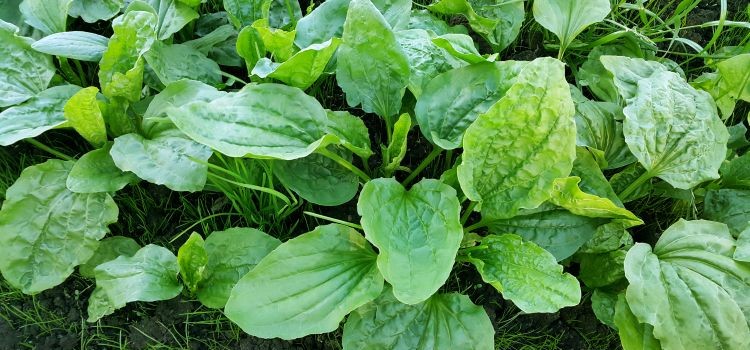 Plantain (not the banana-like fruit, but the medicinal herb) is one of the most underrated and yet incredibly useful plants that you can add to your survival seed collection. This little plant is a natural remedy for cuts, wounds, bug bites, and even drawing out toxins like venom or splinters. It’s like a plant-based Band-Aid.
Plantain grows the best in disturbed soil, so it’s not picky about where it grows. It’s adaptable to a variety of conditions, including poor soil and shady areas. You can sow the seeds directly in the ground, and once it gets going, it’ll keep coming back.
As for using plantain medicinally, the leaves are where the magic happens. If you’re out and about and get stung by a bee or bitten by a mosquito, you can chew up a leaf (yes, it’s safe!) and apply it directly to the sting or bite for instant relief. For more prepared remedies, you can make a plantain poultice by crushing the leaves and applying them to wounds.
Yarrow
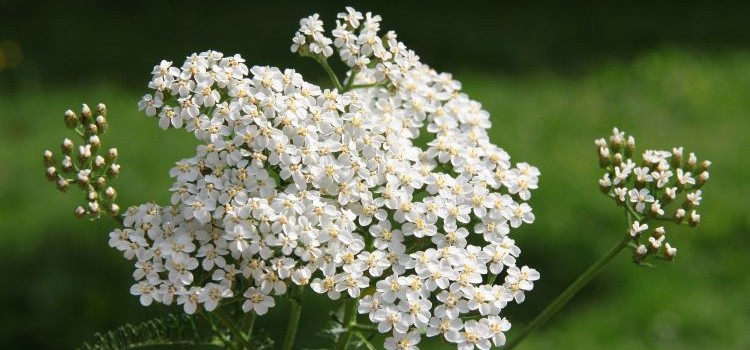
Yarrow is another must-have medicinal plant for any survival situation. It’s been used for centuries to treat everything from wounds and fevers to digestive issues.
Yarrow is easy to grow and incredibly hardy. It grows well in poor soil and is drought-tolerant. You can sow yarrow seeds in the early spring or fall, either directly in the ground or in pots. And once it’s established, yarrow will self-seed, meaning you’ll have a steady supply year after year without much effort.
The real value of yarrow comes when you need it in an emergency. If you get a cut or scrape, you can use the leaves and flowers to make a poultice, which helps stop bleeding and speed up the healing process. Just crush up some fresh yarrow leaves, apply them directly to the wound, and bandage it up.
Final Thoughts
Stockpiling medicinal seeds is a smart first step. But seeds alone don’t protect your family. Knowledge does. When you know how to grow these plants, use them correctly, and live in a way that doesn’t depend on outside help, you create something more valuable than a pantry or a garden.
You create self-reliance.
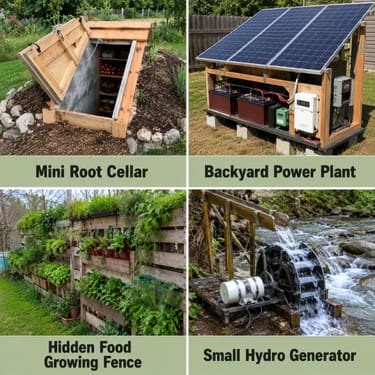
And why not take it to a new level? You will need a safe place to store your seeds, your canned foods, everything that you need for the long run. An underground cellar is perfect for this.

A well-designed underground cellar, such as the one described in The Easy Cellar, offers exactly the kind of protection you need.
Buried just a few feet under your backyard, this isn’t some “storm pantry” for a long weekend. It’s a quiet, hidden bunker that can keep your family alive for months when everyone else is fighting over empty shelves. It’s built on the same principles our ancestors used to protect food without power, but upgraded into a modern vault, one that keeps your supplies safe from prying eyes, looters, and even an EMP that wipes out every electronic system we depend on. When the grid goes dark and trucks stop delivering, this thing becomes your lifeline.
And here’s the part that the big contractors, bunker companies, and “preparedness experts” don’t want you to know: you can build it yourself, in under a week, for less than $400. No overpriced services. No special equipment. Just DIY grit, common materials, and a plan that keeps your family fed when the rest of the world panics.
You may also like:
15 Medicinal Plants You Need To Start Growing This Spring
Add This To Your Stockpile To Increase Its Shelf Life (Video)
Why You Should Garden After Dark
Is Rabbit Manure a Good Fertilizer?
















Plantain is not only safe to chew. Plantain is safe to eat. You can use it in salad or use them as cooked greens.
It 100% is. One of the little miracles of nature.